





Silver Glass Lighting
Silver glass lighting brings together reflective metal finishes and luminous glass in table lamps, chandeliers, and wall sconces designed to illuminate period interiors.
Silver Glass Lighting
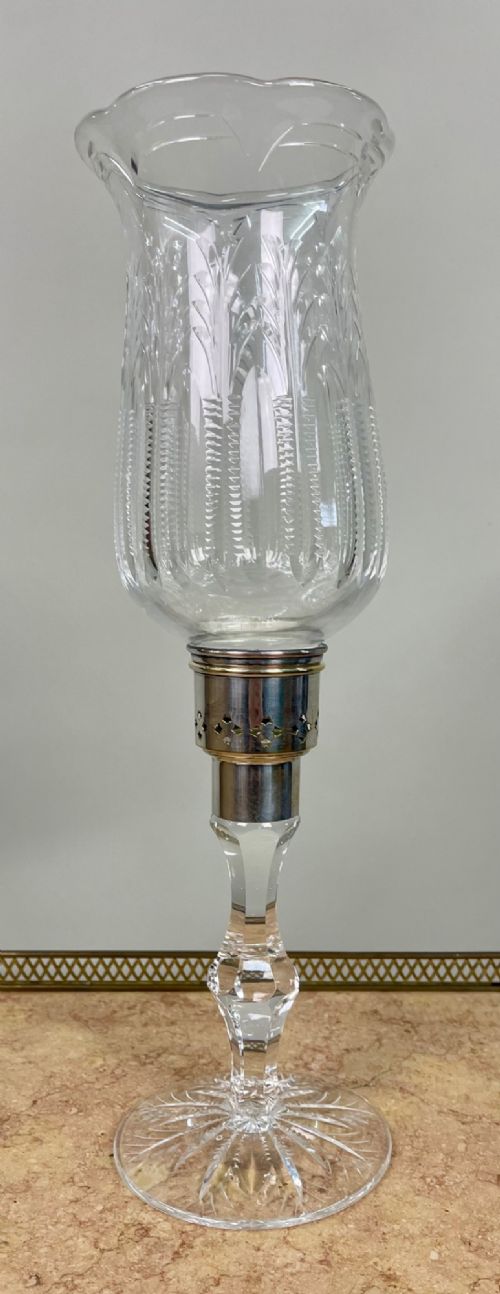
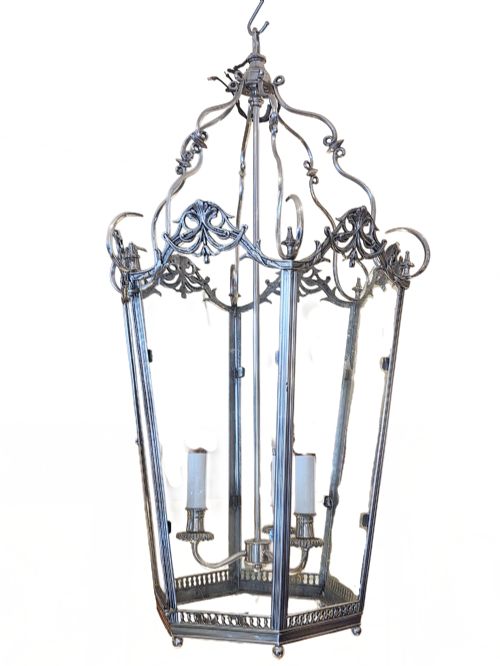
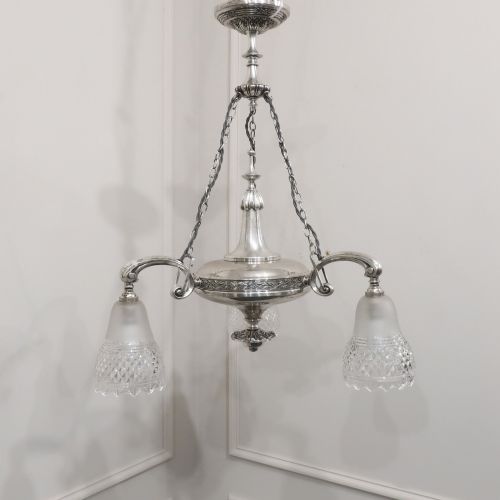
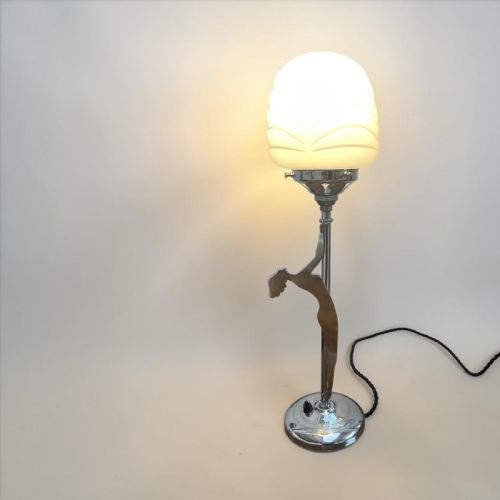
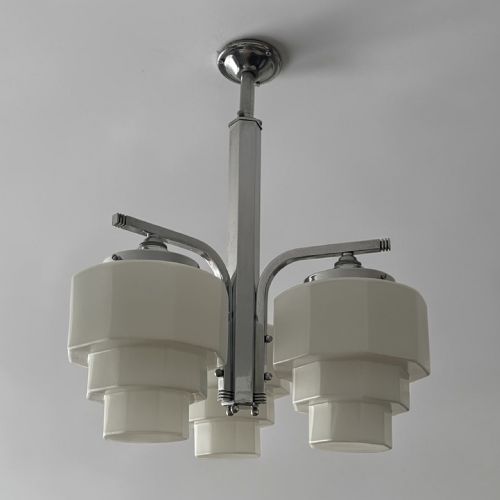
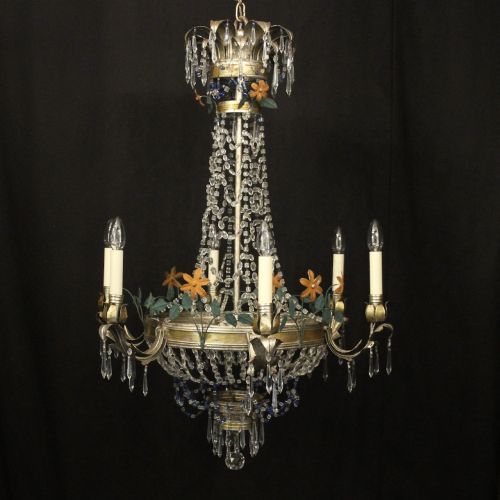
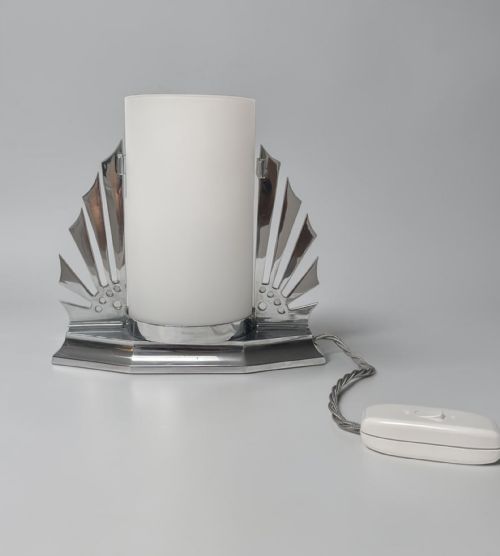
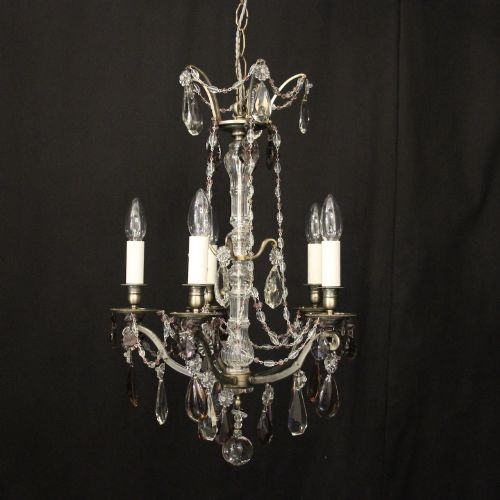
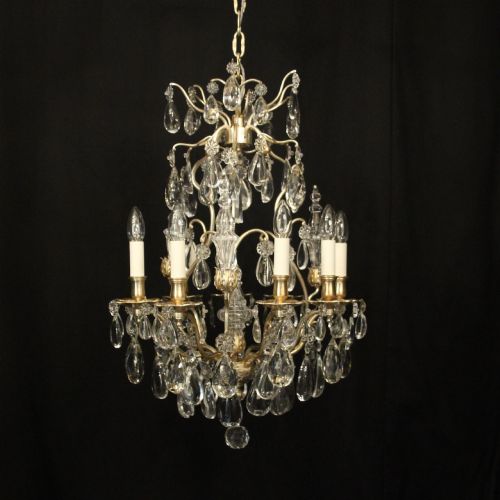
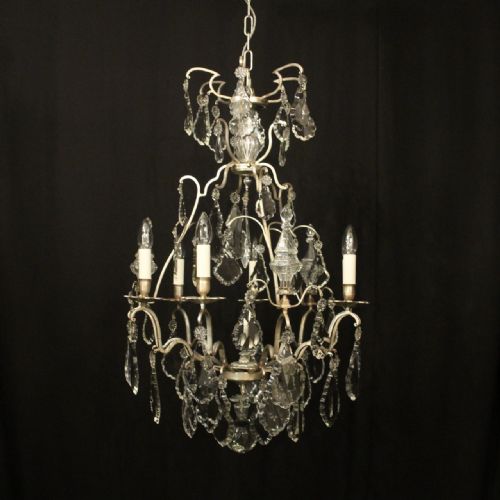
When buyers search for silver glass lighting, they encounter a range of fixtures spanning the Victorian, Edwardian, and Art Deco periods. These pieces include elaborate French silver-gilded chandeliers, chrome and glass wall sconces, and mercury mirrored glass pendants originating from British and European workshops.
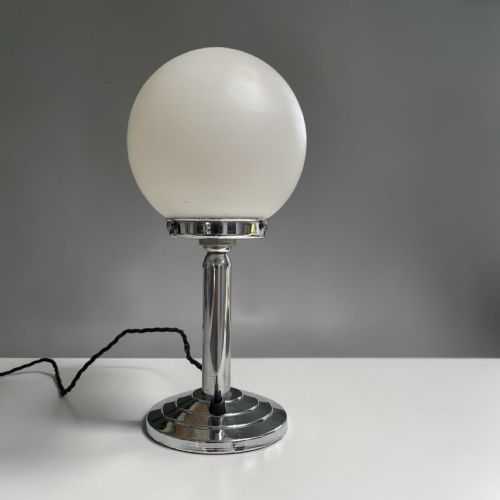
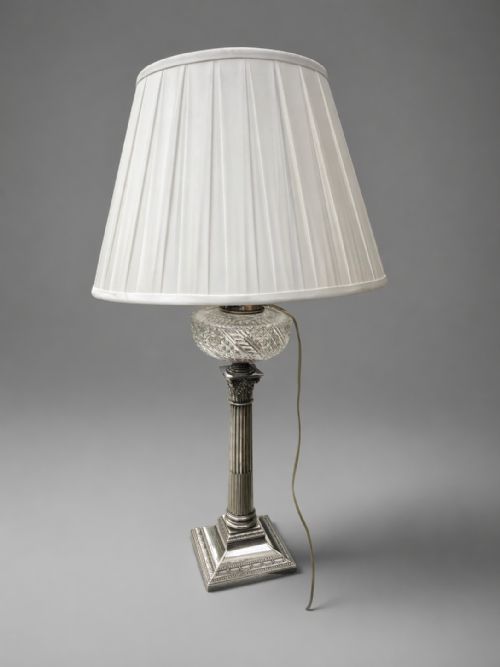
Table lamps and lanterns dominate the selections here, frequently combining silver-plated metalwork or chrome with cut, frosted, or hand-blown glass. The inventory draws heavily on early twentieth-century designs alongside nineteenth-century oil lamps converted for electricity.
French styles such as French Chateau and Rococo sit alongside streamlined Art Deco creations, offering diverse visual weights from ornate multi-arm chandeliers to geometric flush-mount ceiling lights.
Materials and construction techniques
Makers utilised a combination of base metals and reflective plating, pairing brass, steel, and bronze with silver plate, nickel, or chrome finishes. Crystal drops and cut glass shades were frequently integrated into frames using metal pins or screwed mounts.
Glass components vary from hand-blown bulls eye panes and satin glass to mirrored mercury glass and moulded Art Deco shades. Metalwork ranges from cast bronze and spun brass to heavy silver-plated brass columns and tubular chrome.
Silver Glass Lighting Retail Price Guide 2026
Typical asking prices for silver glass lighting among the pieces listed under this phrase on Sellingantiques today, from the lower quarter to the upper quarter. They describe what is for sale here now, not the wider market.
The listings encompass items spanning the 19th Century through the 1940s, featuring materials like chrome, crystal, frosted glass, and silver plate.
Assessing quality in period fixtures
Quality rests in the heaviness of the metal casting, the clarity and weight of the glass or crystal drops, and the integrity of the silver plating or gilding. Superior examples retain original matching components, crisp surface chasing, and substantial structural weight.
The sophistication of the design execution separates standard utility pieces from exceptional works, visible in the precision of Art Deco chrome framing or the depth of hand-chased detail on French silver-gilded bronze mounts.
Goldsmiths and Silversmiths Company·Émile-Jacques Ruhlmann·Muller Bros·F&C Osler·Farraday & Son
The Silver Glass Lighting Glossary
- Silver Gilded
- A decorative surface treatment where a thin layer of silver or silver leaf is applied over a base metal such as bronze, wood, or brass. This technique provides a bright reflective sheen characteristic of French chandeliers and decorative wall sconces.
- Mercury Glass
- Double-walled blown glass coated on the interior with a silver liquid solution, then sealed to create a highly reflective mirrored effect. Also known as silvered glass, it gained popularity in the nineteenth century for decorative table accessories and lighting.
- Chrome
- Electroplated chromium over a base metal, providing a hard, corrosion-resistant, bright finish that became defining for twentieth-century Art Deco lighting design. It offers a cooler, shinier appearance than nickel or silver plate.
- Peg Oil Lamp
- A specialised lamp featuring a glass or ceramic font with a tapered lower peg designed to drop directly into the socket of a candlestick or column base. These conversion pieces bridge the transition from nineteenth-century oil lighting to electrical fittings.
Silver Glass Lighting: Frequently Asked Questions
How do I date a silver glass chandelier?
Dating relies on examining the structural assembly, wiring channels, and stylistic motifs present in the metalwork and glass drops. Victorian and Edwardian fixtures often feature cast brass or silver-plated frames with hand-cut crystal, whereas 1930s pieces lean toward chrome and geometric forms.
Examining the screw threads, canopy design, and method of joining arms helps differentiate nineteenth-century examples from later twentieth-century revivals.
How do I care for silver plated lighting?
Silver-plated and silver-gilded surfaces require gentle dusting with a soft, dry cloth to prevent the accumulation of airborne grime. Avoid abrasive polishes that can wear away thin plating or damage delicate applied silver leaf.
Glass components can be cleaned gently with a mild glass cleaner applied to a cloth rather than sprayed directly onto the surrounding metal frame.
What is the difference between chrome and silver plate?
Chrome is an electroplated industrial finish providing a hard, mirror-like surface that resists tarnishing and suits Art Deco designs. Silver plate involves depositing a layer of actual silver over a base metal like brass or copper, developing a warm patina over time.
Silver plate requires occasional gentle maintenance to manage natural oxidation, whereas chrome maintains its original bright sheen with simple wiping.