


Silver Glass Charm
These pieces gather silver glass charm designs, combining reflective metal and coloured or cut glass in pendants, scent bottles, and tablewares that collectors prize.
Silver Glass Charm
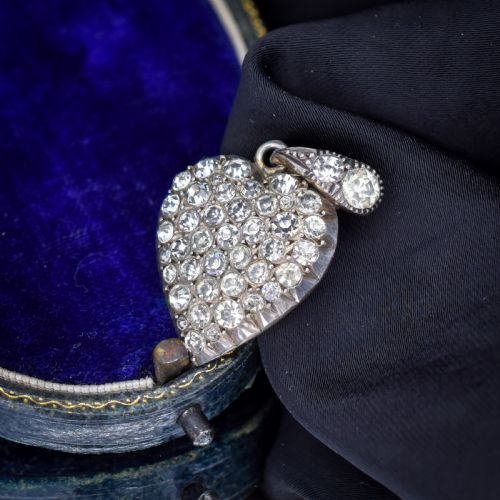
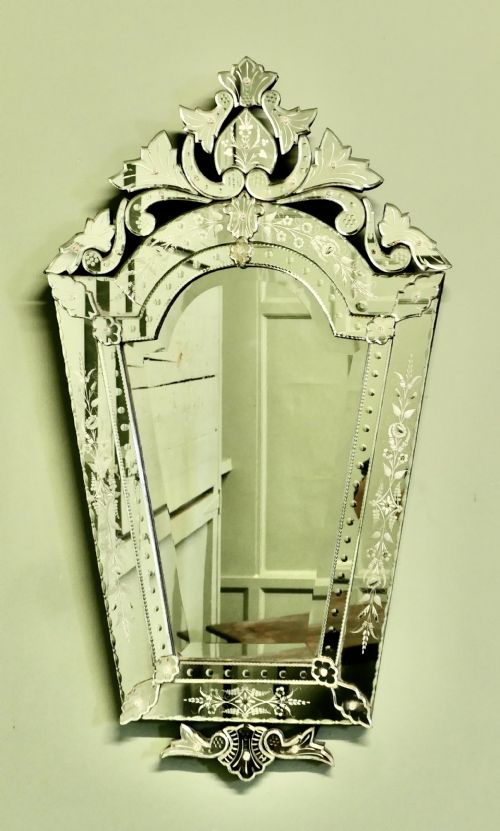
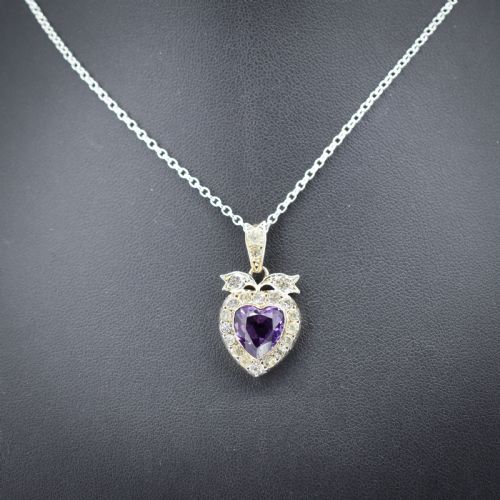
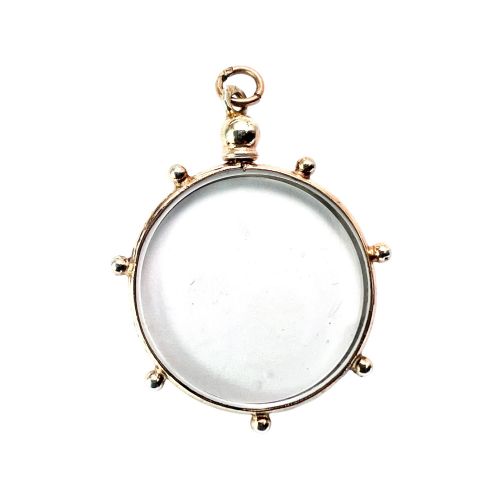
A silver glass charm brings together precious or plated metalwork with glass components, spanning personal adornment and decorative household vessels. The selection encompasses small wearable pieces like puffy heart pendants, lockets, and whistle charms alongside scent bottles, cruet sets, and mirrors.
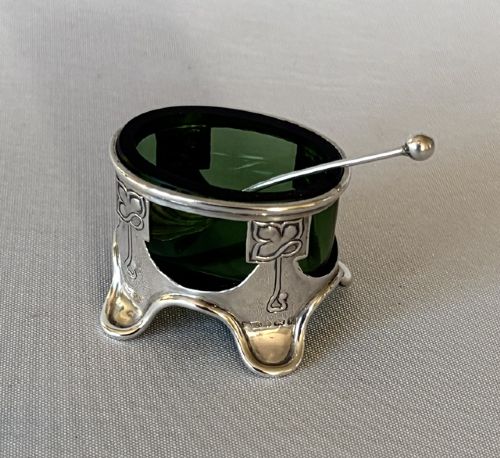
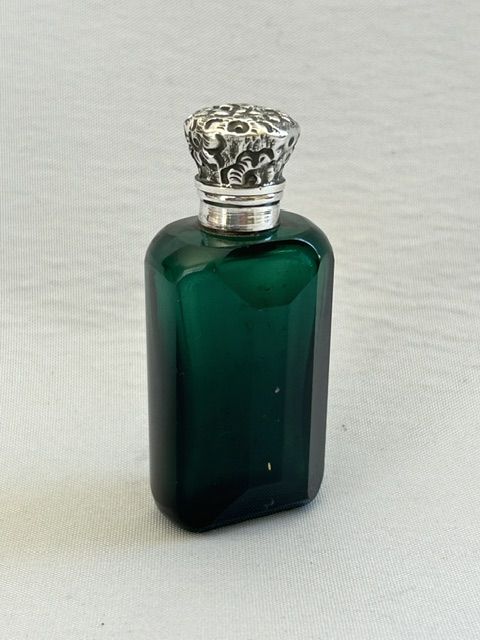
Victorian and Edwardian items dominate the selection, showing typical forms such as Bristol green, cranberry, amber, and uranium glass mounted in sterling silver or silver plate. Later twentieth-century pieces introduce Art Deco mirrors and floral intaglio pendants alongside Scottish Revival thistle motifs.
Materials and construction methods
Items rely on a combination of sterling silver, silver plate, or gold on silver paired with various glass formulations including paste glass, cut glass, silvered glass, and coloured glass vessels. Metal mounts, collars, and chains secure the glass bodies using specialised bezels, screw fittings, and hinged caps.
Glass techniques involve mould-blowing, cutting, and engraving, often finished with gilt highlights, enamel decoration, or silver mountings applied by silversmiths. Marcasite settings and old-cut paste stones appear alongside carved tortoise shell and wood elements in the structural assemblies.
Pigs must have needed plenty of luck, judging by the surviving antique glass lucky pig silver charm pendants.
Factors that distinguish individual pieces
Quality rests on the crispness of the silver work, the depth and clarity of the glass, and the integrity of the mountings. Pieces featuring named makers or distinct regional styles demonstrate superior craftsmanship in their detailed chasing, secure stone settings, and well-fitted bottle caps.
The preservation of original colour and surface texture in the glass, coupled with undented metal mounts, marks the better examples. Hand-cut facets, precise enamelling, and intact silver hallmarks elevate specific pendants, scent bottles, and condiment vessels above standard production.
George Henry James·Charles May
The Silver Glass Charm Glossary
- Paste glass
- A heavy, high-refractive-index glass cut and polished like a gemstone. It is frequently found in Victorian and Edwardian heart pendants.
- Silver plate
- A base metal foundation coated with a thin layer of silver. This technique appears on novelty cruets, sweetmeat baskets, and butter dishes.
- Moser glass
- Art glass produced by the Moser factory, celebrated for rich colours such as cranberry and green. It is often paired with ornate Victorian silver mounts.
- Intaglio
- A design carved into the surface of a gemstone or glass so that the impression sits below the plane. These appear in Art Deco teardrop pendants.
- Marcasite
- Small, faceted polished pyrite stones set into silver. They provide sparkling geometric borders on twentieth-century jewellery.
Silver Glass Charm: Frequently Asked Questions
What is a silver glass charm?
A silver glass charm describes wearable ornaments and small vessels that combine silver metalwork with glass elements. These range from small heart pendants and whistle charms to miniature scent bottles and desk accessories.
Items date predominantly from the Victorian, Edwardian, and Art Deco eras, showing diverse glass colours including cranberry, amber, and green paired with sterling silver or silver plate.
How do I date a silver glass scent bottle?
Dating relies heavily on silver hallmarks stamped onto the metal mounts, collars, or hinged caps. These marks reveal the assay office, standard of silver, and exact year of manufacture.
Stylistic cues such as glass colour, cutting patterns, and the shape of the silver collar also help place the piece within the Victorian or Edwardian periods.
How were antique scent bottles used?
Antique scent bottles held liquid perfumes, smelling salts, or vinegar to counter unpleasant odours or fainting spells in crowded rooms. Wealthy owners carried them in pockets or reticules, or displayed them on dressing tables.
The secure screw or hinged silver caps prevented evaporation and spillage of the precious contents inside the coloured glass bodies.
How should I clean silver and glass items?
Careful maintenance preserves both the glass body and the delicate silver mounts. Use a soft cloth on the metal, avoiding abrasive dips that might harm coloured glass or paste stones.
Keep moisture away from glued or mounted joins, and store items away from direct sunlight to protect the original glass hues.