

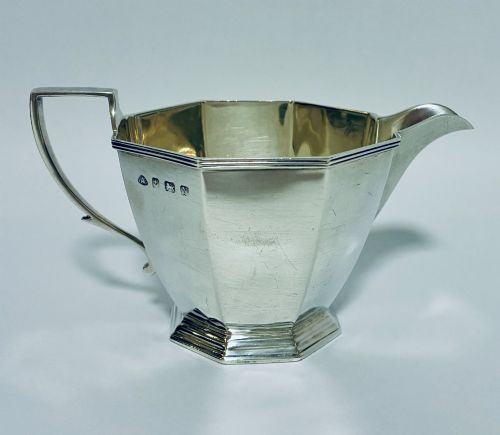
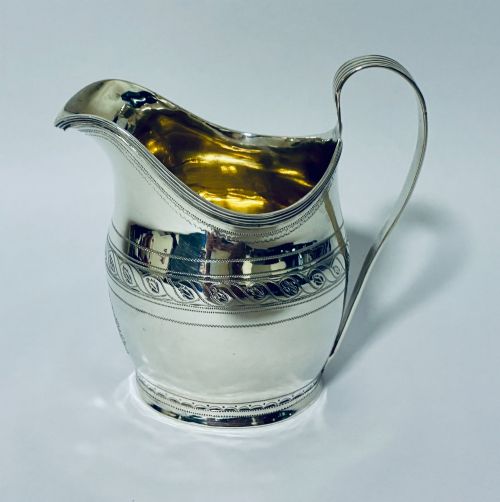


Silver Gilt Milk Jug
These silver gilt milk jug pieces bring bright gilt interiors and gleaming surfaces to the table, and collectors prize them for their rich Georgian and Victorian craftsmanship.
Silver Gilt Milk Jug
A silver gilt milk jug brings a touch of warmth to the tea service, pairing solid metal with a rich gold finish. When searching for a silver gilt milk jug, collectors encounter everything from small creamers to larger tableware sets.
Most examples appearing here belong to the Georgian and Victorian eras, often taking the form of cream jugs or milk jugs and creamers. These domestic items formed part of traditional teaware collections in period homes.
The selection ranges from early George III sterling silver to later Victorian and Edwardian iterations. Each piece reflects the evolving domestic habits and design tastes of the nineteenth and early twentieth centuries.
How they were made
Makers fashioned these vessels using sterling silver, Sheffield plate, and electroplated nickel silver as foundational metals. Workers then applied a gold gilt or gold wash to the interior surfaces, creating a striking contrast with the outer metal.
Some items feature embossed floral designs worked directly into the body of the metal. Silversmiths employed traditional hammering, plating, and casting techniques suited to the prevailing Georgian, Victorian, and Art Deco styles.
Silver Gilt Milk Jug Retail Price Guide 2026
Typical asking prices for silver gilt milk jug among the pieces listed under this phrase on Sellingantiques today, from the lower quarter to the upper quarter. They describe what is for sale here now, not the wider market.
Edinburgh silversmiths occasionally added hidden floral embossing inside sugar basins just to delight whoever poured the morning tea.
What varies in quality
Quality rests in the crispness of the chased or embossed ornament and the depth of the metalwork. Pieces showing sharp detail in their floral motifs and solid weight indicate superior manufacture.
The preservation of the gold wash or gilt interior distinguishes finer examples from heavily used domestic pieces. A well-maintained surface finish retains its warmth and lustre across the decades.
Charles Bendy
The Silver Gilt Milk Jug Glossary
- Gilt
- A thin layer of gold applied to the surface of another metal. This process protects the underlying silver and adds a warm interior glow.
- Sterling silver
- A silver alloy containing a high proportion of pure silver by weight. It serves as the primary material for many high-quality cream jugs.
- Sheffield plate
- An early form of plated metal made by fusing a thin sheet of silver to a copper base. It appears on certain nineteenth-century tableware items.
- Electroplated nickel silver
- A base metal alloy coated with a layer of silver using an electrical process. This technique became common for Victorian and later domestic wares.
Silver Gilt Milk Jug: Frequently Asked Questions
What is a silver gilt milk jug used for?
These vessels were designed to serve milk or cream during formal tea service. The gilt interior protected the silver from the acidic contents.
Over time, they transitioned from functional dining table accessories to decorative items prized by silver collectors.
How do I care for a gilt interior?
Cleaning requires mild soap and warm water applied with a soft cloth. Harsh silver dips will strip away the delicate gold wash.
Gentle handling ensures the historical gilt layer remains bright and intact for years to come.
Are these jugs made of solid silver?
The materials vary across the selection, including sterling silver, Sheffield plate, and electroplated nickel silver. Each type represents different manufacturing standards of its period.
Hallmarks and physical weight often help determine the exact metal composition of an individual piece.
How can I tell a Georgian jug from a Victorian one?
Georgian examples often display the restrained elegance and neoclassical forms characteristic of the late eighteenth and early nineteenth centuries. Victorian pieces frequently introduce heavier ornamentation and embossed floral work.
Examining the style, manufacturing technique, and any accompanying hallmarks helps clarify the date of production.