




Silver Gemstone Pin
A silver gemstone pin is a fastened metal ornament set with stones, offering wearable history from Georgian, Victorian, and later periods.
Silver Gemstone Pin
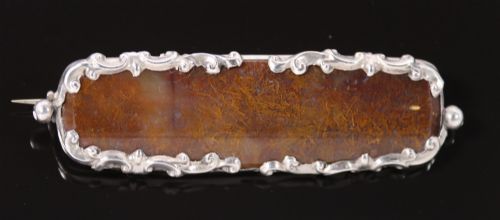
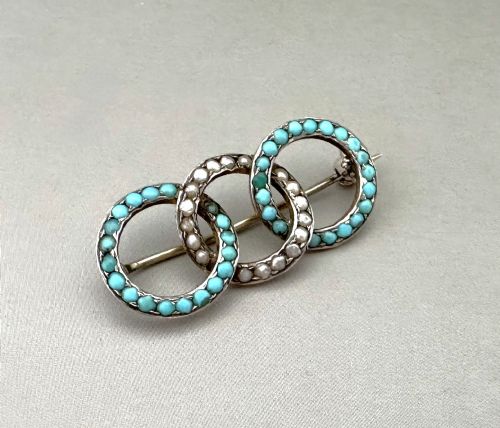
The selections range from early Georgian moss agate and rose diamond pieces to Victorian amethyst clusters and Edwardian moonstone designs. Mexican modernist works also appear alongside Austro Hungarian enamel and pearl examples.
Origins span English, French, and Mexican workshops, utilising styles from Renaissance Revival to mid century modernism. These jewels function primarily as wearable fastenings or decorative dress ornaments.
How they were made
Makers shaped silver, sometimes applying silver gilt or combining the metal with gold for structure and contrast. Stones such as amethyst, sapphire, ruby, emerald, turquoise, chalcedony, and moonstone are set directly into the metalwork alongside diamonds and pearls.
Construction techniques involve detailed foliate motifs, enamel work, and multi gem setting as seen in butterfly brooch pendants and insect bar brooches. Artisans balanced structural metal mounts with precise gemstone placement to create durable wearable ornaments.
Silver Gemstone Pin Retail Price Guide 2026
Typical asking prices for silver gemstone pin among the pieces listed under this phrase on Sellingantiques today, from the lower quarter to the upper quarter. They describe what is for sale here now, not the wider market.
Materials documented across the inventory include silver, silver gilt, gold, diamonds, amethysts, rubies, sapphires, emeralds, turquoise, pearls, moonstone, moss agate, and chalcedony.
What varies in quality
Distinctions in quality rest on the precision of the metalwork and the integration of the gemstones within the design. Finer examples display harmonious stone matching, such as balanced rose diamonds and matched rubies or amethysts.
The sophistication of the period style, from Renaissance Revival elements to detailed French silver and gold work, dictates the execution level. Original integrity and the crispness of chased or enameled surfaces separate standard pieces from superior examples.
The Silver Gemstone Pin Glossary
- Silver gilt
- Silver covered with a thin layer of gold. This technique provides the warm appearance of gold while utilising a silver base.
- Moss agate
- A form of chalcedony containing microscopic green minerals resembling moss. It is frequently cut en cabochon for Georgian and Victorian brooches.
- Bar brooch
- A narrow horizontal pin featuring central ornamentation. Insects, flowers, or gemstone clusters often decorate the middle section.
- Cabochon
- A gemstone shaped and polished with a smooth convex top rather than faceted edges. This cut highlights the natural qualities of stones like moonstone and chalcedony.
- Renaissance Revival
- A nineteenth century artistic movement drawing inspiration from sixteenth century design. Jewels in this style often incorporate enamel, pearls, and symmetrical gemstone arrangements.
Silver Gemstone Pin: Frequently Asked Questions
How do I date a silver gemstone pin?
Dating relies on stylistic clues, setting techniques, and material combinations typical of periods like the Georgian era or the Victorian age. Structural elements such as pin findings and backings also provide chronological indicators.
Examining the cut of the stones, such as rose cut diamonds or flat cut rubies, helps narrow the production window alongside any accompanying hallmarks or metal standards.
Were these pieces worn daily?
Many Victorian and Edwardian brooches served as functional fasteners for collars, cravats, and heavy fabrics during daily Victorian attire. They transitioned between daytime utility and evening decorative display.
Sturdier designs like insect bar brooches handled regular fastening duties, while delicate enamel and multi gem pendants were reserved for formal occasions.
How should I care for antique silver gemstone pins?
Maintenance requires gentle cleaning with soft cloths, avoiding harsh chemical dips that damage vulnerable stones like pearls, turquoise, or enamel. Proper storage prevents scratching between the silver mount and softer gems.
Checking the security of the pin stem and catch ensures the piece remains stable during wear, preserving the original mechanism where possible.
What is the difference between Georgian and Victorian pins?
Georgian pieces from around eighteen hundred frequently feature closed back settings where foil enhances gemstone colour under candlelight. Hand cut stones and heavy hand fabrication define this earlier output.
Victorian items often employ open back settings allowing light to pass directly through stones like amethyst and sapphire. Production became more varied following industrial advances while maintaining hand finished details.