




Silver Gemstone Pendant
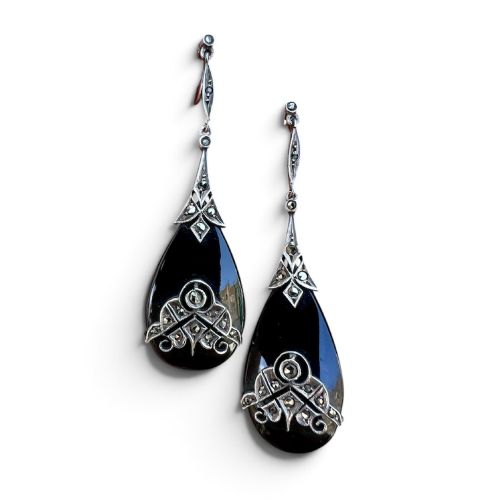
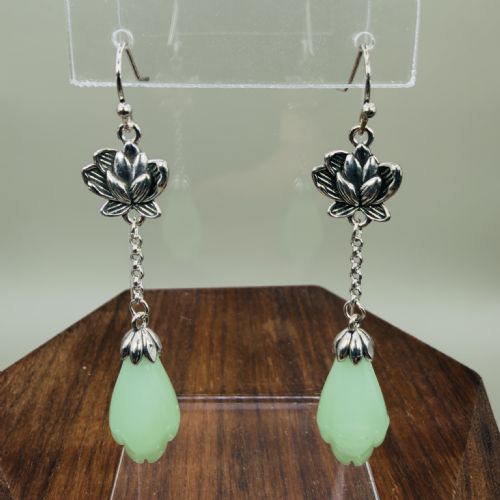
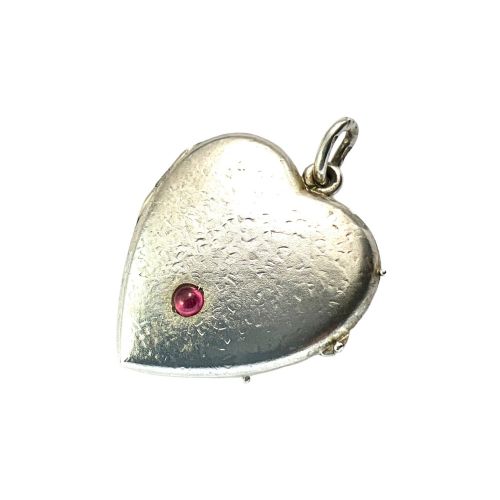
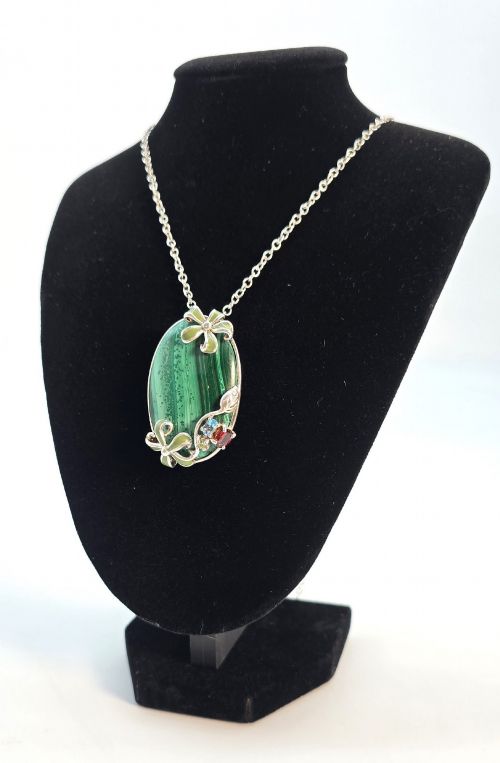
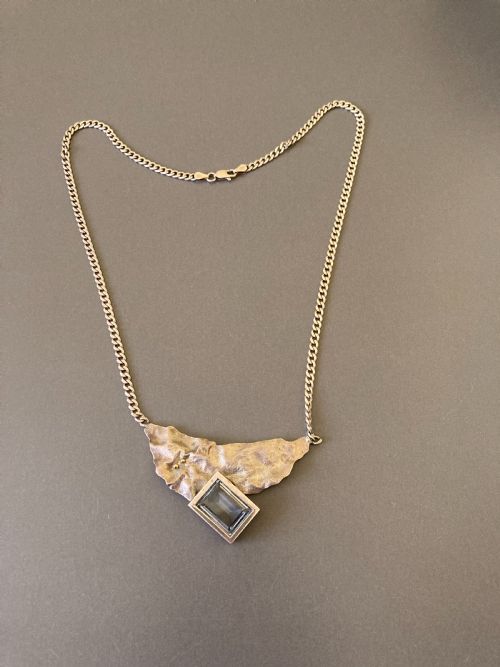
A silver gemstone pendant brings together precious and semi-precious stones set in silver, spanning periods from the Victorian era to the mid-century.
Silver Gemstone Pendant
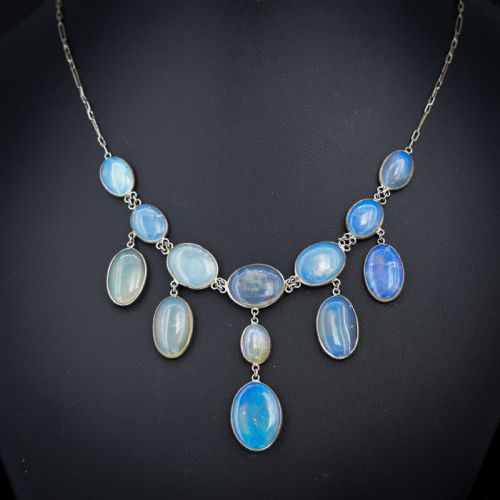
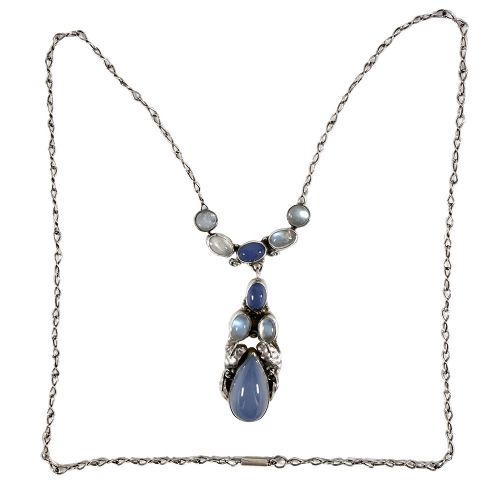
Buyers on this page commonly encounter Edwardian and Arts and Crafts examples, alongside Art Deco and mid-century designs. The forms include standalone pendants, lockets, and necklaces incorporating stones like amethyst, moonstone, and chalcedony.
The selection reflects diverse aesthetic movements, including Art Nouveau and Renaissance Revival styles. Pieces frequently integrate additional materials such as gold, enamel, and pearls alongside the primary silver and gemstone elements.
Materials and construction methods
Makers utilised sterling silver and silver gilt as the primary metallic base for setting stones. Enamel work, particularly plique-a-jour, often complemented the metalwork in Art Nouveau and mid-century pieces.
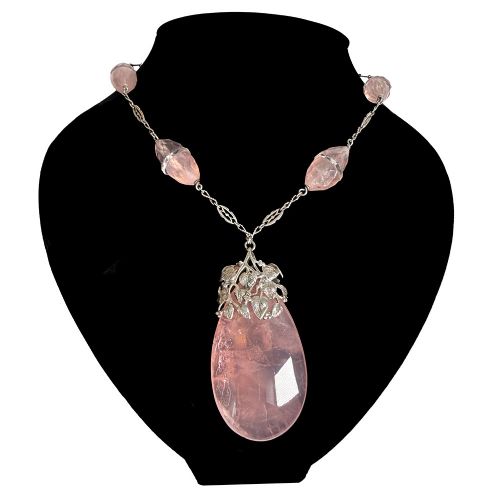
Stones such as amethyst, moonstone, opal, and turquoise were hand-cut and secured using traditional bezel settings and prong mounts. Arts and Crafts examples display prominent hand-beaten silver elements paired with rose quartz, rock crystal, and chrysoprase.
Complex constructions involve articulated links, drop fringes, and integrated gold highlights. Master workshops combined these diverse gemstones with pearls and paste stones using established silversmithing techniques.
The inventory spans the Victorian period through the 1960s, incorporating materials such as silver, gold, enamel, moonstone, and amethyst.
Distinctions in quality and execution
The precision of hand-wrought metalwork separates standard commercial items from exceptional studio pieces. Superior examples exhibit deliberate hammer marks, balanced proportions, and careful integration of stones within the silver frame.
The selection and cutting of the gemstones dictate the visual impact of the piece. High-end makers employed well-matched stones with strong colour saturation, clean transparency, and secure, flush settings.
Attribution to known designers or prominent retail houses elevates the standing of an item. Pieces bearing maker marks or documented workshop origins demonstrate superior design ambition and technical mastery.
Amy Sandheim·Mary Thew·Dorrie Nossiter·Liberty and Co·John Paul Cooper·Theodor Fahrner
The Silver Gemstone Pendant Glossary
- Festoon necklace
- A necklace featuring a curved drape of chains, beads, or drops suspended across the chest. This design became particularly popular during the Edwardian period.
- Plique-a-jour
- An enamelling technique resembling miniature stained glass, where enamel is fired in open metal cells without a backing. It allows light to pass directly through the translucent colour.
- Silver gilt
- Silver that has been coated with a thin layer of gold. This treatment provided the rich appearance of solid gold while utilising a silver base.
- Paste
- Hand-cut glass used to imitate gemstones in antique jewellery. High-quality historical paste was often foiled at the back to enhance reflection and colour.
Silver Gemstone Pendant: Frequently Asked Questions
How do I wear a silver gemstone pendant?
These pendants hang from chains or collars, making them suitable for everyday wear or evening display. Pairing them with period attire or modern necklines highlights their distinct drop forms.
Consider the weight and length of the necklace when selecting garments. Heavier Arts and Crafts pieces pair well with simpler necklines that allow the silverwork and stones to remain the focal point.
How do I identify an Arts and Crafts pendant?
Arts and Crafts pendants typically feature hand-wrought silver frames paired with cabochon-cut stones like moonstone, amethyst, and chalcedony. The design emphasises visible craftsmanship over machine precision.
Makers in this tradition often incorporated naturalistic motifs and distinctive granulation or wirework. Hallmarks or workshop signatures can sometimes be found on the reverse of the metalwork.
What is the difference between Victorian and Edwardian styles?
Victorian jewellery often displays heavier proportions, romantic symbolism, and deep gemstone colours such as rubies and garnets. Designs from this era frequently served dual purposes as both brooches and pendants.
Edwardian pieces shifted toward lighter, more delicate filigree work, platinum integration, and pastel stones like pearls and opals. The aesthetic favoured airy garland motifs and lace-like silver structures.
How should I care for antique silver and gemstones?
Store silver jewellery in a dry environment away from direct sunlight to prevent natural tarnishing and protect delicate stones. Avoid exposing softer gems like opals and pearls to harsh cleaning chemicals.
Gentle wiping with a soft, dry cloth is sufficient for routine maintenance of both the silver metal and the mounted stones. Professional cleaning should be reserved for structural repairs or heavily soiled pieces.