



Silver Gemstone Jewellery
Silver gemstone jewellery brings together precious stones and metal across periods from Georgian work to mid-century modern designs.
Silver Gemstone Jewellery
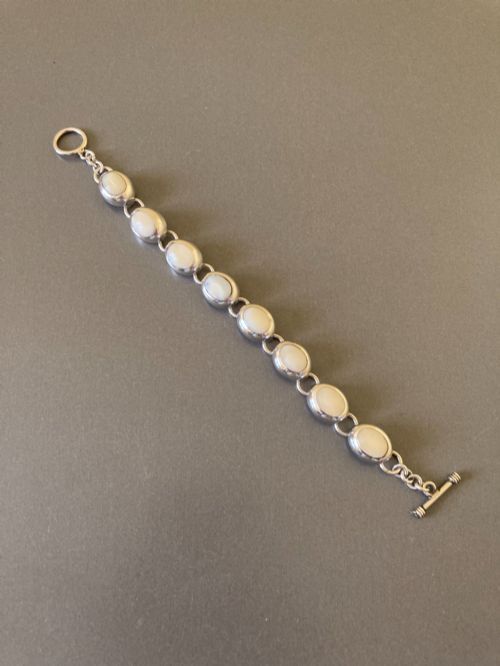
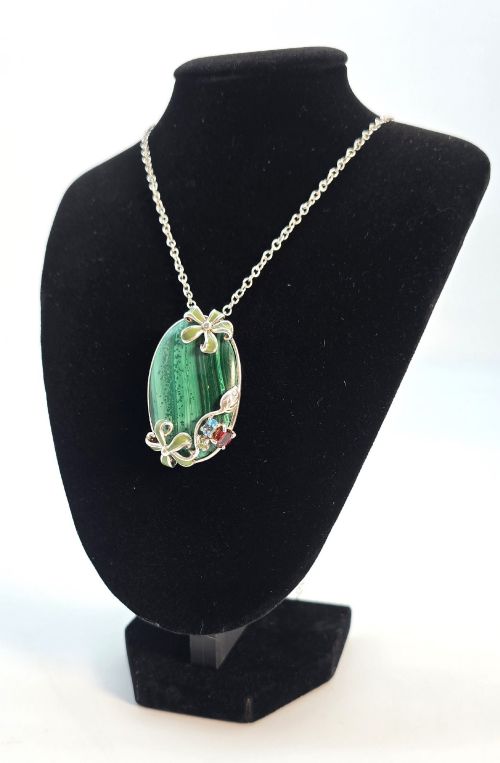
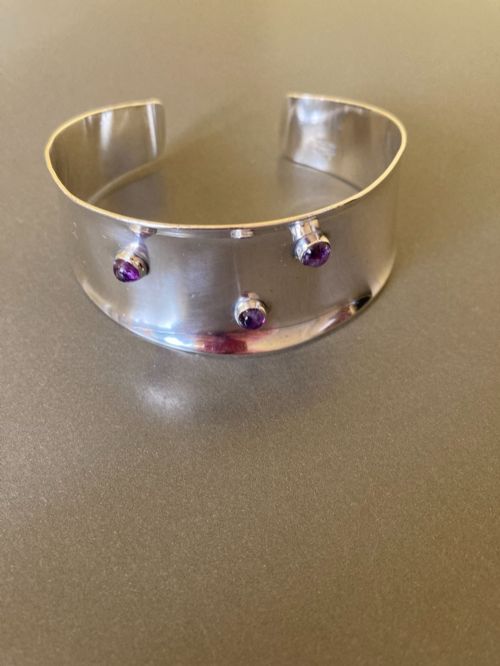
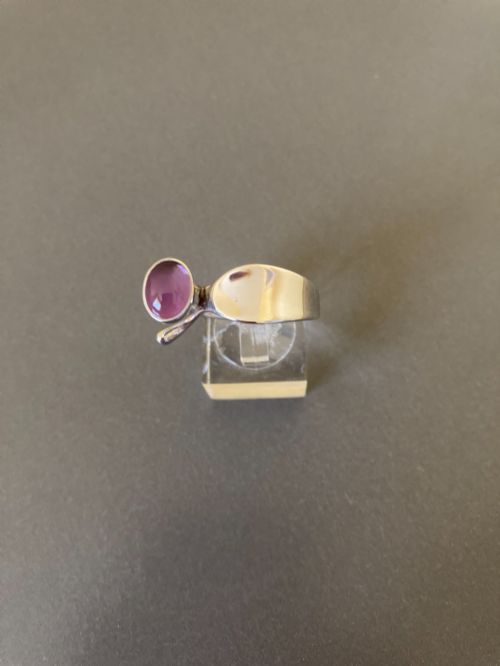
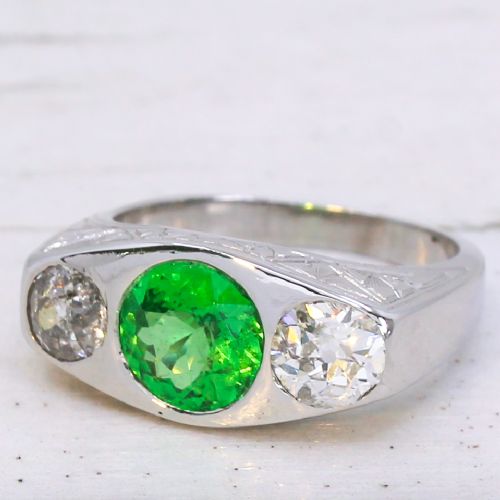
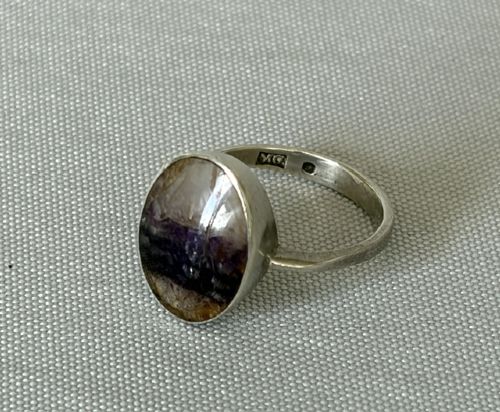
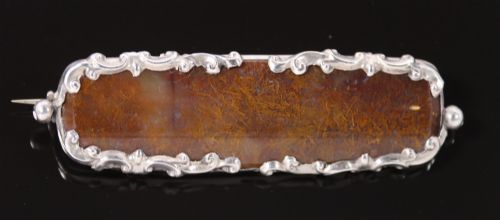
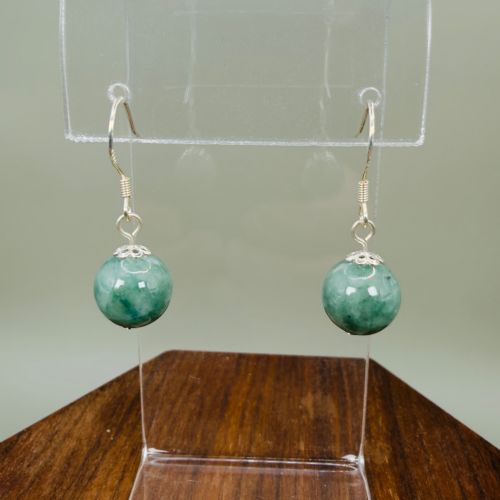
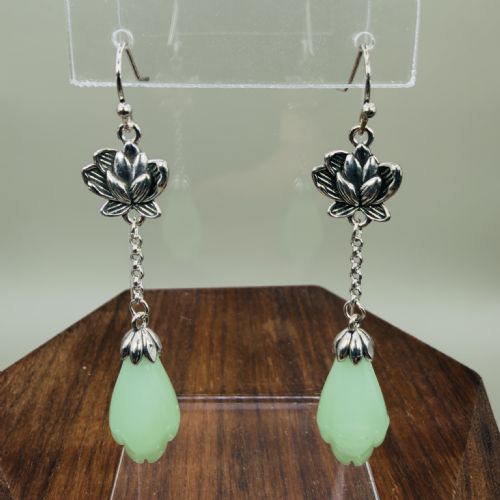
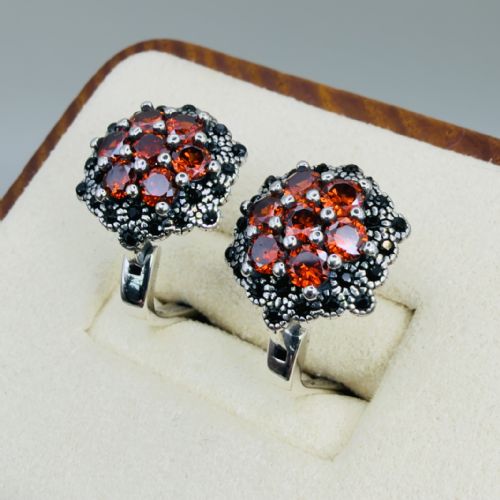
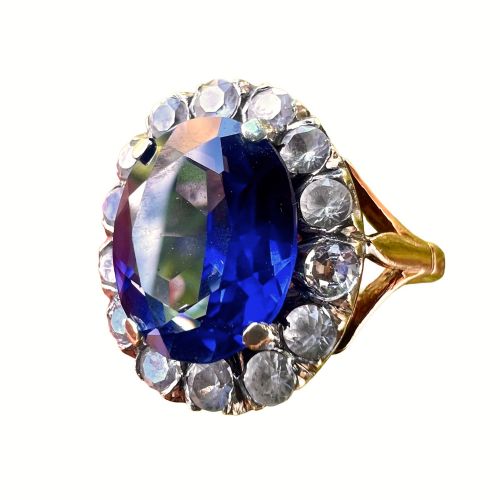
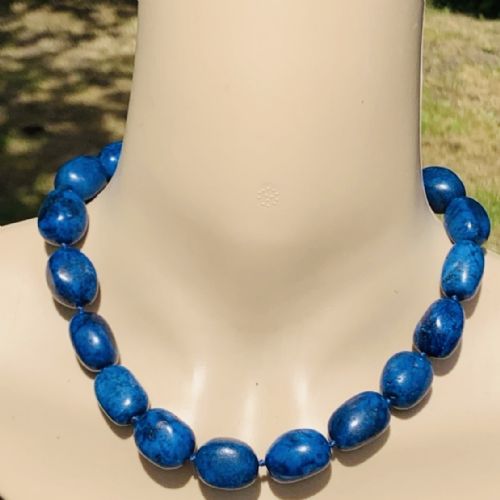
Silver gemstone jewellery spans centuries of personal adornment, taking forms such as rings, brooches, earrings, necklaces, and pendants. When exploring silver gemstone jewellery on this page, pieces appear from Georgian, Victorian, Edwardian, Art Deco, Arts and Crafts, and mid-century periods.
The selection includes items fashioned as fringe festoon necklaces, cluster rings, trinket boxes, and insect bar brooches. Makers and movements represented range from Liberty & Co and Amy Sandheim to mid-century modernist studio pieces.
How they were made
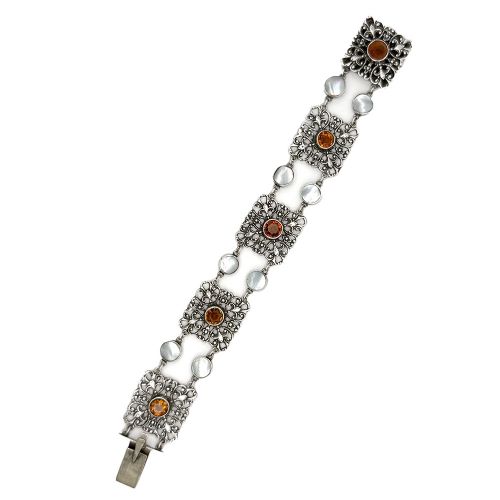
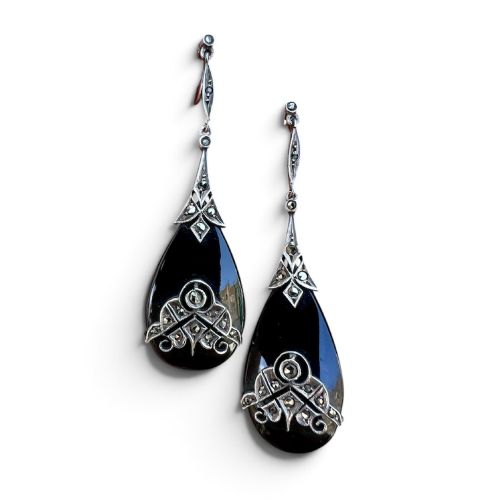
Makers set stones such as moonstone, amethyst, citrine, opal, and turquoise into silver, sterling silver, silver gilt, and occasional combinations involving gold and platinum. Techniques visible across the pieces include cabochon cutting, faceted gemstone settings, enamel work, and intricate wire or metal clasps.
Arts and Crafts examples display hand-wrought silver settings holding chalcedony, rock crystal, and chrysoprase, while Edwardian and Victorian items frequently employ diamond and pearl accents alongside coloured stones.
Silver Gemstone Jewellery Retail Price Guide 2026
Typical asking prices for silver gemstone jewellery among the pieces listed under this phrase on Sellingantiques today, from the lower quarter to the upper quarter. They describe what is for sale here now, not the wider market.
Design styles span Victorian, Edwardian, Art Deco, Arts and Crafts, and Mid-Century Modern aesthetics.
What varies in quality
Quality rests in the harmony between the metalwork and the chosen stone, seen in how cleanly silver wire supports a moonstone cabochon or frames an amethyst. Superior execution shows in the precision of the bezel or prong setting and the weight of the silver structure.
Artistic attribution also plays a role, with documented pieces by makers like Mary Thew or Dorrie Nossiter carrying distinct design integrity that elevates the work above standard commercial output.
Amy Sandheim·Mary Thew·Beto·Dorrie Nossiter·Liberty & Co
The Silver Gemstone Jewellery Glossary
- Cabochon
- A gemstone shaped and polished with a smooth, convex domed surface rather than faceted edges.
- Silver gilt
- Silver that has been coated with a thin layer of gold on its exterior surface.
- Festoon necklace
- A decorative chain or necklace featuring draped links, drops, or swags of gemstones.
- Marcasite
- Small, faceted pieces of iron pyrite set into silver jewellery to provide a glittering, diamond-like effect.
- Trinket box
- A small decorative container used for storing jewellery or small personal items.
Silver Gemstone Jewellery: Frequently Asked Questions
How do I date antique silver jewellery?
Dating relies on stylistic clues, mounting techniques, and the cut of the gemstones. Georgian and Victorian pieces often use closed-back settings or hand-forged findings, while Edwardian items favour lighter filigree and platinum-topped silver.
Assay marks and maker stamps, when present, provide more precise chronological markers. Comparing the overall design language to documented periods helps confirm the era of origin.
What is the difference between silver and sterling silver?
Pure silver is relatively soft and malleable, making it less practical for daily wear in jewellery. Sterling silver contains a mixture of silver and other metals, usually copper, to increase durability while maintaining colour.
Most antique and vintage pieces utilise sterling silver or continental silver standards. Hallmarks on the metal often indicate the specific purity standard used by the maker.
How should I care for antique gemstone jewellery?
Gentle maintenance preserves the integrity of both the metal and the stones. Soft cloths remove everyday oils, and ultrasonic cleaners should be avoided because certain gemstones like opal, pearl, and turquoise are sensitive to vibrations and moisture.
Storage in individual soft pouches prevents scratching between harder stones like diamonds and softer organic materials. Checking prong settings periodically ensures stones remain secure.
What defines Arts and Crafts jewellery?
Arts and Crafts pieces emphasise hand craftsmanship and the natural qualities of semi-precious stones over mass production. Settings often display visible hammer marks and distinct individual artistic expression.
Stones such as moonstone, chalcedony, and matrix opal are chosen for texture and colour rather than sheer monetary value. Pieces from this movement frequently bear the stamp of specific guilds or independent makers.