





Silver Fluted Dishes
Silver fluted dishes bring tactile elegance to a table, offering distinctive fluted rims and brilliant metallic surfaces that catch the light.
Silver Fluted Dishes
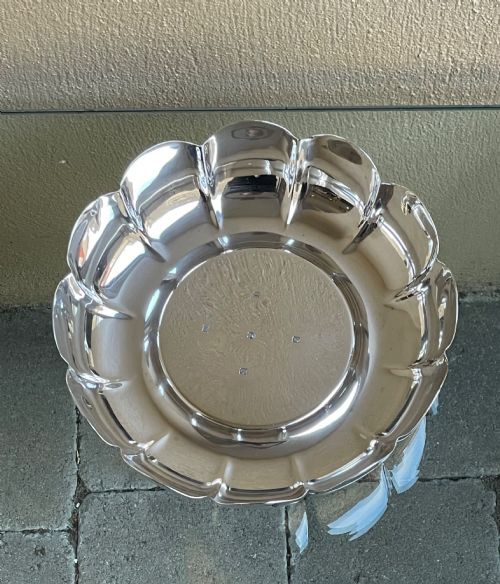
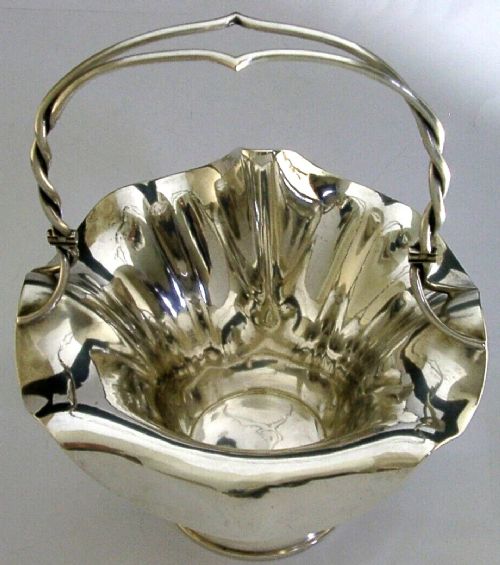
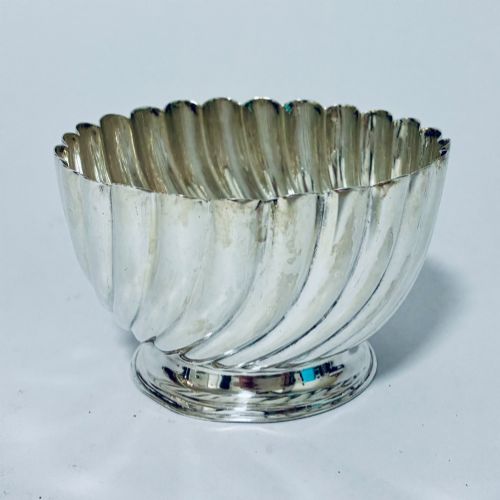
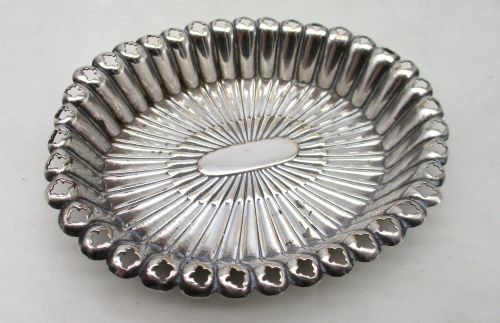
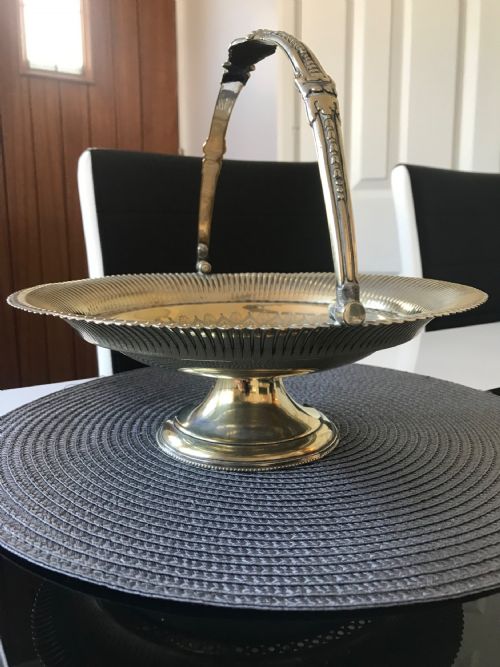
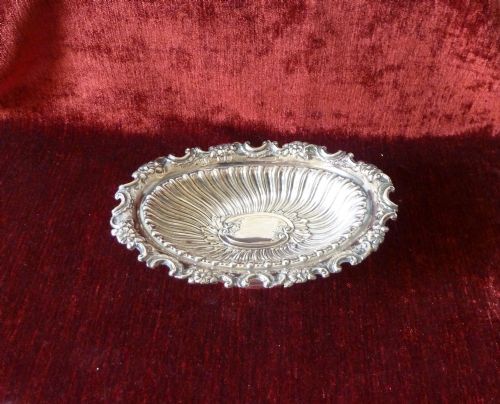
Silver fluted dishes span a wide range of domestic forms, appearing here as fruit baskets, bon bon dishes, strawberry dishes, and serving bowls. These pieces fulfil various roles on the dining table or sideboard, from holding small sweets to presenting fruit and morning dishes.
The objects originate across multiple periods, with examples ranging from mid eighteenth century Old Sheffield plate pin trays to Victorian, Art Nouveau, Art Deco, and mid twentieth century Irish solid silver pieces. Buyers frequently encounter silver plate, electroplated nickel silver, and sterling silver variations within this selection.
Design influences vary significantly across the inventory, encompassing Georgian simplicity, Victorian grandeur, organic Art Nouveau curves, and geometric Art Deco lines. Forms include handled baskets, open bowls, salts, and covered serving dishes equipped with revolving mechanisms.
How they were made
Makers shaped these items using sterling silver, solid silver, and copper bases fused with silver through Old Sheffield plating techniques, alongside later silver plate and electroplated nickel silver methods. Artisans hammered, spun, or cast the metal into specific vessel shapes before cutting or pressing decorative flutes into the body.
Surface ornamentation on these vessels often includes floral engraving, applied loop handles, and structured pierced or lobed borders. Finishing techniques ranged from hand polishing solid silver surfaces to preserving the subtle warmth of early fused plated copper.
Silver Fluted Dishes Retail Price Guide 2026
Typical asking prices for silver fluted dishes among the pieces listed under this phrase on Sellingantiques today, from the lower quarter to the upper quarter. They describe what is for sale here now, not the wider market.
The listings span multiple centuries, uniting Georgian and Victorian tableware with twentieth century Art Deco and mid century designs.
What varies in quality
Quality in these pieces rests upon the thickness and durability of the metal, the crispness of the fluted detailing, and the integrity of any applied or engraved decoration. Heavier solid silver examples and substantial Old Sheffield plates demonstrate a superior weight and resilience compared to thinner plated alternatives.
The distinction between standard commercial production and finer work lies in the hand finishing of details, such as deeply struck hallmarks, finely chased floral engraving, and well balanced handles or bases. Preservation of the original plating or silver surface without excessive wear or base metal exposure elevates the standing of an individual vessel.
Walker and Hall·Mappin and Webb·Christofle·Gallia
The Silver Fluted Dishes Glossary
- Old Sheffield Plate
- A composite material formed by fusing a thin sheet of silver to a thicker copper base, common in eighteenth century manufacture. This technique produces a characteristic warm metallic tone where the underlying copper occasionally shows through high points.
- EPNS
- Electroplated Nickel Silver, a base metal alloy coated with a layer of pure silver using an electrical process. This method became widespread during the nineteenth century as an economical alternative to solid silver.
- Strawberry Dish
- A shallow, heavily fluted or lobed serving bowl traditionally used for serving soft fruit with cream and sugar. These pieces typically feature decorative chased or engraved panels radiating from a central flat well.
- Bon Bon Dish
- A small decorative vessel designed for holding sweets, nuts, or small confectioneries. They often feature pierced or fluted rims supported on tiny feet or a pedestal base.
- Neoclassical
- A decorative style drawing inspiration from classical antiquity, characterised by symmetry, restrained ornamentation, and architectural motifs. Pieces from this tradition often display formal swags, urns, and geometric fluting.
Silver Fluted Dishes: Frequently Asked Questions
What are silver fluted dishes used for?
These versatile vessels served numerous domestic functions, from presenting fruit and bon bons to holding individual table salts or serving breakfast dishes. Their raised fluted rims helped contain loose items while adding a decorative focal point to the table.
Today, collectors utilise them for similar display purposes or as functional serving pieces during formal meals. They adapt easily to modern interiors as trinket holders or decorative centrepieces.
How do I care for silver plated dishes?
Maintain the surface by washing the pieces in warm soapy water with a soft cloth, avoiding abrasive pads that can strip thin silver layers. Dry them immediately to prevent water spots from forming on the metal.
Apply a specialist silver polish sparingly only when necessary, working gently around engraved or fluted crevices. Proper storage in dry, tarnish resistant cloths helps preserve the finish between uses.
What is the difference between solid silver and silver plate?
Solid silver, including sterling standards, consists of precious metal throughout the entire structure of the vessel. These items carry official hallmarks indicating the purity and origin of the metal.
Silver plate involves a base metal, such as copper or nickel silver, coated with a thin layer of pure silver. Over time, heavy use can wear the plating down to reveal the darker base metal underneath.
How can I tell the age of a silver dish?
Dating relies primarily on official hallmarks stamped into solid silver pieces, which indicate the assay office and year of manufacture. Stylistic clues such as Victorian floral engraving or Art Deco geometry also point toward specific decades.
Construction methods further help narrow the period, particularly the presence of fused copper edges found in eighteenth century Old Sheffield plate. Comparing the form and weight against documented historical examples provides a clearer timeline.