

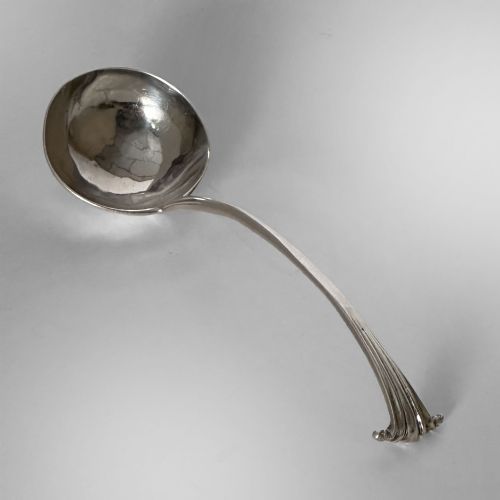
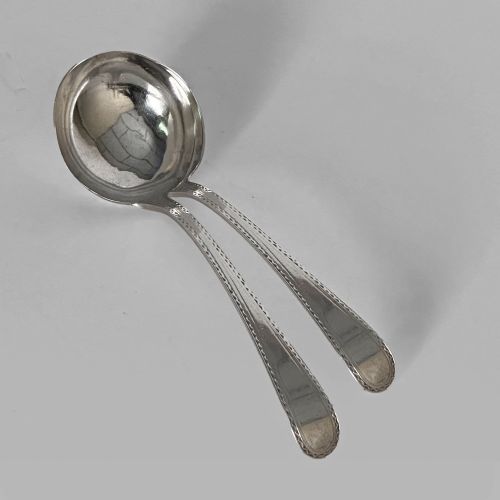
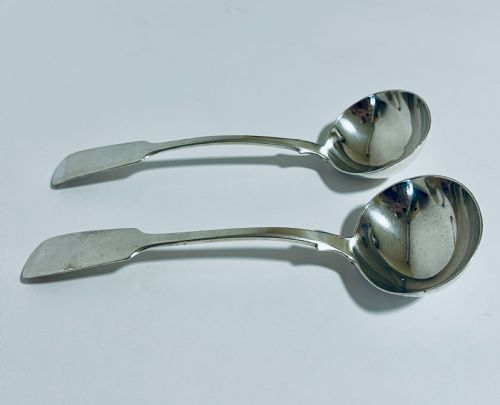

Silver Flatware Ladle
A silver flatware ladle handles everything from clear soup to thick cream with historic grace.
Silver Flatware Ladle
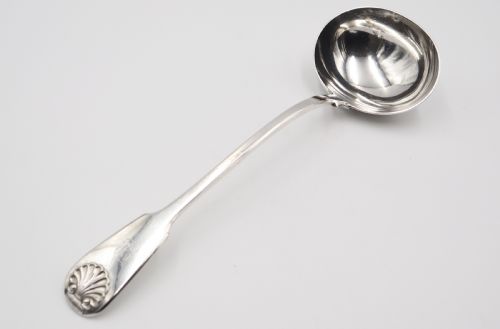
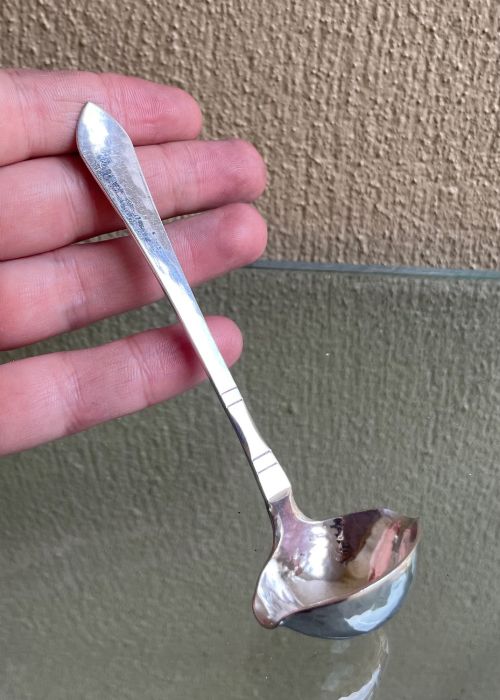
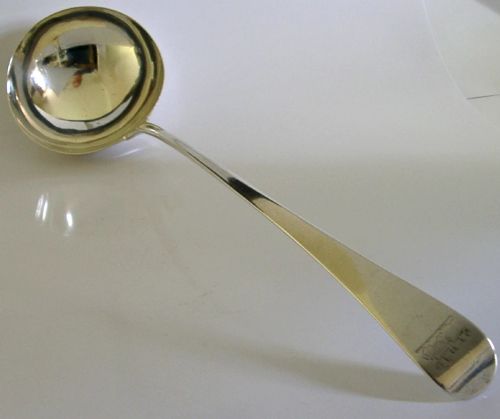
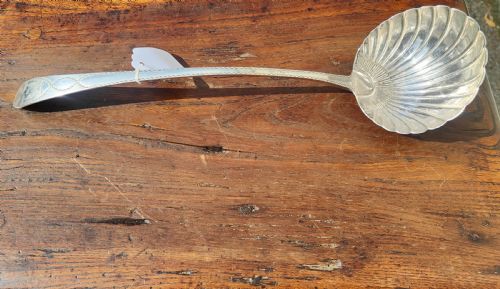
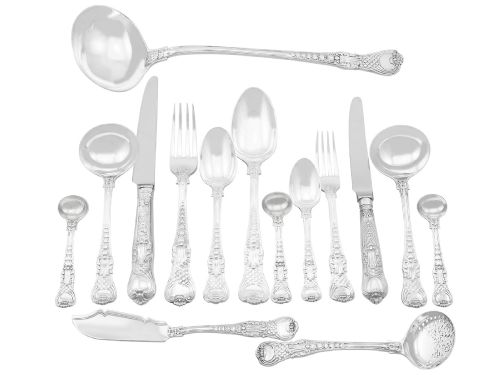
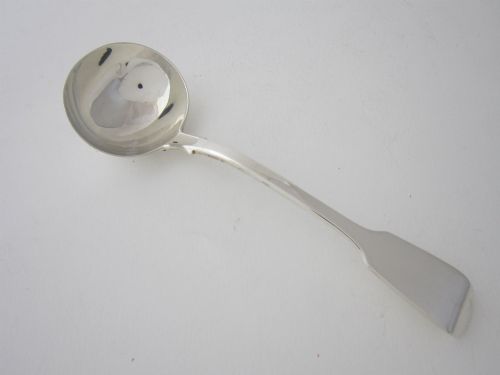
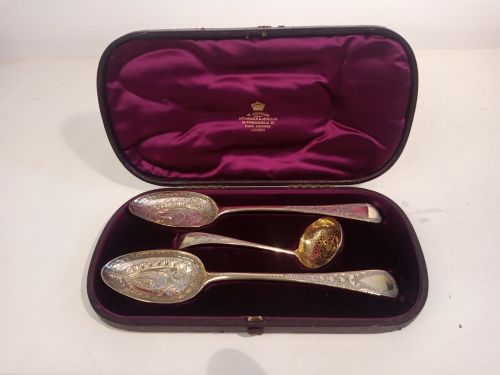
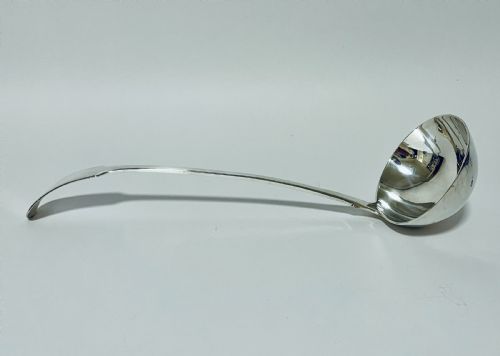
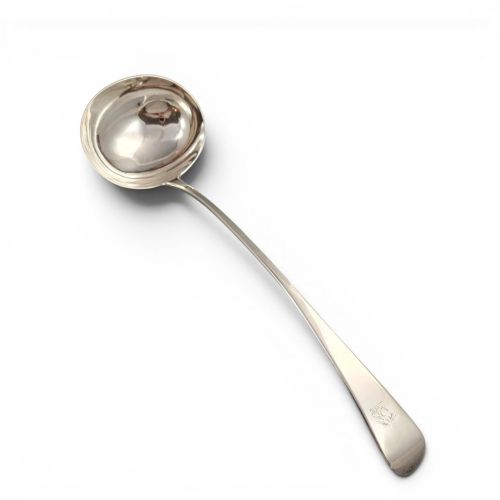
When you search for a silver flatware ladle, you encounter implements designed for serving soup, sauce, cream, gravy, and sugar across several centuries of dining. These utensils range from large soup ladles down to small condiment ladles and sugar sifter spoons.
Georgian and Victorian examples appear frequently on this page, alongside pieces from the 18th century, the 1900s, 1920, 1880, and 1930. Makers from London, Dublin, Glasgow, Exeter, York, and Edinburgh forged these items in styles such as Old English, Fiddle, Queen's, Colonial Revival, Danish Modern, Swedish Art Nouveau, and Arts & Crafts.
The assortment includes solid silver and sterling silver items, alongside silver-gilt pieces. You will find individual serving spoons, pairs of ladles, and complete canteens of cutlery housing these practical dining tools.
Materials and construction
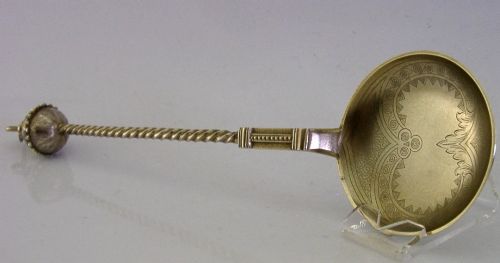
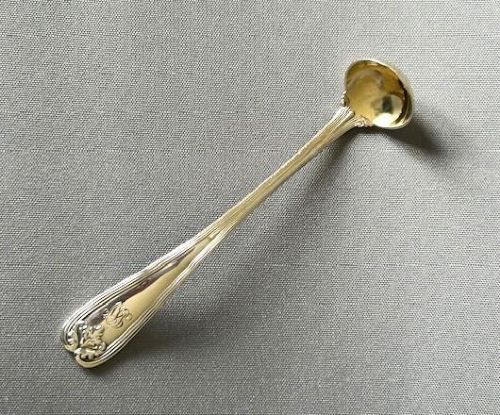
Silversmiths constructed these ladles primarily from sterling silver and solid silver, hammering and shaping the metal into bowls and handles. Certain pieces received a layer of gold wash, known as silver-gilt, which protected the silver from harsh food acids.
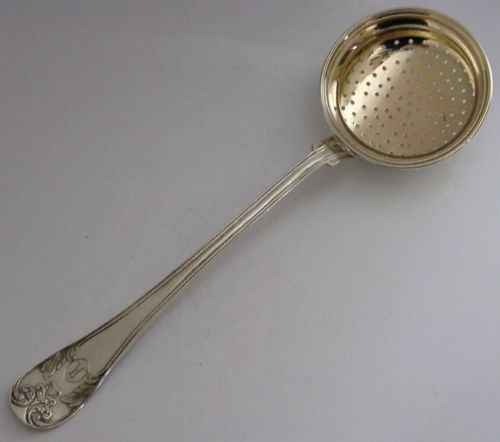
Craftsmen applied traditional patterns such as Fiddle, Old English, and Queen's, or worked in distinct regional styles like Scottish provincial, Danish Modern, and Arts & Crafts. Engraved crests, threaded borders, and piercing work on strainers and sifters demonstrate the detailed manual labour involved in their creation.
Silver Flatware Ladle Retail Price Guide 2026
Typical asking prices for silver flatware ladle among the pieces listed under this phrase on Sellingantiques today, from the lower quarter to the upper quarter. They describe what is for sale here now, not the wider market.
Some antique sugar sifters doubled as tea caddy spoons, proving that Georgian hosts were remarkably resourceful with their silver cutlery drawers.
Assessing quality in silver ladles
Quality rests upon the weight of the silver and the crispness of the original maker's mark and town marks. Heavier gauge metal resists bending at the neck where the bowl joins the handle, ensuring structural integrity during use.
Artistic execution also separates standard utility pieces from exceptional ones, seen in the depth of engraving, the symmetry of pierced bowl designs, and the preservation of original heraldic crests.
Hester Bateman·Georg Jensen·Tiffany·Michael Smith·Mary Chawner
The Silver Flatware Ladle Glossary
- Sterling silver
- A silver alloy containing 92.5 percent pure silver and 7.5 percent other metals, usually copper, chosen for durability in tableware.
- Silver-gilt
- Solid silver that has been plated with a thin layer of gold on the surface, often seen on the bowls of sugar sifters and baptism spoons.
- Fiddle pattern
- A popular 19th-century flatware handle design featuring a narrow stem that widens sharply near the terminal in a shape resembling a fiddle.
- Old English pattern
- A classic tapered flatware handle design with a downward-turned end, common on Georgian silver.
- Sugar sifter
- A ladle with a pierced bowl designed for sprinkling loose sugar over food or drink while retaining larger lumps.
Silver Flatware Ladle: Frequently Asked Questions
How do I clean a silver ladle?
Wash the silver gently in warm soapy water using a soft cloth, avoiding harsh abrasive dips that strip historic patination. Dry it immediately with a lint-free cloth to prevent water spots.
Store the ladle in a dry environment away from rubber and direct sunlight to slow down the natural tarnishing process of the silver.
What is a silver-gilt ladle?
A silver-gilt ladle is a solid silver piece coated with a micro-thin layer of real gold through a process called gilding. This gold wash provided a warm yellow tone and protected the silver from corrosive foods.
These pieces frequently appear in sugar sifters and serving spoons where acidic or sweet contents might otherwise tarnish plain silver rapidly.
How do I date an antique ladle?
British silver bears hallmarks stamped directly into the metal, including a standard mark, a town mark, and a date letter that corresponds to the active year of the assay office. Matching these marks against historical registers reveals the exact year of manufacture.
Stylistic indicators, such as the shape of the bowl and handle patterns like Fiddle or Old English, help narrow down the period when official marks are worn or absent.