




Silver Display Dishes
Silver display dishes bring gravitas to a room, offering centuries of craftsmanship in metal, pewter, and gilt.
Silver Display Dishes
Silver display dishes encompass a broad selection of historic metalware designed for presentation rather than daily dining, spanning chargers, platters, and decorative bowls. When searching for silver display dishes, buyers encounter grand 17th-century pewter chargers alongside ornate Victorian bonbon dishes and mid-century Irish pieces.
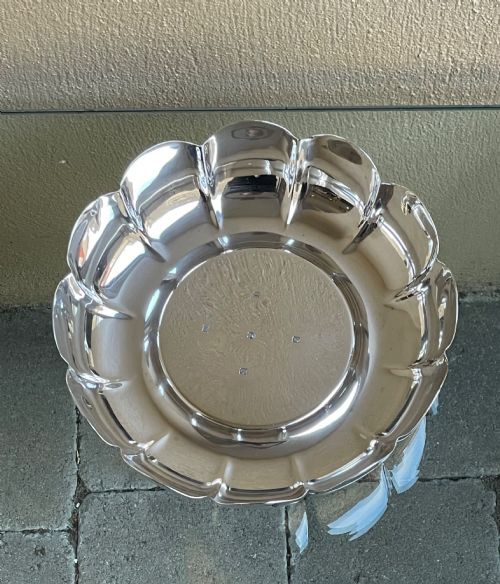
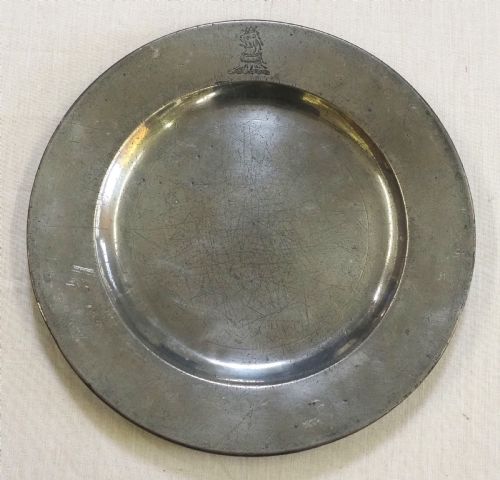
The objects on this page range from plain-rim English pewter plates by makers such as James Spackman to heavily silver-plated bronze tazzas and large silver gilt sideboard dishes. Styles stretch from William and Mary and English Restoration to Louis XVI and Edwardian Rococo Revival.
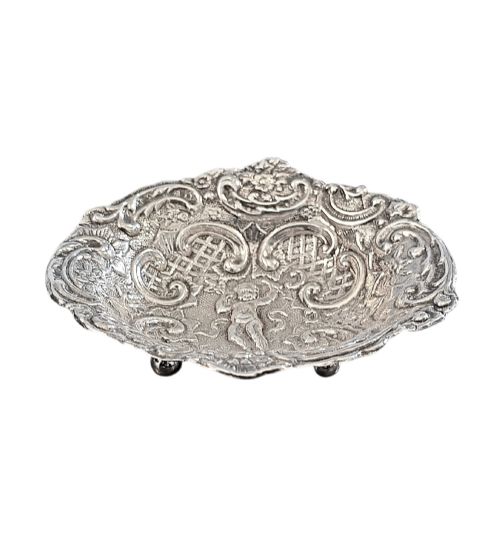
Form follows function across varied centuries, with large chargers measuring up to twenty-two inches sitting alongside delicate bonbon dishes featuring cherub motifs. Buyers find both domestic English metalwork and European commemorative plates among the selection.
Materials and Techniques
Pewter pieces rely on traditional casting and hammering techniques, demonstrated by hammered all-over William and Mary chargers with triple reeded rims. Makers shaped these domestic metals into plain rim plates and wavy edge designs using durable alloys.
Silver work utilises solid sterling silver, silver plate over bronze or base metals, and silver gilt applications to create rich surface textures. Elaborate items incorporate figural battle scenes, floral motifs, and cast cherub details soldered or applied to the primary vessel.
Silver Display Dishes Retail Price Guide 2026
Typical asking prices for silver display dishes among the pieces listed under this phrase on Sellingantiques today, from the lower quarter to the upper quarter. They describe what is for sale here now, not the wider market.
Common forms include chargers, tazzas, bonbon dishes, and commemorative plates with plain, wavy, or triple reeded rims.
Judging Quality
Quality rests upon the crispness of the chased or cast detail, whether in the depth of a figural battle scene on a gilt charger or the clean lines of a lion crest. Superior examples retain their original surface texture and maker touches without excessive wear from historic cleaning.
Substance and scale dictate distinction, separating heavy, well-balanced chargers from lighter domestic wares. The integrity of the plating on bronze or base metals and the preservation of hand-hammered surfaces heavily influence the standing of each piece.
James Spackman·Thomas Templeman·Thomas Powell·S Duncomb·William Aitken
The Silver Display Dishes Glossary
- Charger
- A large ornamental or service plate, typically exceeding eighteen inches in diameter. These substantial metal plates were designed for display on sideboards or walls.
- Bonbon dish
- A small, decorative pedestal or footed bowl intended for holding sweets or confectionary. They frequently feature pierced metalwork or cast figural motifs like cherubs.
- Silver gilt
- Silver that has been coated with a thin layer of gold on its surface. This technique provides the rich warmth of gold whilst utilising a silver base.
- Tazza
- An elevated shallow bowl or cup resting on a foot or pedestal. These decorative items function primarily for display and formal presentation.
- Pewter
- A malleable metal alloy consisting primarily of tin, combined with copper and lead. Historic examples display varying patinas depending on their tin content and age.
Silver Display Dishes: Frequently Asked Questions
How were large chargers used?
Large chargers served as grand sideboard ornaments or wall decorations in historic homes, demonstrating the wealth and status of the household. Their generous size allowed intricate crests and battle scenes to be displayed.
In earlier centuries, similar plates occasionally functioned during major feasts, but surviving examples with detailed hammering or crests were primarily kept for display.
How do I clean pewter?
Historic pewter requires gentle cleaning with warm soapy water and a soft cloth to preserve its aged surface and patina. Harsh metal polishes strip away centuries of character and can damage softer alloys.
Dry the metal thoroughly after washing to prevent spotting, avoiding abrasive pads that leave permanent scratches across the rim.
What is the difference between pewter and silver plate?
Pewter is a solid tin-based alloy with a warm, dark grey appearance that develops a soft patina over time. It relies on its own material substance rather than an external coating.
Silver plate consists of a thin layer of silver bonded to a base metal such as copper, brass, or bronze, offering a bright reflective finish similar to solid sterling silver.