



Silver Dining Table Card Clip
A silver dining table card clip brings a touch of Edwardian elegance and character to the dining room.
Silver Dining Table Card Clip
A silver dining table card clip serves as a practical yet decorative accessory for holding menus and place cards during formal meals. Most examples encountered on this page date from the Edwardian period, capturing the ornate tastes of the early twentieth century.
The selections include menu holders, place card holders, and broader tableware accessories manufactured in sterling silver. Makers designed these pieces in both simple forms and imaginative novelty shapes to entertain dinner guests.
How They Were Made
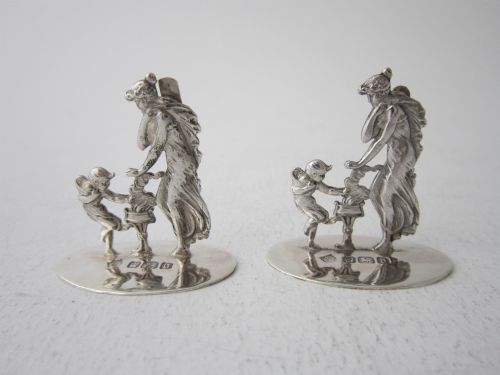
Silversmiths constructed these table clips predominantly using sterling silver, frequently employing casting and detailed embossing techniques to shape figures and animals. Some pieces incorporate materials such as enamel, velvet, silk, and leather to add texture and contrasting colour to the design.
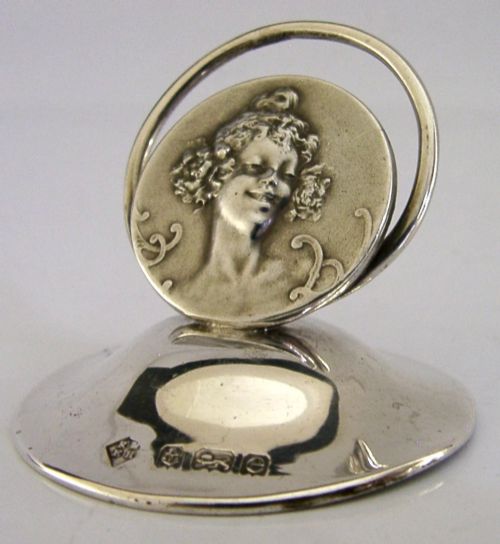
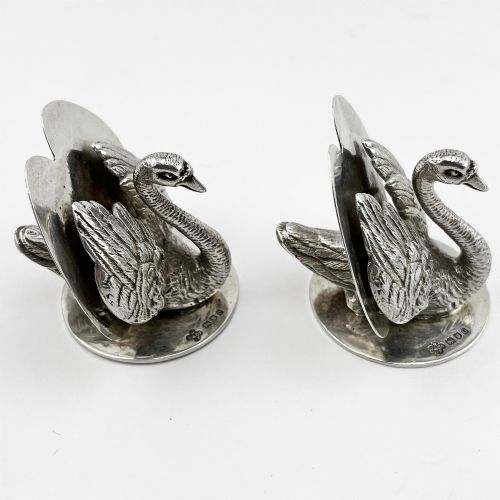
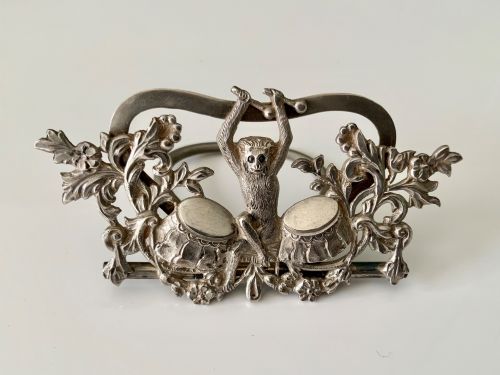
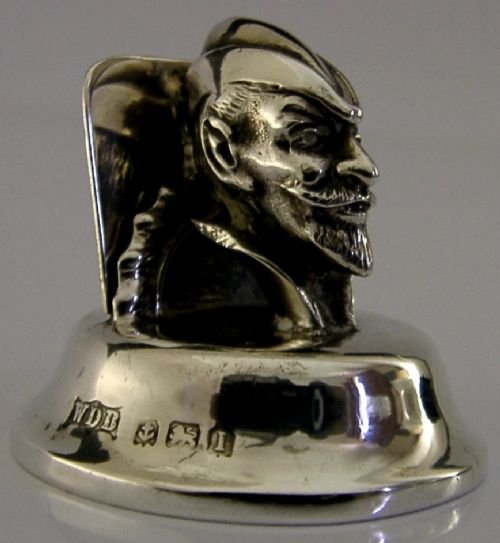
Novelty pieces required careful hand-finishing to capture specific subjects like owls, swans, and monkeys playing drums. Hallmarks stamped directly onto the silver record the assay office, such as Chester and Birmingham, alongside the year of creation.
Silver Dining Table Card Clip Retail Price Guide 2026
Typical asking prices for silver dining table card clip among the pieces listed under this phrase on Sellingantiques today, from the lower quarter to the upper quarter. They describe what is for sale here now, not the wider market.
A monkey playing drums sits proudly among the silver menagerie, ready to liven up the most formal dinner party.
What Varies in Quality
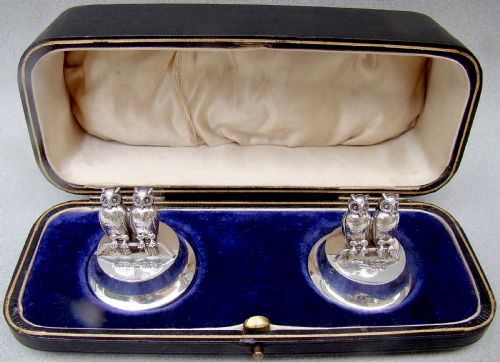
The presence of a matching set or a fitted presentation box elevates the desirability of the silver pieces. Maker marks from established firms like Levi & Salamon add a layer of distinction to the provenance of the tableware.
Levi & Salaman
The Silver Dining Table Card Clip Glossary
- Sterling silver
- A silver alloy containing 92.5 percent pure silver by mass and 7.5 percent other metals, usually copper. This standard composition provides the durability required for functional tableware.
- Assay office
- An official body that tests the purity of precious metals and stamps items with hallmarks. Offices in cities such as Birmingham and Chester stamped these silver accessories.
- Novelty
- An object shaped to resemble an animal, person, or familiar item rather than a standard geometric form. These playful designs were especially popular for dinner table accessories during the Edwardian era.
- Menu holder
- A small upright stand designed to display the evening meal selection on the dining table. They often match smaller place card holders used for seating arrangements.
Silver Dining Table Card Clip: Frequently Asked Questions
What is a silver dining table card clip used for?
These pieces hold paper menus or guest name cards upright on the dining table during formal meals. They keep essential information visible to diners while adding a decorative element to the table setting.
Historically, hosts utilised them for multi-course dinners to inform guests of the upcoming dishes and their assigned seating positions. Today, they remain collectable tableware accessories.
How do I date these silver holders?
Dating relies on the hallmarks stamped directly into the silver by official assay offices. These marks typically include a date letter corresponding to a specific year of manufacture.
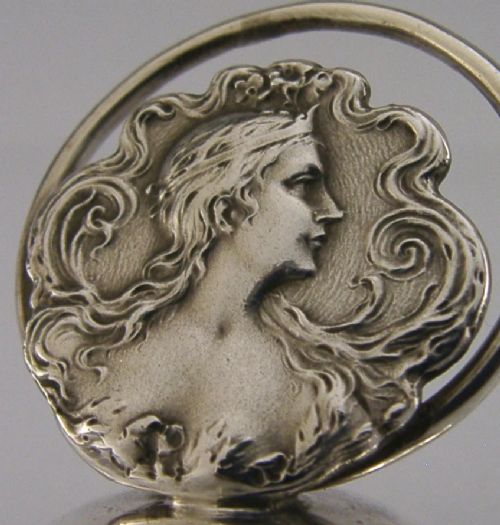
Stylistic indicators, such as the flowing lines of Art Nouveau designs or the distinctive motifs of the Edwardian era, also help narrow down the period of production.
Are these pieces usually found as pairs or sets?
Many of these table accessories survive as pairs, which was a common format for balancing the decor at either end of a dining table. Larger sets of four also appear, particularly in specific novelty themes or enamelled designs.
Single pieces do occur, but matched pairs and boxed sets are frequently sought after by collectors.
What are novelty menu holders?
Novelty menu holders are shaped into recognisable figures, animals, or characters rather than standard architectural or geometric forms. Examples include owls, swans, monkeys playing drums, and literary figures.
Silversmiths created these imaginative designs to spark conversation among guests seated around the dining table.