





Silver Dial Wooden Clock
A silver dial wooden clock brings together warm timber and metallic contrast, offering a dependable timepiece that anchors a room with quiet presence.
Silver Dial Wooden Clock
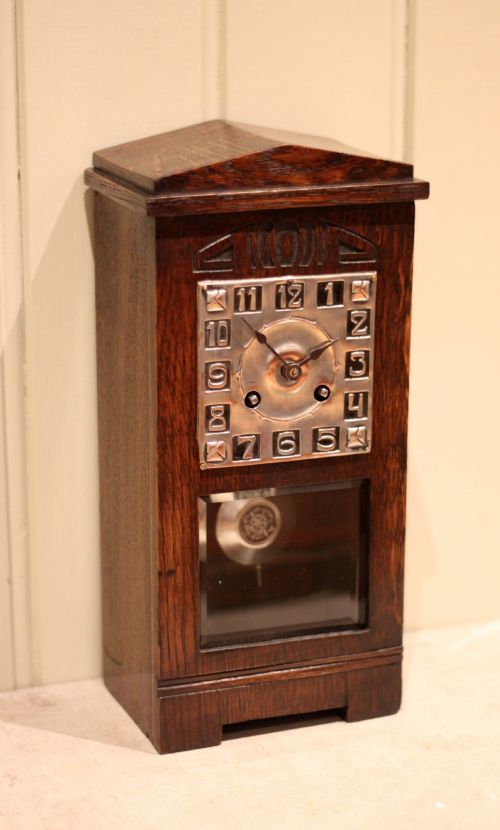
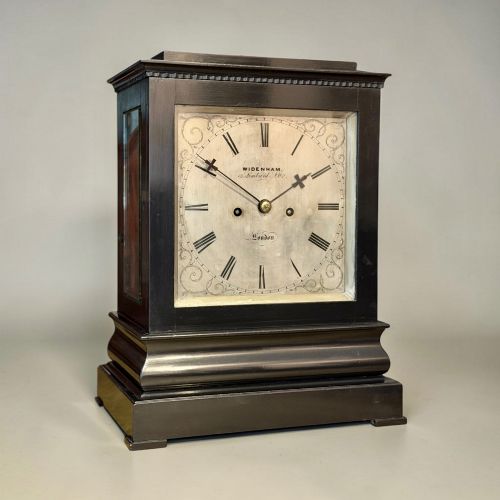
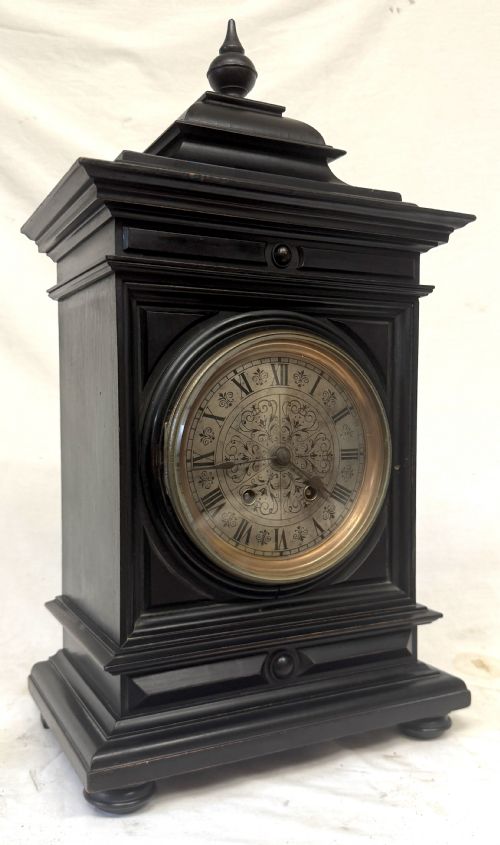
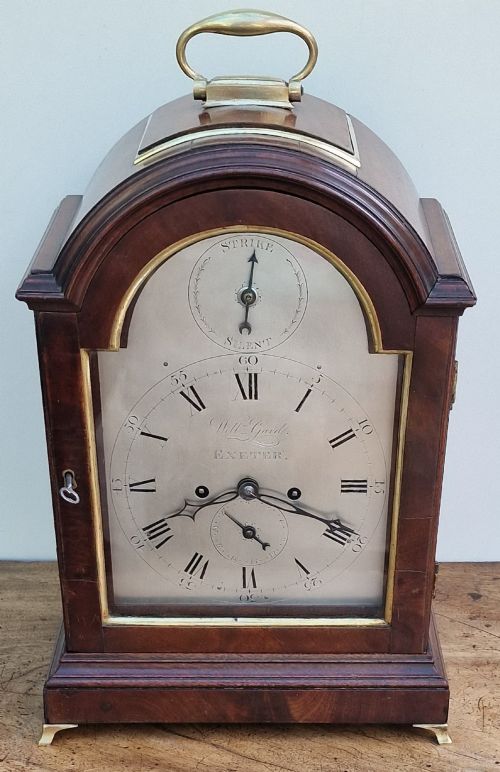
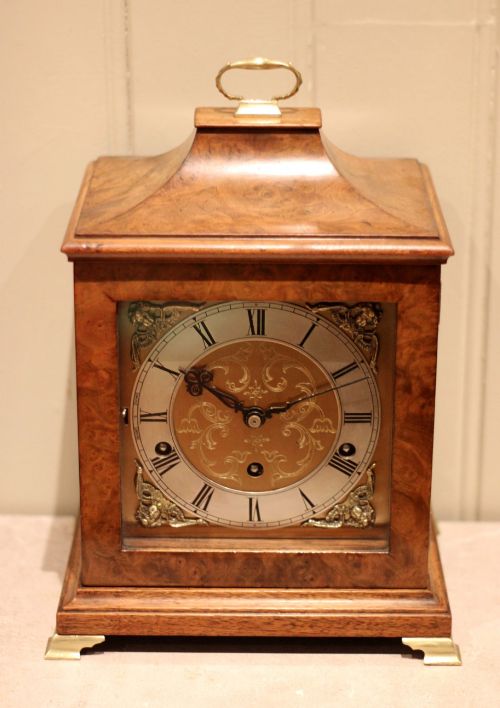
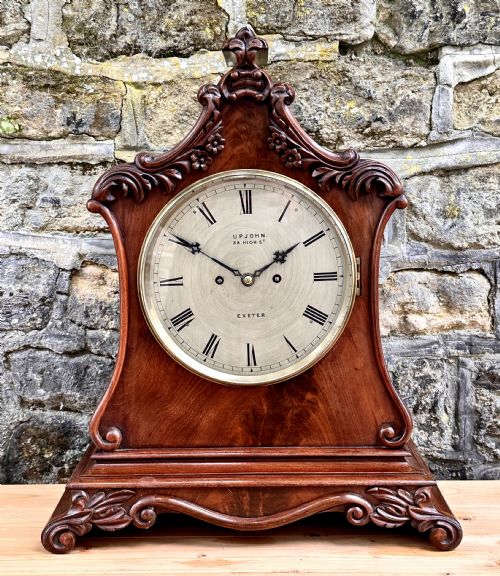
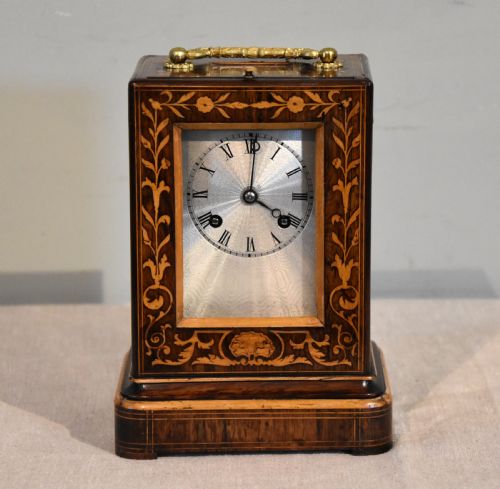
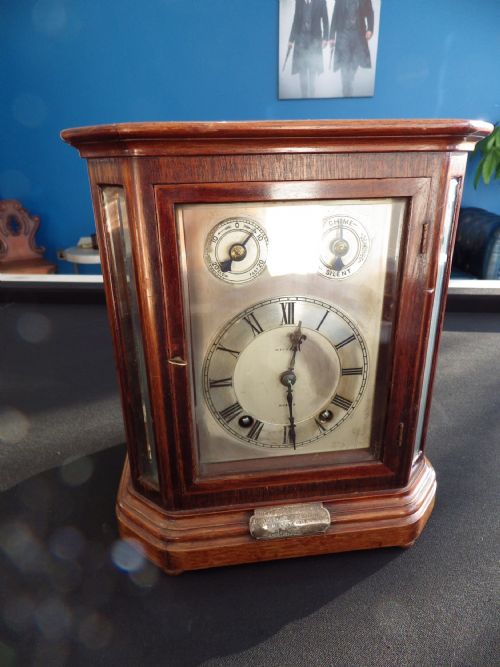
A silver dial wooden clock appears in forms ranging from compact mantel and bracket designs to towering longcase pieces. Buyers searching for a silver dial wooden clock encounter varying proportions, from miniature library clocks to large boardroom examples.
The material palette of a silver dial wooden clock relies heavily on rich timbers such as mahogany, oak, walnut, and rosewood. These woods support diverse styles spanning the Georgian, Victorian, and Edwardian periods.
Examples on this page span several centuries, highlighting both British and continental workshops. A silver dial wooden clock thus reflects shifting domestic tastes in interior timekeeping across multiple eras.
Materials and Construction
Cases utilise solid and veneered hardwoods including mahogany, oak, walnut, and ebonised wood, sometimes accented with brass mounts and glass panels. Dials are formed from silvered metal, providing a distinct metallic face against the wooden housing.
Internal movements depend on precision brass gear trains, with fusee and pendulum mechanisms driving the timekeeping. Makers housed these complex mechanical assemblies within robust wooden chassis designed to resonate clearly.
Silver Dial Wooden Clock Retail Price Guide 2026
Typical asking prices for silver dial wooden clock among the pieces listed under this phrase on Sellingantiques today, from the lower quarter to the upper quarter. They describe what is for sale here now, not the wider market.
The selection includes 18th Century, Georgian, Regency, Victorian, Edwardian, and 20th Century examples.
Assessing Quality
Quality rests in the crispness of the dial engraving and the structural integrity of the timber case. Superior pieces display meticulous cabinetwork with carefully matched wood grain and finely finished brass hardware.
The sophistication of the internal movement dictates distinction at the higher end. Pieces housing signed, complex mechanisms by notable makers demonstrate superior horological execution compared to standard timepiece variants.
Widenham of London·Lenzkirch·Mappin & Webb·Des Granges of London·Winterhalder & Hofmeier·John Ellicott
The Silver Dial Wooden Clock Glossary
- Fusee
- A conical pulley used in mechanical clocks to maintain even tension on the gear train as the mainspring unwinds. This mechanism helps ensure consistent timekeeping.
- Bracket clock
- A portable table or mantel clock originally designed to sit on a wall bracket. Many examples feature detailed wooden cases and carrying handles.
- Silvered metal
- A brass or copper dial treated with a silver compound to create a luminous, reflective surface. Engraved numerals and markings are typically filled with black wax for legibility.
- Ting-tang
- A striking system using two bells or gongs to sound the quarters and hours. It produces a characteristic double tone.
Silver Dial Wooden Clock: Frequently Asked Questions
What is a silver dial wooden clock?
A silver dial wooden clock is a timepiece featuring a metallic silvered face housed within a timber cabinet, ranging from small mantel clocks to large bracket and longcase formats.
These pieces combine functional horology with cabinetmaking traditions across periods such as the Georgian, Victorian, and Edwardian eras.
How do I wind a fusee clock?
Winding requires a dedicated key inserted into the dial aperture to tension the mainspring via the fusee cone. Care must be taken not to overwind the mechanism.
Consulting the specific movement requirements ensures the internal brass gears and spring maintain proper tension over time.
Where should I place a bracket clock?
Bracket clocks suit stable surfaces such as mantelpieces, heavy sideboards, or dedicated wall shelves. Placement should avoid direct sunlight and damp environments to protect the wood and dial.
Ensuring the surface is level helps the pendulum swing evenly and keeps the movement running reliably.
How do I date an antique wooden clock?
Dating relies on stylistic clues in the wooden case, the shape of the dial, and the construction methods of the internal movement. Cabinet styles often reflect the prevailing fashion of periods like Regency or Edwardian.
Signatures or engraved names on the dial and backplate provide direct links to specific makers and active working dates.