


Silver Desk Seal
A silver desk seal secures correspondence with weight and presence, turning a routine letter into an act of substance.
Silver Desk Seal
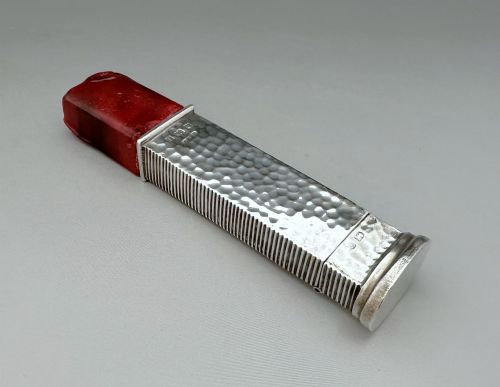
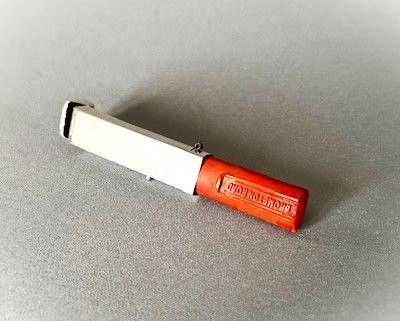
A silver desk seal is a functional desk accessory designed to impress an intaglio matrix into melted sealing wax on correspondence or documents. You will encounter these in several distinct forms across this selection, ranging from simple standalone handles to elaborate novelty figures, combo vesta cases, and complete boxed desk sets.
The pieces span the Georgian, Victorian, and Edwardian eras, alongside pieces from the eighteenth and nineteenth centuries. Alongside standard desk seals, the evidence includes wax holders, bougie boxes, and perpetual calendars incorporating seals.
Makers and origins stretch from English workshops in London, Birmingham, and Chester to French, Swedish, Portuguese, Middle Eastern, and Indian makers. The most common survivals date from the late Victorian and Edwardian periods, often taking the form of cast figural handles or combination wax holders.
How they were made
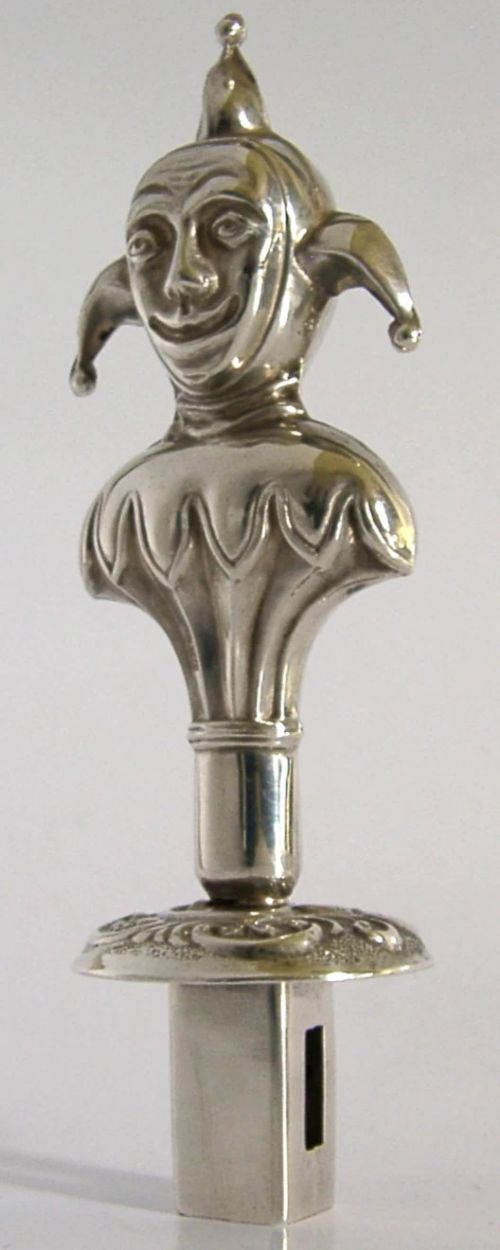
Makers utilised sterling silver, silver gilt, and lower-purity silver alloys for the handles and mounts, often casting solid figures or constructing hollow wax holders. Cast elements required skilled chasing and engraving to define details on figural subjects like animals, jesters, or historical figures.
Many seals incorporate contrasting natural materials set directly into the silver mounts. Sealing wax, glass, coral, amber, agate, hard stone, mother-of-pearl, steel, and velvet appear in the evidence, combining tactile warmth with metalwork.
Engraved matrices cut directly into the base metal or carved intaglio into set stones provided the reversed design required for stamping. Enamel work, guilloche, and paperboard lining in boxed sets complete the construction methods recorded in the archive.
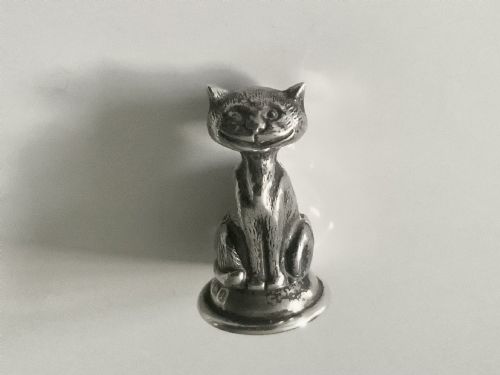
Several pieces take the form of novelty animals and characters, including a Cheshire Cat, a hatching chick, Mr Punch, and an owl.
What varies in quality
The choice and integration of secondary materials dictate quality at the upper end. Solid silver weight, thick gilding, or the presence of genuine hard stones and amber elevate a piece above simpler hollow constructions.
Completeness and original context affect desirability. Boxed sets with intact components like multiple glass intaglio seals or unused original sealing wax represent a higher tier of survival than isolated handles.
Sampson Mordan·Robert Hennell·Mappin And Webb
The Silver Desk Seal Glossary
- Intaglio
- A design carved into the flat face of a stone or metal matrix so that the impression pressed into sealing wax appears in relief. This reversed carving method is essential for creating legible stamps.
- Vesta case
- A small pocket or desk box designed for holding wax matches. These frequently appear combined with sealing wax compartments in desk accessories.
- Bougie box
- A small container holding a coiled wax taper used for melting sealing wax. Robert Hennell examples are known in this form.
- Guilloche
- A decorative technique where a precise, intricate mechanical pattern is engraved into a metal surface. This is often seen beneath translucent enamel on continental European pieces.
- Matrix
- The stamped face at the base of the seal bearing the reversed crest, initials, or figural design. The quality of this carved face determines the clarity of the wax impression.
Silver Desk Seal: Frequently Asked Questions
What is a silver desk seal used for?
A silver desk seal impresses a personal crest, initial, or figural design into molten sealing wax to close and authenticate letters. They sat upon writing desks as both functional tools and decorative objects.
Beyond simple stamping, many examples from the Victorian and Edwardian eras doubled as storage compartments for sealing wax sticks or housed matches within integrated vesta cases.
How do I date a silver desk seal?
Dating relies primarily on English silver hallmarks stamped into the metal, which indicate the assay office, standard, and exact year of manufacture. Stylistic markers also provide strong clues, such as the fluid organic lines of Art Nouveau French pieces or the heavy cast figural realism of late Victorian designs.
Unmarked continental or earlier pieces require stylistic comparison with documented archive examples from periods like the Georgian era or the late nineteenth century.
What materials are found on these seals?
Sterling silver and silver gilt form the primary structural metal for the handles and mounts across most examples. Makers frequently combined the metal with natural decorative elements including amber, agate, hard stones, mother-of-pearl, and coral.
Some specialised pieces incorporate glass intaglio matrices, paperboard presentation boxes, or textile components like velvet linings within fitted desk sets.
How should I display a desk seal?
Desk seals display well upright on a flat surface where their figural handles or decorative terminals remain fully visible. Grouping them together or placing them alongside related writing accessories highlights their sculptural qualities.
Because many handles are cast in solid silver or feature delicate stone settings, placing them on stable shelves or within enclosed cabinets protects them from accidental knocks.