


Silver Cutlery Scoop
These silver cutlery scoop pieces are functional serving utensils crafted in sterling silver, silver plate, bone, wood, and mother of pearl.
Silver Cutlery Scoop
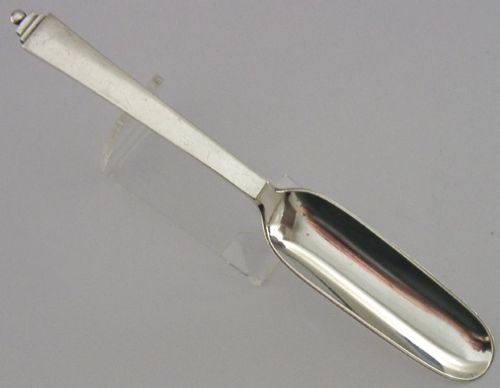
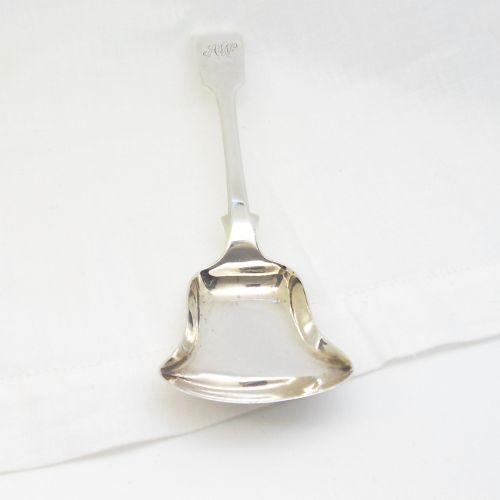
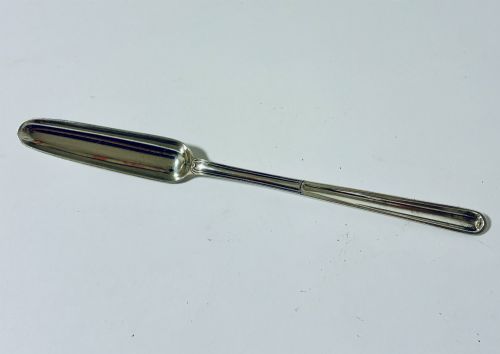
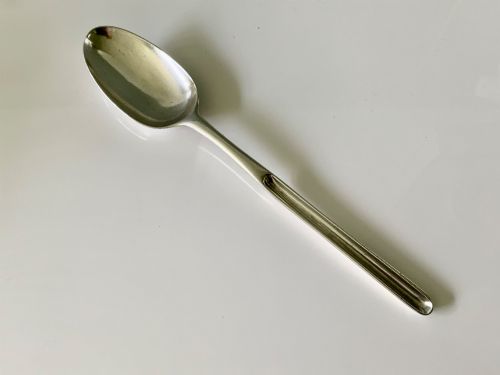
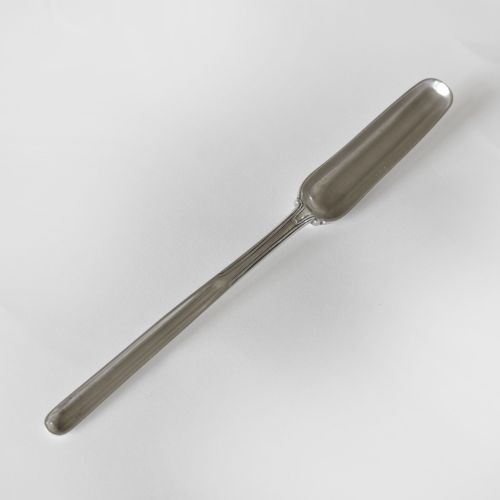
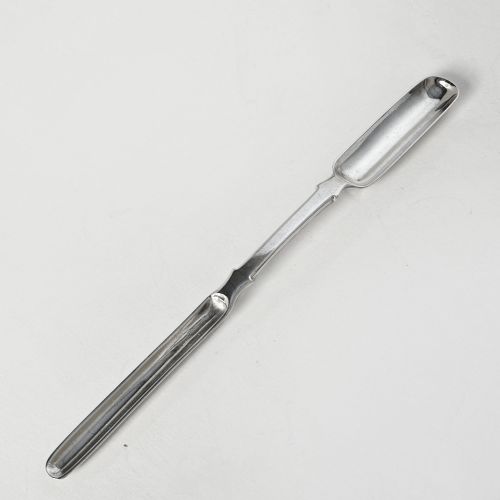
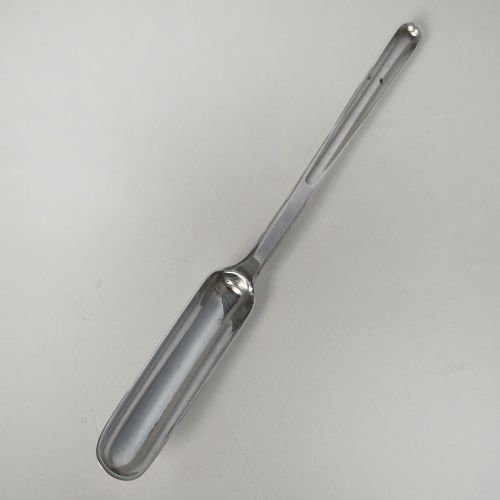
When you examine a silver cutlery scoop, you are looking at serving utensils spanning periods from the early eighteenth century through to the twentieth century. The selections available encompass forms such as marrow scoops, cheese stilton scoops, sugar shovels, caddy spoons, and sardine servers.
You are most likely to encounter Georgian and Victorian marrow scoops alongside later sterling silver cheese scoops on this page. These items reflect the specific dining habits of past centuries, particularly the extraction of marrow and the serving of hard cheese.
Originating predominantly from English makers with occasional French and Irish examples, these utensils demonstrate the shift in domestic dining silver from the 1700s to the Art Deco era. Each piece serves a distinct function at the dining table or tea service.
How They Were Made
The primary material across these listings is sterling silver, supplemented by solid silver and silver plate. Makers shaped the metal through traditional smithing techniques to form the elongated bowls and double-ended channels characteristic of marrow scoops.
Handles frequently incorporate organic materials such as bone, wood, and mother of pearl, attached securely to the silver shanks. These mixed-media pieces rely on careful pinning and fitting to join the metal working parts to the natural handles.
What Varies in Quality
Quality in a silver cutlery scoop depends on the crispness of the hallmarks, the weight of the metal, and the integrity of any organic handle materials. Pieces retaining clear silversmith marks and unpolished crests sit at the higher end of the range.
The execution of functional elements, such as the balanced curve of a cheese scoop or the smooth join between a mother of pearl handle and the silver top, determines the overall refinement of the utensil.
Georg Jensen·John Walton·Edward Power·Jonathan Hayne·George Unite·Thomas Johnson
The Silver Cutlery Scoop Glossary
- Marrow scoop
- A double-ended silver utensil with narrow, trough-like bowls designed for extracting bone marrow at the dining table. They appeared frequently on Georgian and Victorian tables.
- Stilton scoop
- A specialised serving utensil featuring a half-cylinder blade used for cutting and serving hard cheeses like Stilton. They often feature handles made of bone, wood, or mother of pearl.
- Caddy spoon
- A short-handled spoon utilised for measuring tea leaves from a caddy into a teapot. Many examples date from the Georgian and Victorian periods.
- Hallmark
- An official stamp applied to precious metals indicating the standard of silver, the assay office, and the year of manufacture. These marks provide definitive evidence of a piece's age and origin.
- Silver plate
- A base metal coated with a thin layer of silver through electroplating or older methods such as Sheffield plating. This technique allowed manufacturers to produce affordable tableware.
Silver Cutlery Scoop: Frequently Asked Questions
How do I identify a Georgian silver scoop?
Georgian silver scoops are identified by their distinct hallmarks, simplified forms, and periods dating between the reigns of George I and George IV.
Examining the duty marks and maker's stamps on the reverse of the handle typically reveals the exact decade of production.
Are mother of pearl handles original?
Mother of pearl handles on Victorian cheese scoops and serving utensils are generally original to the piece, secured via internal pins.
Careful inspection of the join where the silver meets the mother of pearl will show the integrated construction typical of nineteenth-century manufacturing.
How should I clean antique silver scoops?
Antique silver scoops require gentle cleaning with a soft cloth and specialised silver polish to preserve the underlying hallmarks and engraving.
Avoid abrasive cleaners, particularly on pieces with bone or mother of pearl handles, which can be damaged by harsh chemicals.