






Silver Cut Glass Pot
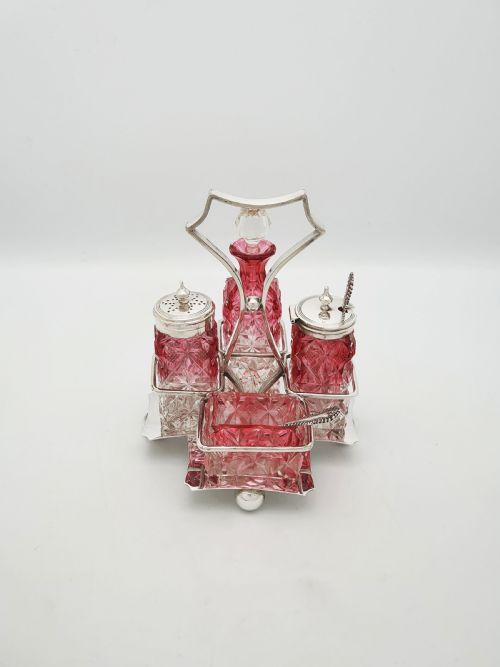
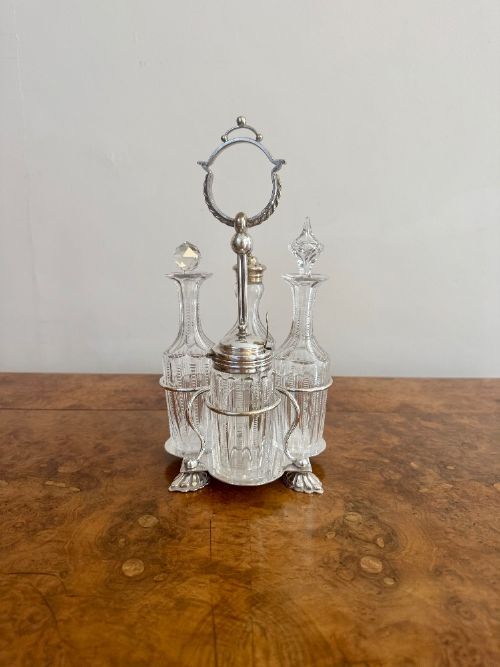
A silver cut glass pot brings together heavy faceted crystal and gleaming precious metal mounts, serving as a functional vessel for the vanity or desk.
Silver Cut Glass Pot
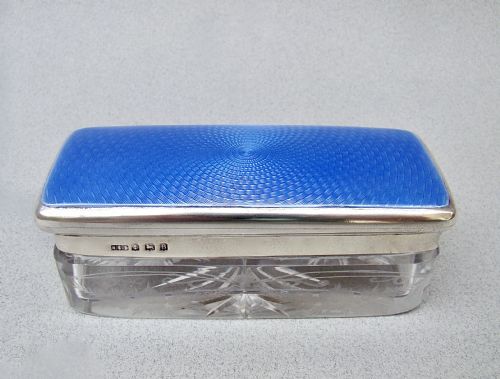
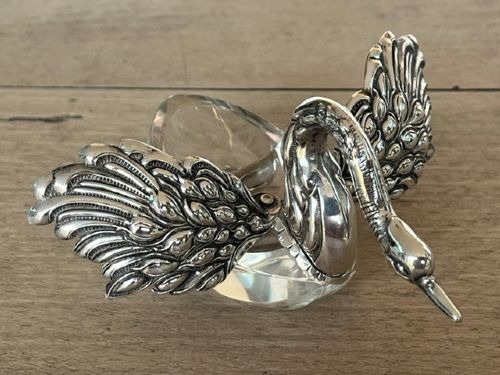
A silver cut glass pot combines a glass body with a metal lid or collar, encompassing forms such as dressing table jars, inkwells, mustard pots, and trinket boxes. These pieces originated primarily in domestic settings for grooming, writing, and dining.
The selection ranges from Victorian and Edwardian examples to Art Deco designs, drawing on periods spanning the nineteenth and twentieth centuries. Vanity items and cruet components dominate the forms discovered in these archives.
How they were made
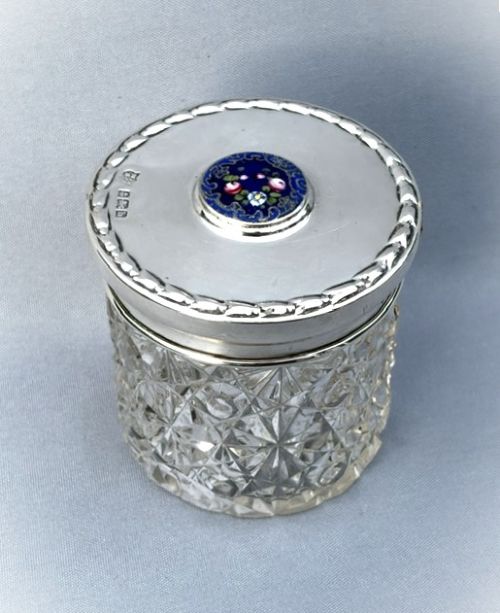
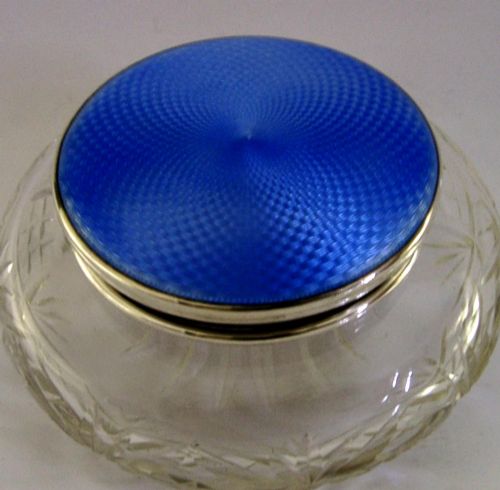
Bodies are formed from cut glass, crystal, or coloured glass, featuring hobnail patterns, facets, or etched surfaces shaped by wheel cutting and moulding. Mounts utilise sterling silver or silver plate, often bearing hallmarks that record the assay office and year of manufacture.
Lids frequently incorporate decorative surface treatments including guilloche enamel, faux tortoiseshell, and set agate. Metal components are secured to the glass rims with collars and hinges designed to seal the vessel.
Silver Cut Glass Pot Retail Price Guide 2026
Typical asking prices for silver cut glass pot among the pieces listed under this phrase on Sellingantiques today, from the lower quarter to the upper quarter. They describe what is for sale here now, not the wider market.
Several glue pots survive in the archive, reminding us that past owners occasionally needed to mend their broken paper goods.
What varies in quality
The density and depth of the glass cutting dictate the tactile weight and brilliance of the vessel body. Crisp facets and clear ringing glass distinguish finer manufacturing from simpler pressed alternatives.
Mount thickness and the complexity of the lid decoration separate standard production items from masterworks. Intricate enamel work, heavier gauge silver, and specialised materials like tortoiseshell indicate elevated craftsmanship.
Henry Clifford Davis·Mappin Brothers·Tiffany and Co·Jonathan Douglas·George Fox·Henry Williamson·John Grinsell and Sons·Charles and Richard Comyns·Charles Green·Henry Matthews·Asprey of London
The Silver Cut Glass Pot Glossary
- Guilloche enamel
- Enamel applied over engine-turned metalwork. This technique creates repeating geometric patterns that show beneath translucent coloured layers.
- Hobnail cut
- A raised pyramidal pattern cut into glass surfaces. It produces a sharp texture that catches light across multiple angles.
- Cruet set
- A matched collection of condiment bottles or jars mounted on a stand. These were utilised at dining tables for oils, sauces, and seasonings.
- Pounce pot
- A small container with a perforated lid used to sprinkle resin powder onto paper. This prepared rough parchment surfaces for ink writing.
Silver Cut Glass Pot: Frequently Asked Questions
What were silver cut glass pots used for?
These vessels served diverse daily functions on dressing tables, desks, and dining surfaces. They held cosmetics, inks, dry mustard, jams, and small personal trinkets.
Lids kept contents protected from dust and evaporation while adding decorative distinction to private and public rooms.
How do I date a silver cut glass pot?
Dating relies heavily on the metal hallmarks stamped onto the silver mounts, which indicate the assay office, maker, and year of production. Stylistic clues such as Art Deco geometric forms or Edwardian scrollwork also help assign a period.
The shape of the glass and the presence of specific enamel colours provide further contextual evidence for the era.
How should I clean the glass and silver?
Silver components require gentle polishing with a dedicated cloth to preserve the metal finish without touching vulnerable enamel or glass surfaces. Glass bodies can be washed in warm soapy water using a soft brush to clear dust from deep cuts.
Harsh chemical dips must be avoided to protect organic inserts like tortoiseshell or delicate applied enamel.
Are these pots safe for daily use?
Most pieces remain sturdy enough to hold dry items, trinkets, or contemporary desk accessories safely. Condiment and ink pots require careful handling if utilised for liquids due to historic seals and adhesives.
Hand washing preserves the historic mounts and prevents moisture from entering compromised historical fittings.