





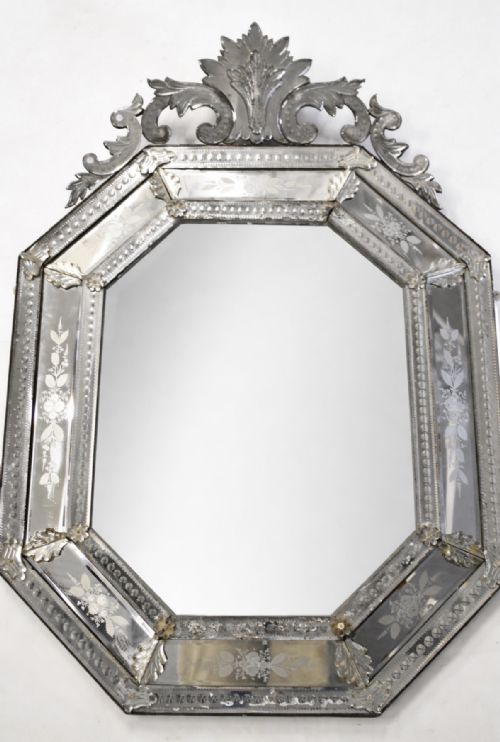


Silver Crest Frame
A silver crest frame brings distinct character to a room, offering both period charm and functional display for cherished photographs.
Silver Crest Frame
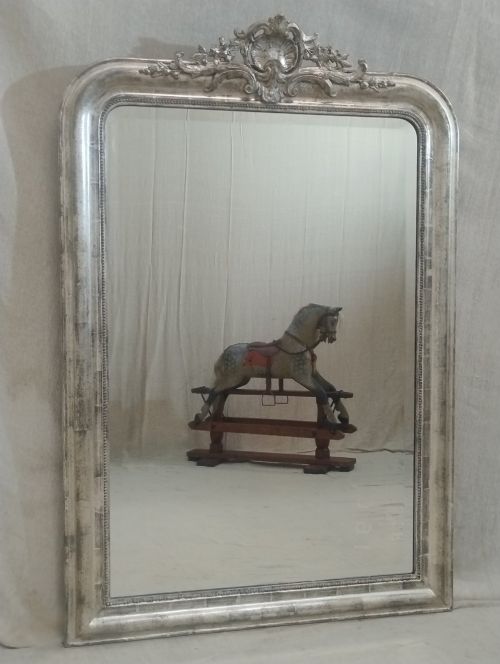
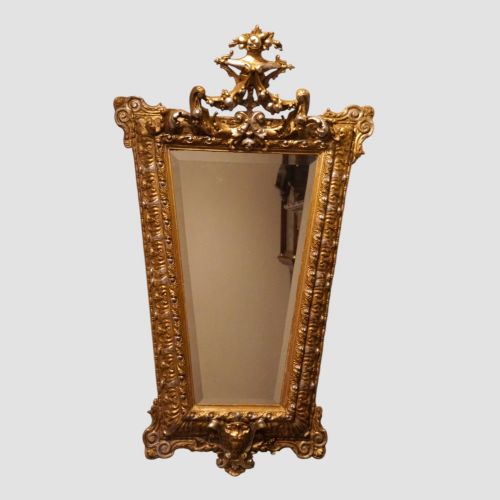
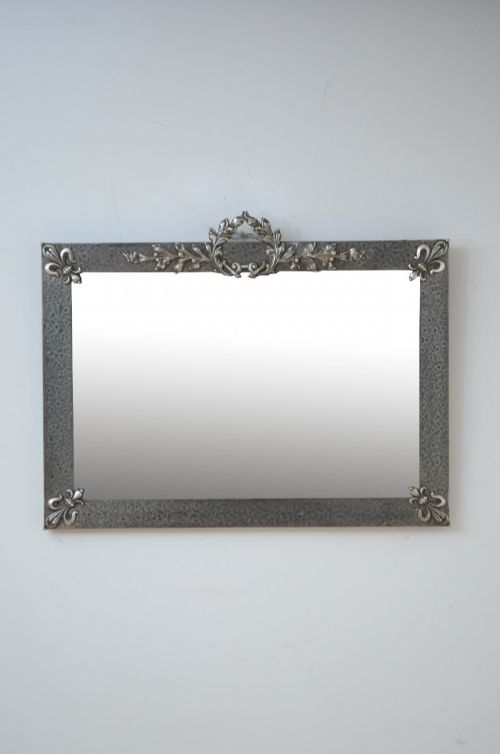
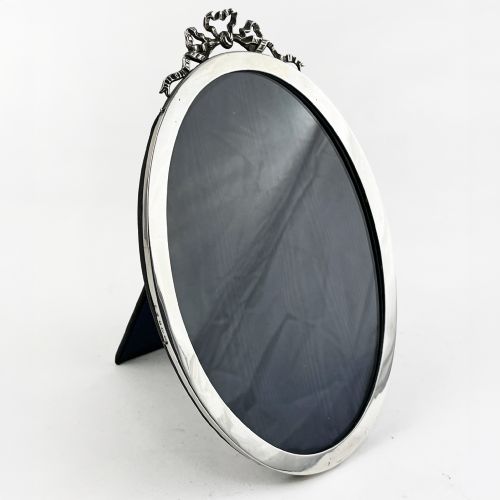
When searching for a silver crest frame, buyers encounter a selection of items primarily comprising sterling silver photo frames, picture frames, and various wall mirrors dating from the nineteenth and twentieth centuries. These objects range from compact tabletop pieces featuring plain borders or decorative ribbon motifs to large wall mirrors adorned with traditional silver gilt and carved gesso.
The most common versions met on this page include sterling silver photo frames from the Edwardian and George V periods, alongside larger Venetian and French wall mirrors. Makers applied silver leaf, sterling silver, and mirrored glass across styles such as Arts and Crafts, Victorian, and Baroque Revival.
Originating from diverse workshops and European traditions, these frames and mirrors serve both decorative and practical purposes in domestic interiors. The surviving examples demonstrate varied craftsmanship across centuries, utilising timber foundations, glass plates, and precious metals.
How they were made
Articles in this category rely primarily on sterling silver construction for smaller photo frames, whilst larger wall mirrors utilise carved wood and gesso frameworks coated in silver leaf or silver gilt. Artisans shaped metal through hammering techniques or formed wooden mouldings by hand before applying decorative finishes.
Glass components include bevelled plates and mirrored glass, frequently displaying natural ageing such as foxing. Backings often incorporate wood and velvet to support the structure and protect the inserted photographs or glass panels.
Silver Crest Frame Retail Price Guide 2026
Typical asking prices for silver crest frame among the pieces listed under this phrase on Sellingantiques today, from the lower quarter to the upper quarter. They describe what is for sale here now, not the wider market.
Several mirrors carry the quiet whispers of foxed glass, reflecting rooms through centuries of accumulated silver spots.
What varies in quality
Quality differences emerge in the depth and precision of the carved wood and gesso ornamentation on mirrors, where sharper detail and intact gilding distinguish finer pieces from plainer iterations. Sterling silver frames vary according to the crispness of hallmarks, the weight of the metal, and the intricacy of motifs like bows and ribbons.
The condition of the mirrored glass plate significantly influences overall character, with original bevels and authentic age spots holding greater appeal than modern replacements. Construction solidity in the joints and backings also separates robust examples from those requiring structural intervention.
The Silver Crest Frame Glossary
- Sterling silver
- An alloy containing ninety-two point five percent silver by mass, standard for quality British plate and photo frames. It provides durability alongside a bright metallic lustre.
- Gesso
- A plaster-like mixture applied to wood frames as a base for silver leaf or gilding. This material allows artisans to carve intricate relief details before finishing.
- Foxing
- Brown spots and discolouration that develop on antique mirror plates over time. This chemical reaction occurs due to the interaction of humidity with the silver backing.
- Silver gilt
- Silver applied over another base metal or wood, sometimes combined with gold leaf to produce a specific dual-tone appearance. It offers the visual impact of solid precious materials.
- Bevelled plate
- Glass with edges cut and polished at an angle to catch light and create a decorative border. This technique adds depth to mirrors and picture frames.
Silver Crest Frame: Frequently Asked Questions
How do I clean antique silver frames?
Use a soft cloth specifically designed for precious metals to gently remove tarnish from sterling silver surfaces without rubbing away hallmarks or delicate details.
Avoid applying harsh chemical dips or abrasive pastes, particularly near fabric velvet backs or glass edges where moisture might seep into the structure.
What periods do these items come from?
The selection spans the nineteenth and twentieth centuries, encompassing Victorian, Edwardian, George V, and later twentieth-century production dates.
Craftsmanship styles reflect these distinct eras, ranging from heavily ornamented Baroque Revival wall mirrors to cleaner Arts and Crafts hammered metal designs.
Are the mirror plates original?
Many pieces retain their original glass plates, often identifiable by natural foxing, slight distortions, and hand-bevelled edges developed over decades of use.
Examining the back and edges of the glass helps determine whether a plate dates from the same period as the surrounding frame.
How were photo frames used originally?
Smaller sterling silver frames sat upon desks, dressing tables, and mantelpieces to display portraits of family members or royal presentation badges.
Their wooden and velvet backs supported the upright display while protecting delicate paper photographs from dust and environmental wear.