

Silver Column Table Light
A silver column table light brings height and classical proportion to a room, catching the light in a way simpler forms cannot.
Silver Column Table Light
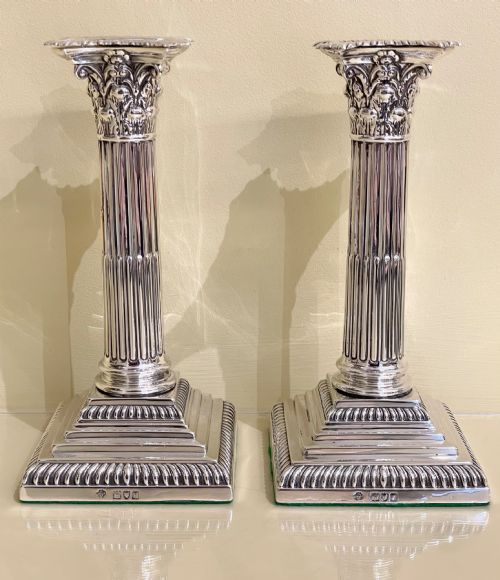
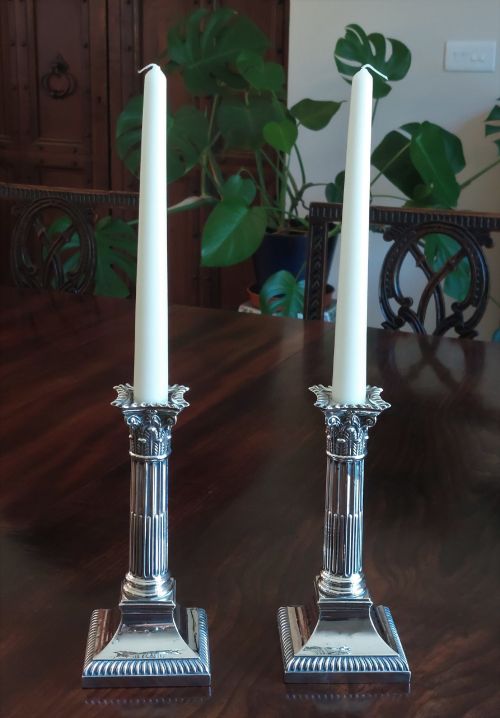
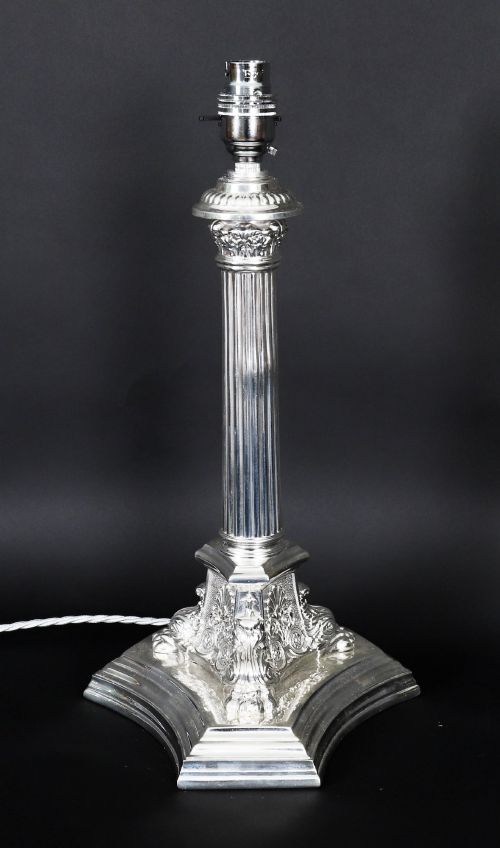
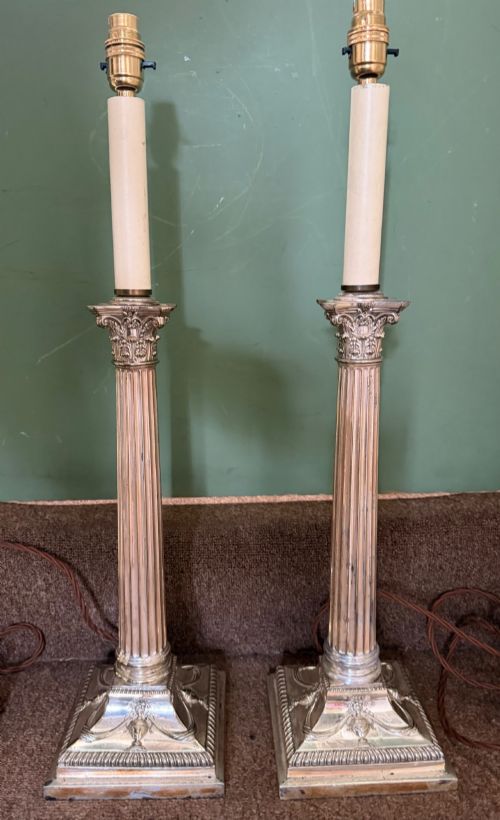
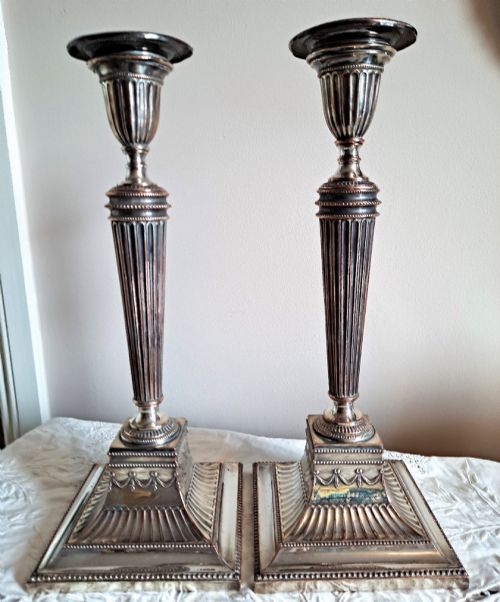
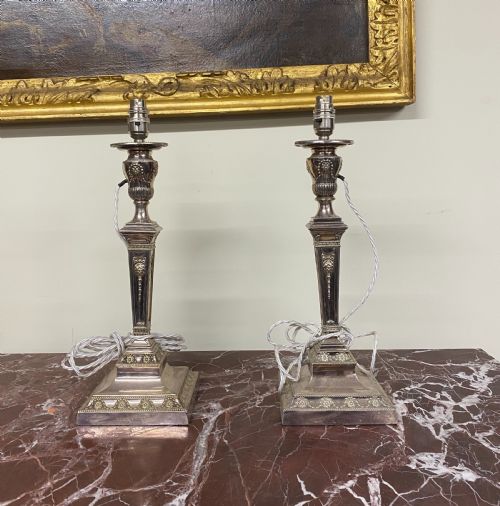
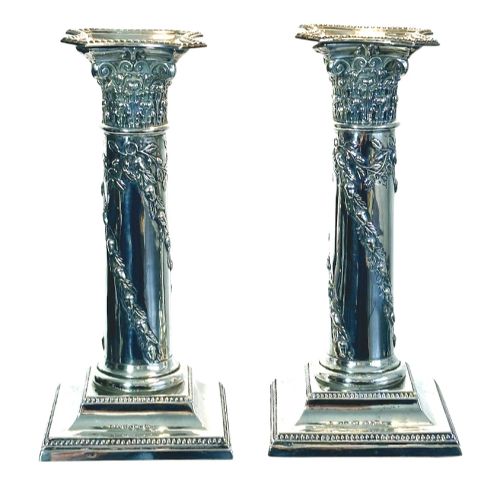
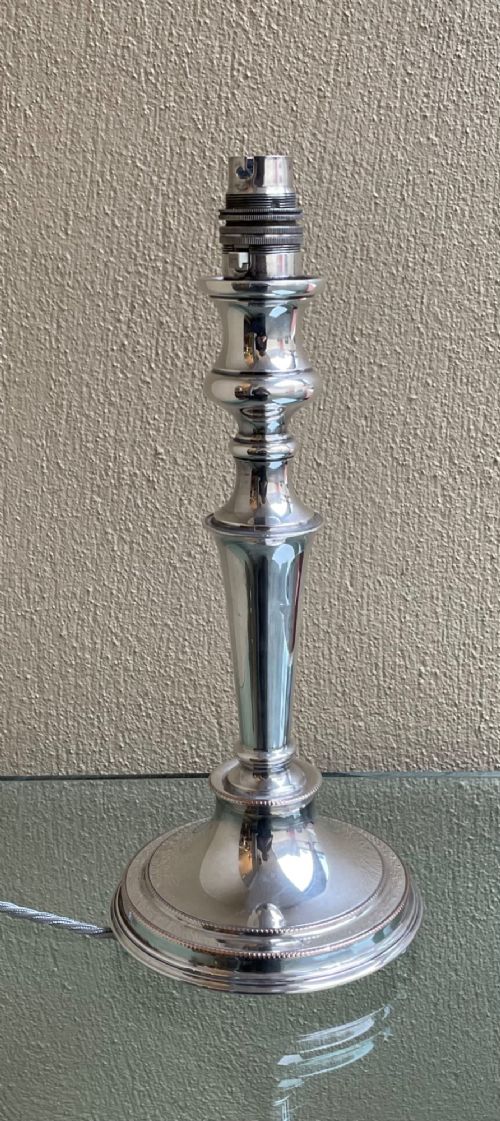
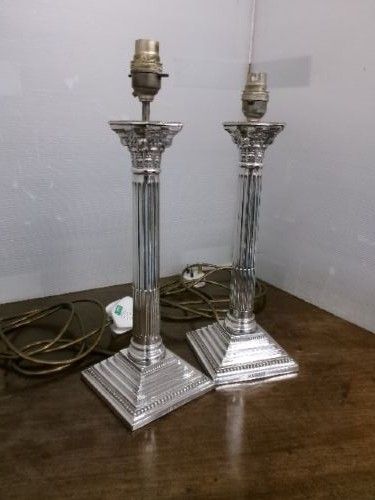
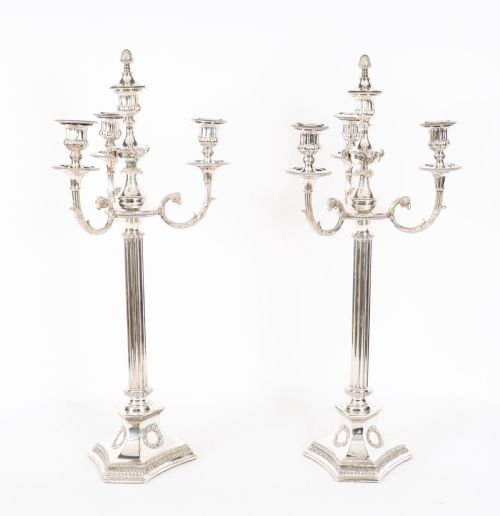
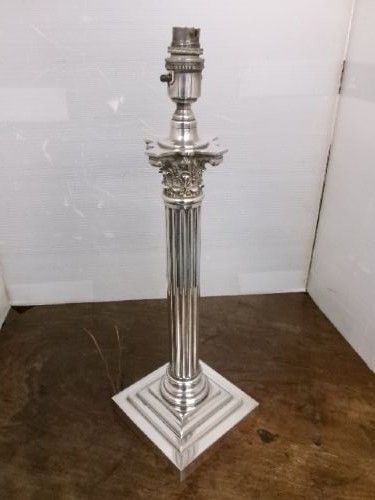
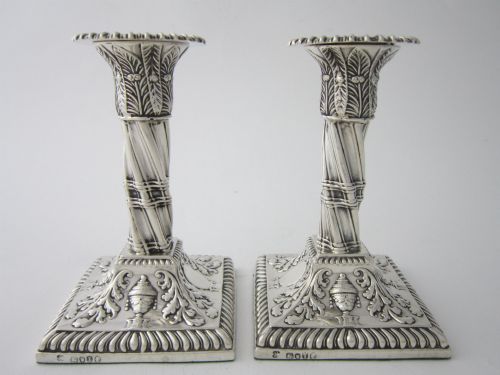
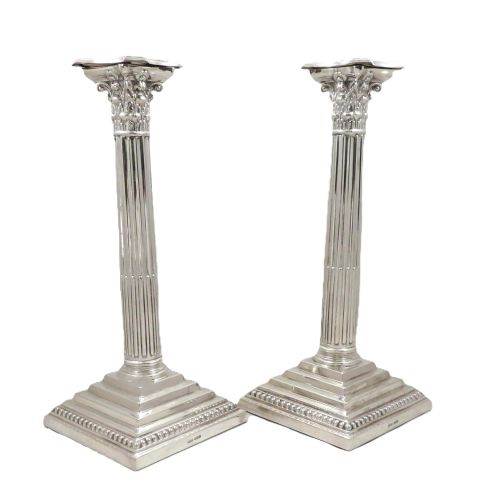
A silver column table light draws upon classical architecture, taking the fluted shaft and capital of ancient building styles to support a domestic flame or bulb. These pieces range from substantial Victorian oil lamps converted for electricity to slender sterling silver or silver plated candlesticks adapted for the table.
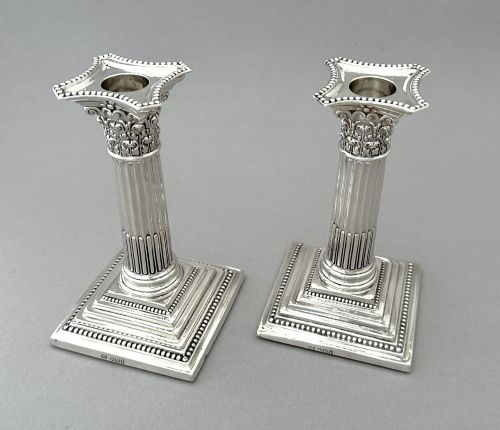
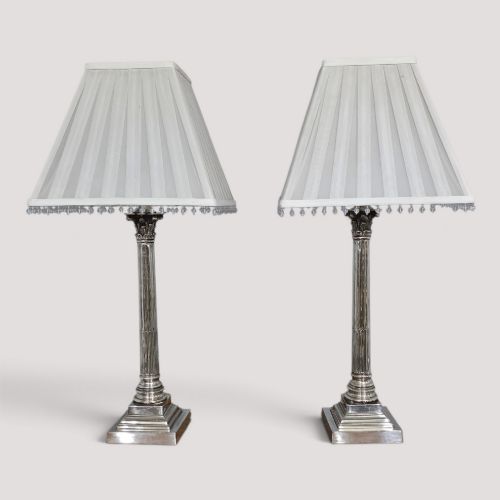
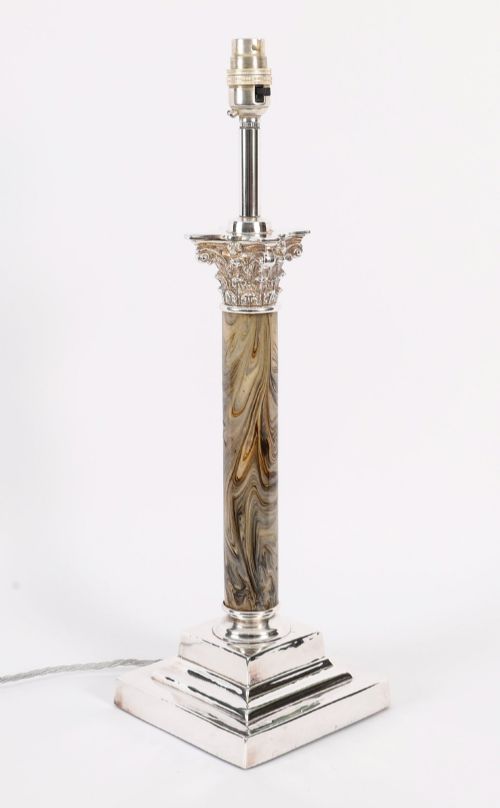
The most common version met on this market is the Corinthian column table lamp, frequently cast in silver plate during the nineteenth century or later Edwardian period. Such pieces often stand on stepped square bases, sometimes raised on lion's paw feet or decorated with acanthus leaf details.
The materials span solid sterling silver, heavy silver plate over copper or base metal, and older Old Sheffield Plate where the fused silver layer shows a warm copper edge. Brass and glass elements occasionally appear within the assemblies, while fabric shades complete the modern configuration of these historic forms.
Materials and Construction
Makers formed the columns by rolling sheet metal into cylinders or casting heavier capitals and bases in metal alloys before applying a layer of silver. Many pieces rely on silver plate over a sturdy base metal or copper core to achieve structural rigidity and weight.
Sterling silver examples required skilled silversmiths to hammer, spin, or cast the metal components, often filling the weighted bases with resin, plaster, or wood to provide stability. Detailing such as acanthus leaves on Corinthian capitals was hand-chased or cast from detailed moulds.
Older pieces utilise Old Sheffield Plate, a method of fusing a thin sheet of silver to a thick copper ingot under heat and pressure before rolling them together. This technique leaves a distinct telltale copper line where the edges meet or wear down over time.
Silver Column Table Light Retail Price Guide 2026
Typical asking prices for silver column table light among the pieces listed under this phrase on Sellingantiques today, from the lower quarter to the upper quarter. They describe what is for sale here now, not the wider market.
Listings feature silver column table lights spanning from the Georgian era through the Victorian period, Edwardian times, and into Art Deco designs.
Judging Quality and Execution
The crispness of the casting marks the difference between average production and finer workshops, particularly in the intricate acanthus leaves and volutes of a Corinthian capital. Crisp, deep relief work indicates skilled hand-finishing rather than a softened, worn-out cast.
Weight and balance dictate the integrity of a column light, as a heavier base ensures the tall structure stands firmly without tipping. Superior examples maintain solid proportions throughout the shaft and base rather than relying on hollow, thin-gauge metal.
The preservation of the original silver plating or the gauge of solid sterling silver determines the longevity of the piece. Fine maker marks stamped into the silver or base add confidence in the origin and standard of the metalwork.
Goldsmiths and Silversmiths Company·Harrison Brothers & Howson·Walter Latham & Son·William Hutton & Sons
The Silver Column Table Light Glossary
- Corinthian column
- An architectural order featuring an ornate capital decorated with carved acanthus leaves and scroll shapes. This design is widely used on the shafts of tall antique table lamps.
- Old Sheffield plate
- An early method of fusing silver to a copper core by heating and rolling the metals together. This technique creates a durable composite material with a characteristic warm edge.
- Sterling silver
- A silver alloy containing a high proportion of pure silver by weight, stamped with assay office hallmarks to guarantee the standard. It provides a bright, polishable surface that endures for generations.
- Candelabra
- A branched lighting fixture designed to hold multiple candles or bulbs simultaneously. These pieces often feature matching arms extending from a central column.
- Duplex burner
- A double-wick mechanism found on nineteenth-century oil lamps designed to burn paraffin with increased brightness. It regulates two flat wicks side by side.
Silver Column Table Light: Frequently Asked Questions
How do I wire a column lamp?
Wiring a column lamp typically involves threading a modern fabric cable down through the hollow centre of the metal shaft. A qualified electrician should install the appropriate brass lampholder and ensure the base is safely earthed.
Preserving the original structural components during conversion maintains the historical integrity of the piece. Avoid drilling through marked silver hallmarks when routing the internal wiring.
What is Old Sheffield Plate?
Old Sheffield Plate is an early composite material created by fusing a thin sheet of sterling silver onto a thick copper ingot. This sandwich of metals was then rolled into thin sheets used by silversmiths to construct durable wares.
Under magnification, the underlying copper often shows through along high friction edges or where the silver has worn thin over decades of polishing.
How do I date a silver column?
Dating a silver column relies heavily on legible hallmarks stamped into the metal, which record the assay office, date letter, and maker's mark. Unmarked silver-plated examples require stylistic clues such as the shape of the stepped base or the execution of the capital.
Victorian and Edwardian pieces often display registration numbers or maker stamps on the underside of the weighted base. Comparing the weight distribution and construction style helps narrow the decade of manufacture.
Can I use these with modern bulbs?
Modern low-heat LED bulbs fit standard lampholders and reduce the risk of heat damage to historical metal finishes and internal wiring. Selecting a bulb with a warm colour temperature mimics the soft glow of historic candlelight or early electric filaments.
Ensure the shade carrier matches the height of the column to maintain balanced proportions. A well-chosen fabric shade diffuses the light evenly across the polished silver surface.