



Silver Coin Dishes
Silver coin dishes combine functional pocket trays and small receptacles with inset currency, spanning periods from the eighteenth century to the mid-twentieth century.
Silver Coin Dishes
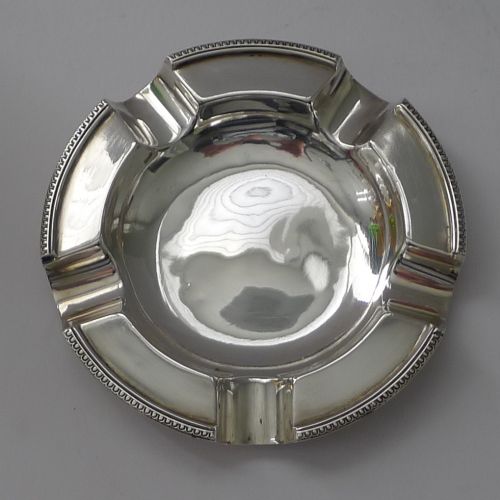
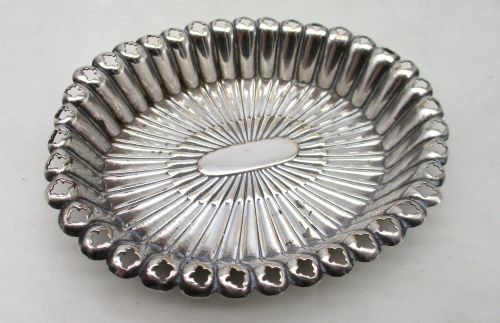
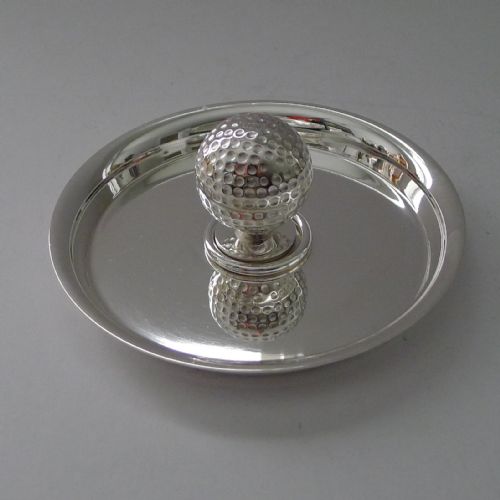
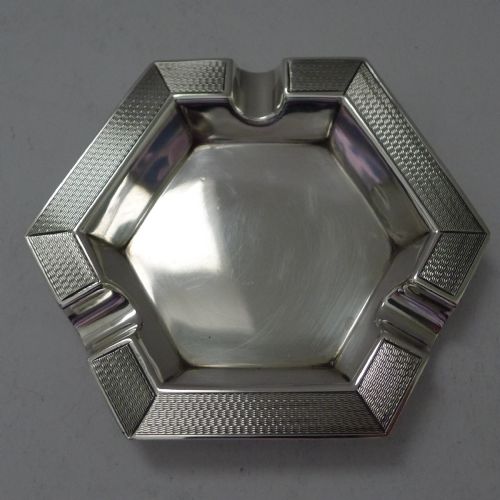
Silver coin dishes encompass a variety of small vessels, trinket trays, pin dishes, and ashtrays designed to hold pocket items. When searching for silver coin dishes, buyers encounter pieces configured as vide poche, card trays, and valet trays.
The objects span multiple eras, including Georgian items in Old Sheffield plate, Victorian and Edwardian sterling silver pieces, and mid-century modern French and international designs. Examples range from Chinese export and Anglo-Indian solid silver work to European silver plate and novelty forms.
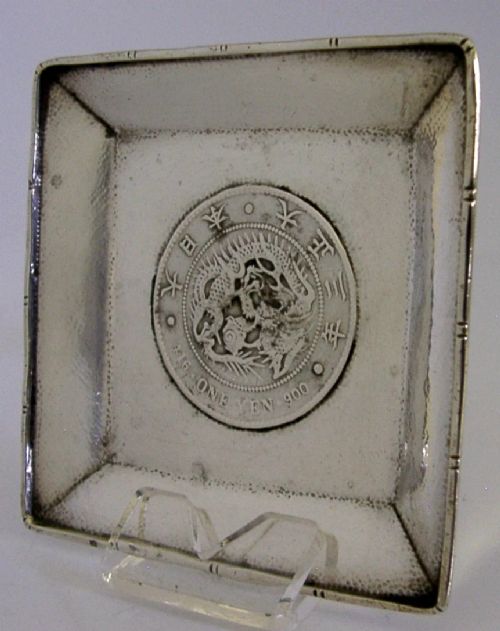
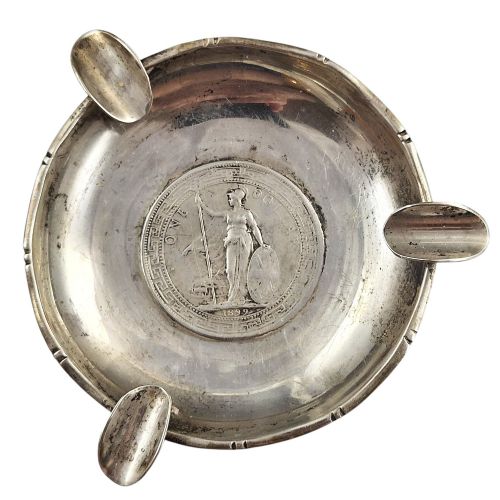
Makers integrated actual currency such as Japanese yen, British trade dollars, and nineteenth-century coinage directly into the metalwork of the dishes. These items function equally as desk accessories, ashtrays, and decorative receptacles for small valuables.
How they were made
Silversmiths utilised sterling silver, solid silver, and silver plate over base metals like copper, Britannia metal, and silvered pewter. Techniques involved shaping sheet metal, casting decorative borders, and soldering inset coins securely into the centre of the tray.
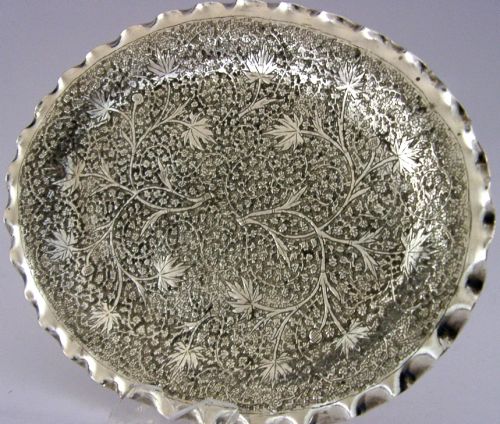
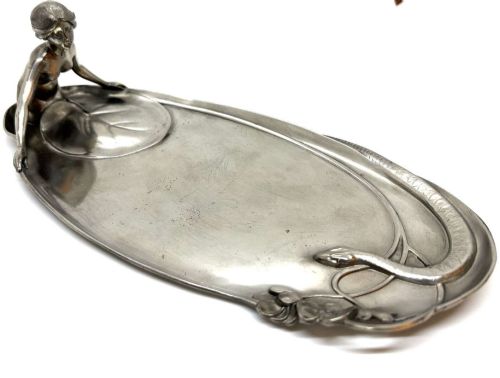
Makers applied regional stylistic approaches, resulting in Anglo-Indian repoussé work, Chinese export hallmarks, Art Nouveau organic figures, and clean Mid-Century Modern lines. Plated items often employed Old Sheffield plate methods or later electroplating processes.
Silver Coin Dishes Retail Price Guide 2026
Typical asking prices for silver coin dishes among the pieces listed under this phrase on Sellingantiques today, from the lower quarter to the upper quarter. They describe what is for sale here now, not the wider market.
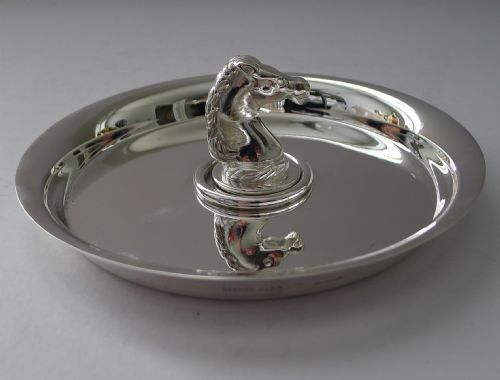
A horse head finds itself permanently stabled inside a twentieth-century vide poche, ready to hold stray cufflinks.
What varies in quality
Quality in silver coin dishes rests on the weight of the metal and the crispness of the chased or cast ornament. Heavier solid silver examples demonstrate substantial gauge metal compared to lighter plated alternatives.
The integration of the coin and the prominence of the maker or retailer distinguish standard production from finer pieces. Details such as clear hallmarks, well-defined coin dates, and clean soldered joins elevate the manufacture.
William Neale·Hermes Paris·Lee Yee Hing·John Grinsell And Sons·Maria Pergay
The Silver Coin Dishes Glossary
- Vide poche
- French term meaning empty pocket, describing a small tray or dish placed in an entryway to hold loose pocket items. These often incorporate coins or novelty motifs.
- Old Sheffield plate
- A composite material made by fusing a thin layer of sterling silver to a thicker copper core, prevalent in eighteenth-century manufacture. Items show thin silver layers where base copper emerges through wear.
- Sterling silver
- An alloy containing ninety-two point five percent silver by mass, with the remainder usually copper. This standard guarantees the purity of the metal used in British and international pieces.
- Chinese export silver
- Silver items produced in China by local silversmiths for Western markets, often marked with artisan chops alongside pseudo-hallmarks. These pieces frequently feature traditional regional ornamentation combined with European forms.
Silver Coin Dishes: Frequently Asked Questions
What is a silver coin dish used for?
These dishes serve as valet trays, ashtrays, or vide poche receptacles for holding loose change, keys, and small pocket items.
Historically placed on halls, desks, or smoking tables, they keep small valuables contained while displaying numismatic insets.
How can I tell the period of a silver coin dish?
Dating relies on maker marks, hallmarks, stylistic indicators, and the date of the inset coin itself. Edwardian and Victorian pieces display specific assay office stamps, whereas mid-century examples often feature minimalist aesthetics.
The coin provides a terminus post quem, meaning the dish must have been made in or after the mint year of the currency inset.
Are silver coin dishes made of solid silver?
Materials vary across the selection, encompassing sterling silver, solid silver, silver plate, and Old Sheffield plate over copper. Some novelty pieces also utilise silvered pewter or Britannia metal.
Listings specify the exact metal composition, distinguishing solid silver pieces from plated variations.
Who made these coin dishes?
Production spans international workshops, retailers, and silversmiths including William Neale, John Grinsell and Sons, and Chinese export makers such as Lee Yee Hing. Luxury houses like Hermes and designers such as Maria Pergay also produced twentieth-century examples.
Maker marks stamped into the base or rim typically identify the originating firm or silversmith.