





Silver Claw Feet
Silver claw feet anchor grand tables, salvers and salts, offering a muscular neoclassical stance that grounds opulent serving pieces.
Silver Claw Feet
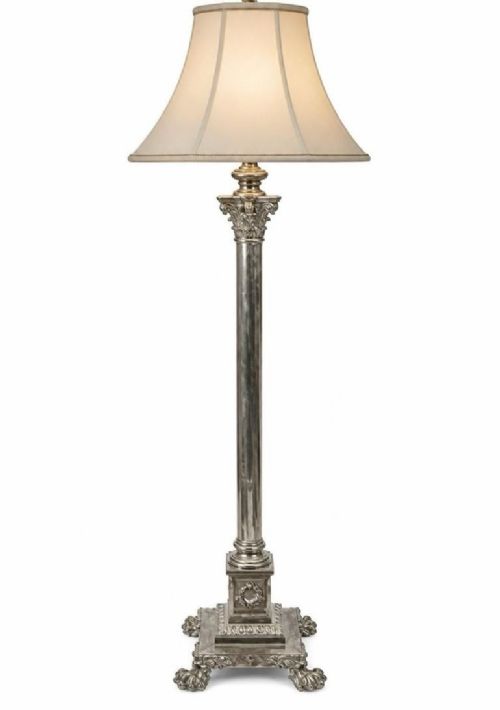
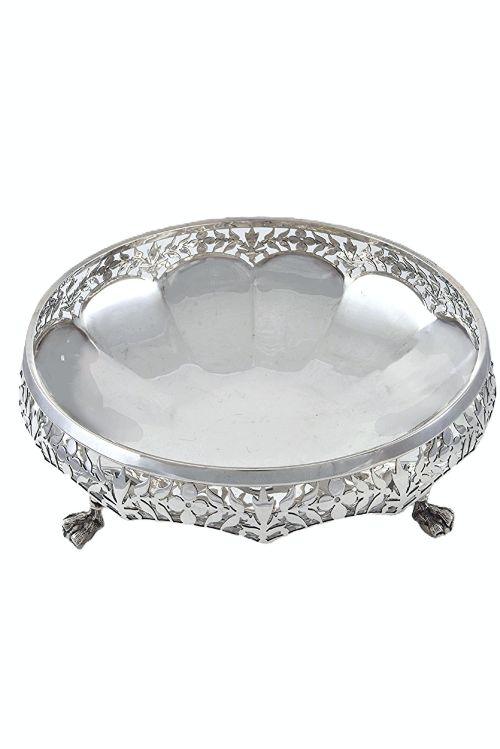
When buyers search for silver claw feet, they are looking at decorative furniture supports, serving vessels and small table items that utilise animalistic pedestals. The items span the eighteenth, nineteenth and early twentieth centuries, drawing on Georgian, Victorian and Edwardian traditions.
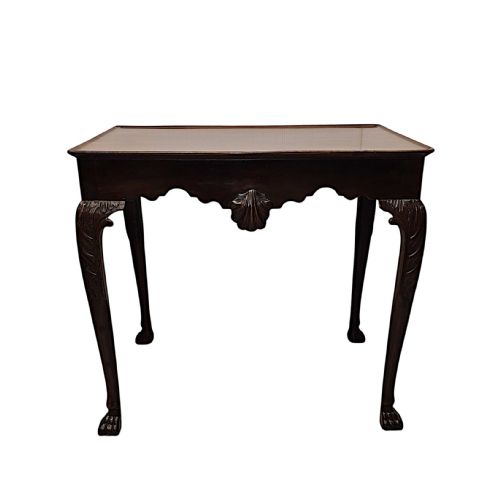
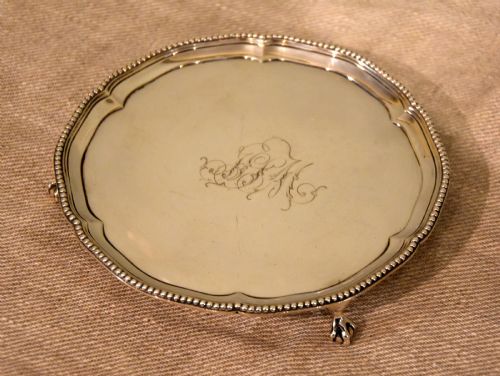
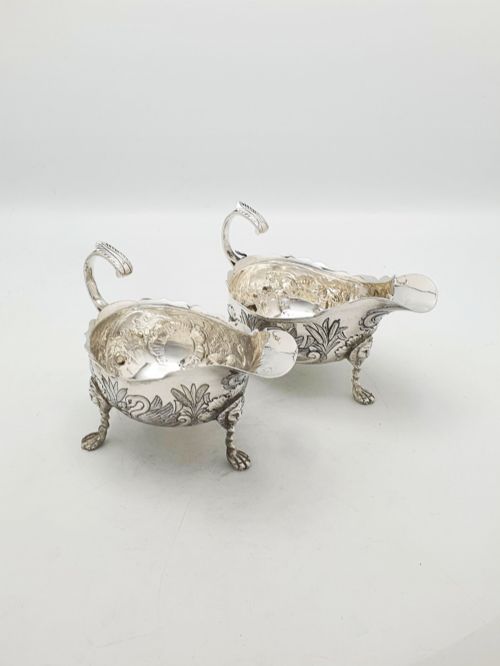
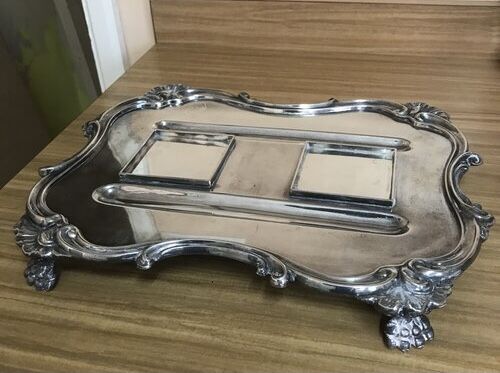
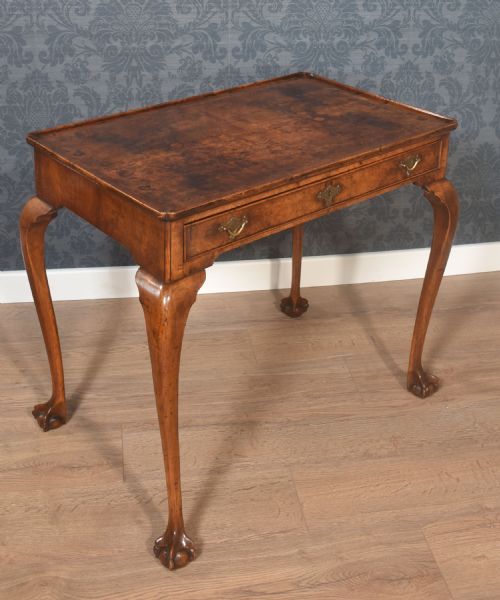
The most common forms on this page include Irish and English silver tables, mahogany occasional pieces, salt cellars and sauce boats. These range from substantial centre tables with carved wooden or metal legs to smaller silver plated desk tidies and salvers.
Materials and construction
The listings record solid sterling silver, Old Sheffield plate and standard silver plate applied to brass, copper and various metals. Furniture items combine these metallic details with timbers such as mahogany and burr walnut.
Silversmiths and cabinetmakers cast or hammered the supporting terminals into realistic talons gripping balls or pads, attaching them securely to table legs, bowls and trays using traditional joinery and soldering techniques.
Silver Claw Feet Retail Price Guide 2026
Typical asking prices for silver claw feet among the pieces listed under this phrase on Sellingantiques today, from the lower quarter to the upper quarter. They describe what is for sale here now, not the wider market.
Judging the quality
Quality separates through the anatomical definition of the casting and the crispness of the feather or scale detail on the talons. Superior examples show careful hand-chasing rather than soft, mass-produced uniformity.
The integration between foot and body dictates overall success. Top tier pieces maintain proportion where the weight of the claw matches the mass of the table top or bowl it supports.
John Schofield·Walker & Hall·Fenton Russel·Harrods
The Silver Claw Feet Glossary
- Claw and ball
- A furniture foot design depicting a bird's talon clutching a spherical ball. This motif appeared widely during the Georgian period and later revivals.
- Silver plate
- A thin layer of silver fused or electroplated onto a base metal such as copper or brass. Old Sheffield plate represents an early fusion method.
- Salt cellar
- A small vessel used to hold loose salt at the dining table. Eighteenth and nineteenth-century examples often rest upon three distinct claw feet.
- Salver
- A flat plate or tray used for serving drinks or presenting items. These often feature shaped borders supported by diminutive feet.
Silver Claw Feet: Frequently Asked Questions
What are silver claw feet?
Silver claw feet are sculptural supports shaped like animal talons, typically found on the bottom of serving vessels, tea wares and furniture legs.
They serve both a structural and decorative purpose, elevating the object while introducing a distinct classical aesthetic inspired by nature.
How do I clean pieces with claw feet?
Cleaning requires a soft cloth and a gentle silver polish appropriate for either solid metal or plated surfaces. Take care around detailed crevices to avoid removing historical patina from the textured metalwork.
Avoid harsh dips or abrasive brushes that can strip thin plating or damage wooden components joined to the metal feet.
Are these items solid silver?
The materials vary across the selection, encompassing both solid sterling silver and various grades of silver plate over copper, brass or base metals. Furniture pieces combine timber frames with metal mounts and feet.
Examining hallmarks or maker's marks on the metal components will clarify the exact composition and origin of each individual piece.
Where should I display them?
These items suit placement on side tables, desks, or as centrepieces on dining surfaces where the detail of the feet remains visible. Ensure they sit away from direct heat sources to protect any wooden elements.
Pairing them with period furniture helps contextualise their design history within a traditional or eclectic interior.