


Silver Chest Box
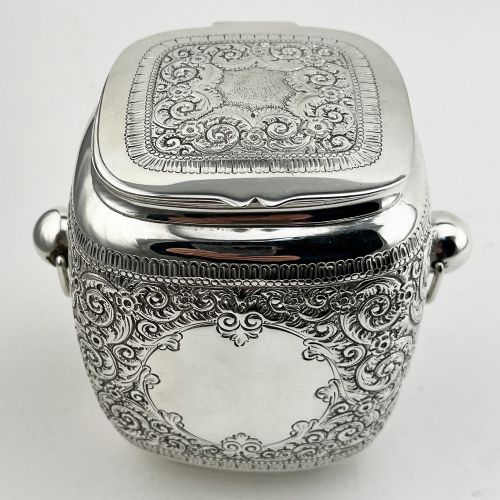
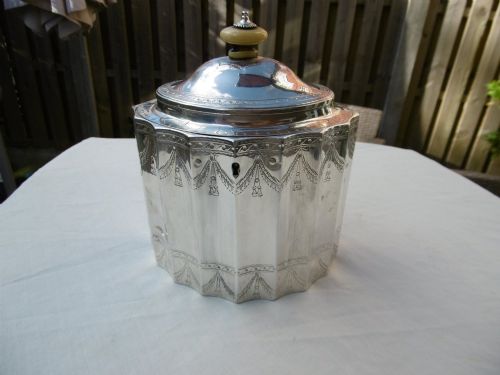
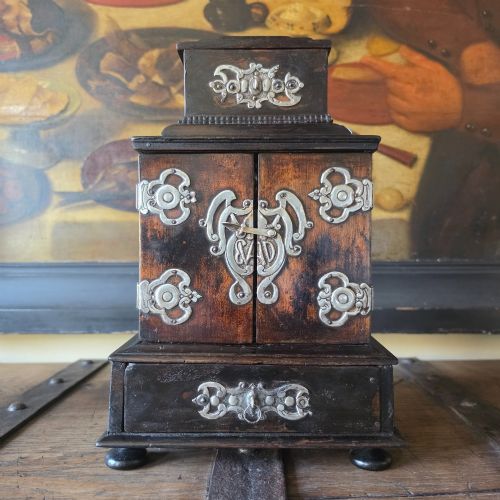
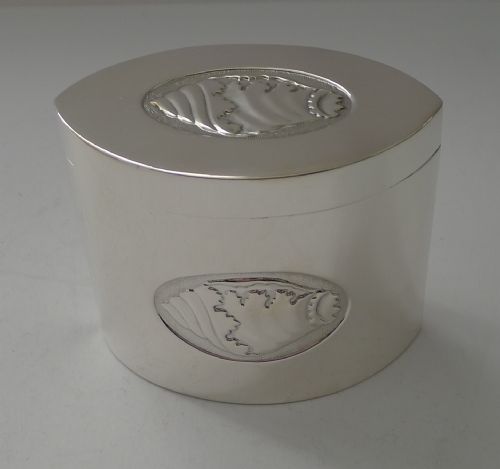
When you search for silver chest box, you encounter robust storage trunks, fitted jewellery caskets, and small precious containers fashioned from timber and metal.
Silver Chest Box
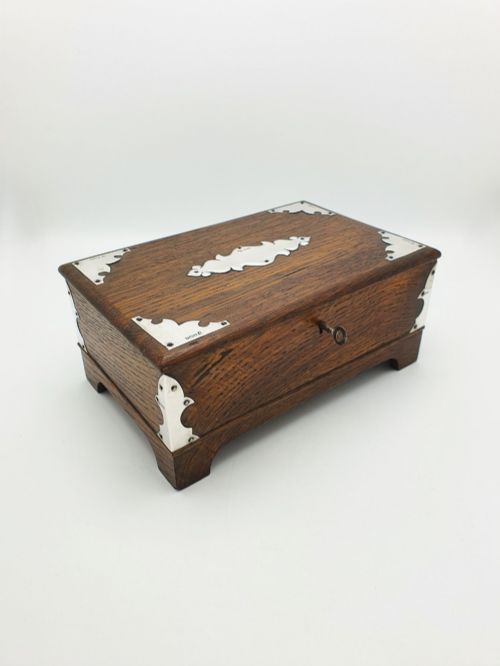
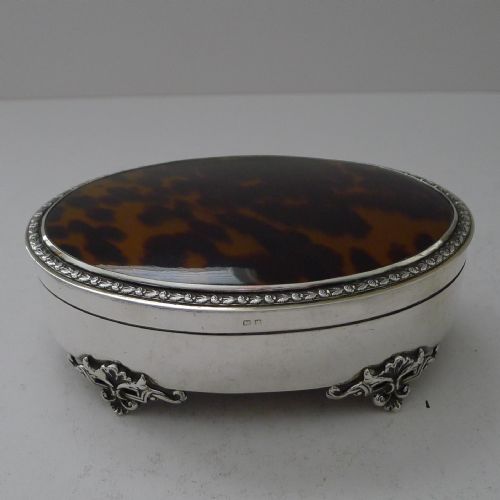
When searching for silver chest box, buyers encounter a diverse group of objects ranging from massive oak storage trunks bound in iron to small tabletop jewellery caskets and tea caddies. Large examples designed for travel or household storage feature heavy timber construction with reinforced metal banding, while smaller receptacles protect personal valuables and precious dry goods.
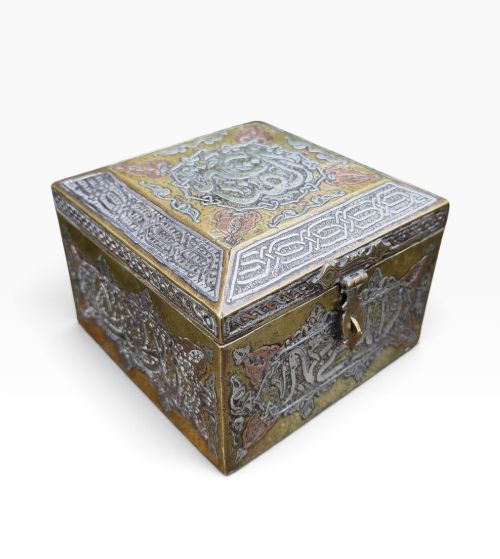
The material palette spans durable native woods like oak, mahogany, and walnut alongside precious metals, sterling silver, and silver plate. Many smaller pieces incorporate decorative elements such as tortoiseshell, velvet linings, and guilloche enamel, demonstrating the varied utility demanded by historical households.
How they were made
Makers utilised solid timbers such as oak and mahogany for structural integrity, often reinforcing large trunks with cast iron or steel bands and corner brackets for transport. Smaller caddies and boxes employed fine veneers, tortoiseshell, and brass mounts, reflecting the specific functional requirements of each container.
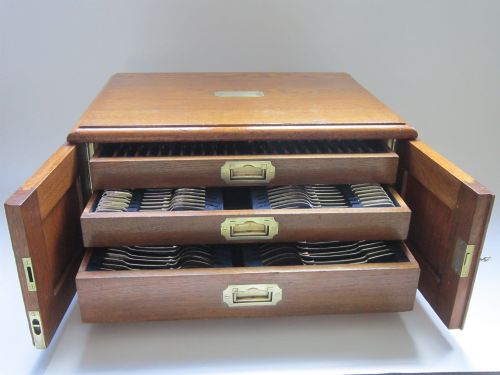
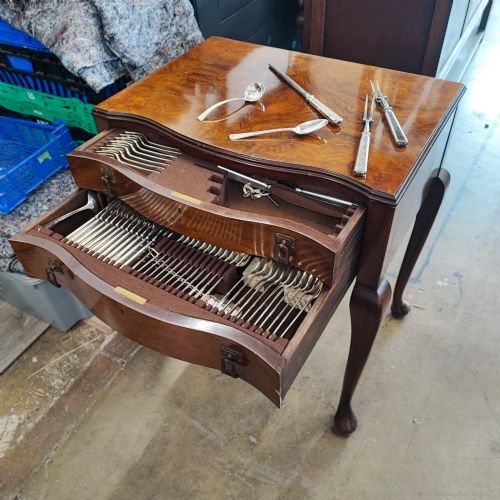
Interior fittings required precise joinery to accommodate velvet linings, fitted cutlery dividers, or segmented compartments for jewellery and tea. Exterior surfaces frequently displayed hand-cut mounts, hallmarked sterling silver plaques, and specialised locking mechanisms.
Some Edwardian hatpin boxes included internal pincushions designed to display extravagant millinery accessories safely.
What varies in quality
The standard of construction largely dictates the quality of a silver chest box, separating robust utility items from finer domestic furnishings. Superior examples display tight, dovetail joinery, undamaged metal reinforcement, and heavy-gauge sterling silver mounts bearing clear hallmarks.
Internal preservation and original fittings heavily influence desirability. Pieces retaining intact velvet linings, functional locks, and unaltered secondary woods command greater attention than those with extensive replacement parts or degraded interiors.
Martin Hall And Co·Robert Hennell·Elkington·Walker And Hall·Cohen And Charles
The Silver Chest Box Glossary
- Tea caddy
- A box or container specifically designed to store dry tea leaves securely. Early examples often featured multiple internal compartments and lockable lids to protect an expensive commodity.
- Hallmark
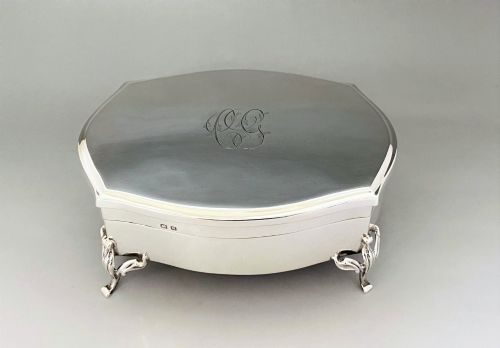
- An official stamp applied to precious metals indicating purity, origin, and assay office. These marks provide definitive evidence of date and maker for sterling silver mounts and boxes.
- Tantalus
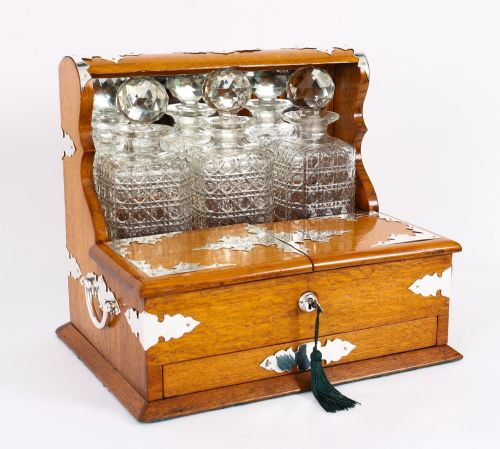
- A locking beverage decanter stand designed to display spirits while preventing unauthorized access. The wooden frame secures the decanters in place until a key releases the mechanism.
- Tortoiseshell
- The mottled brown and amber shell of certain turtle species used as a decorative veneer on luxury boxes and tea caddies. Craftsmen applied thin plates over a contrasting foil or wood base.
- Guilloche enamel
- A decorative technique where translucent enamel is applied over precisely engraved engine-turned metal. This method creates repeating geometric patterns beneath a coloured glass surface.
Silver Chest Box: Frequently Asked Questions
What is a silver chest box used for?
Large versions served as heavy storage trunks and travel containers for household valuables and silverware. Smaller boxes functioned as tabletop caddies for tea, jewellery, snuff, or trinkets.
Interior compartments were tailored to keep specific commodities secure, clean, and organised. Their robust construction protected fragile items from damage during transport and daily use.
How do I identify the period of a box?
Dating relies heavily on metal hallmarks, construction techniques, and prevailing furniture styles visible in the woodwork. Georgian and Victorian examples often display distinct regional assay marks and characteristic timber selections.
Examining secondary woods, hinges, and locking mechanisms also helps narrow down the manufacturing era. Stylistic indicators like Art Nouveau curves or Regency proportions offer further clues.
Are these boxes made of solid silver?
Most large trunks and chests utilise structural timbers like oak or mahogany with iron or steel banding, incorporating silver only for decorative mounts or exterior plaques. Smaller boxes and caddies frequently feature sterling silver construction or silver plate over a base metal.
Tabletop trinket boxes and snuff containers often carry full sets of silver hallmarks. Buyers should inspect individual mounts to determine whether the metal is solid or plated.
How should I care for antique wood and silver?
Wooden surfaces benefit from occasional waxing with appropriate formulations to preserve the natural grain and patina. Silver mounts require gentle cleaning with specialised polish to prevent tarnish accumulation without wearing away fine details.
Keeping items away from direct sunlight and excessive humidity prevents timber splitting and fabric lining degradation. Velvet and silk interiors should be kept dry and brushed gently to remove dust.