
Silver Caster Shaker
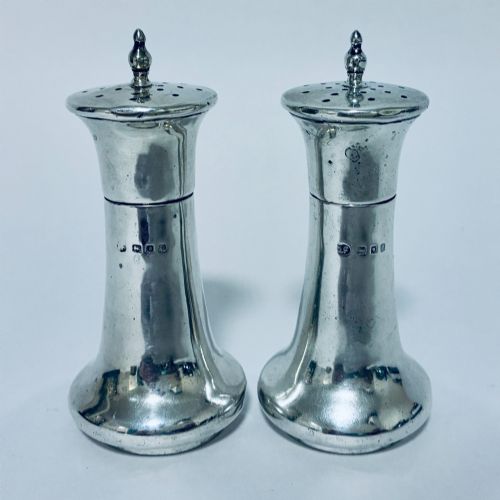
A silver caster shaker sits on the dining table to dispense sugar or dry condiments with pierced metal covers.
Silver Caster Shaker
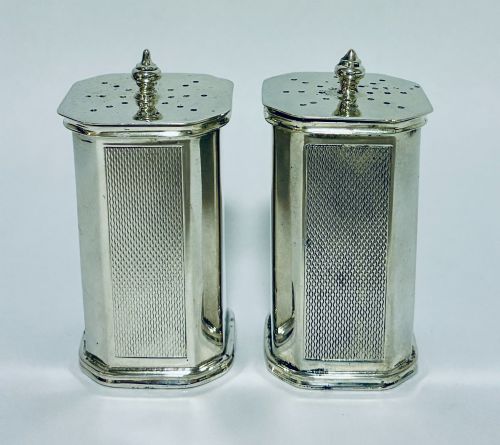
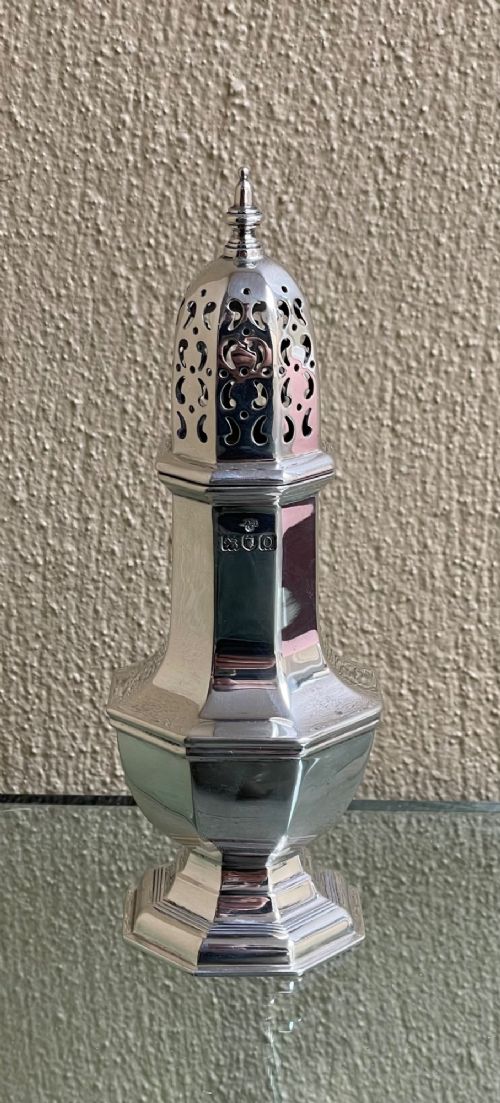
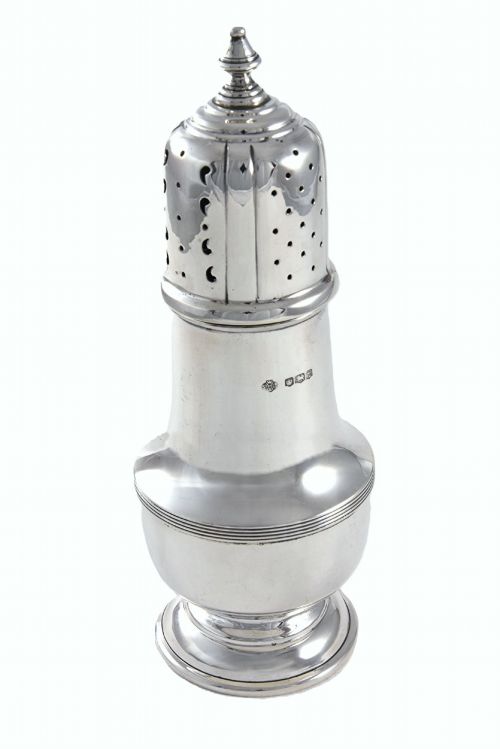
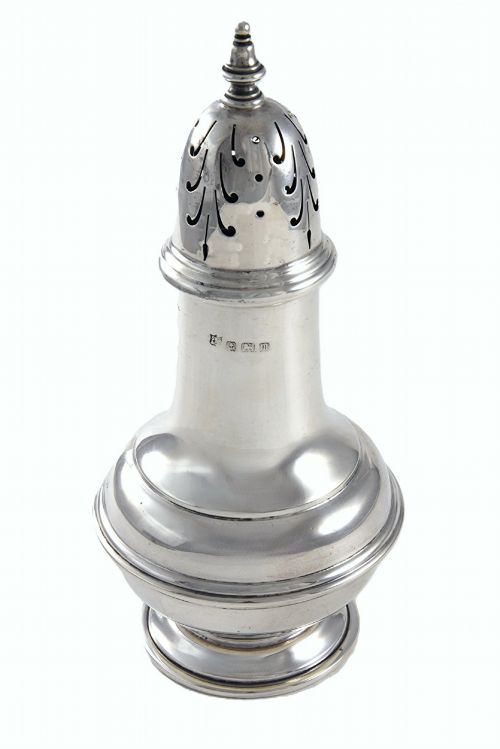
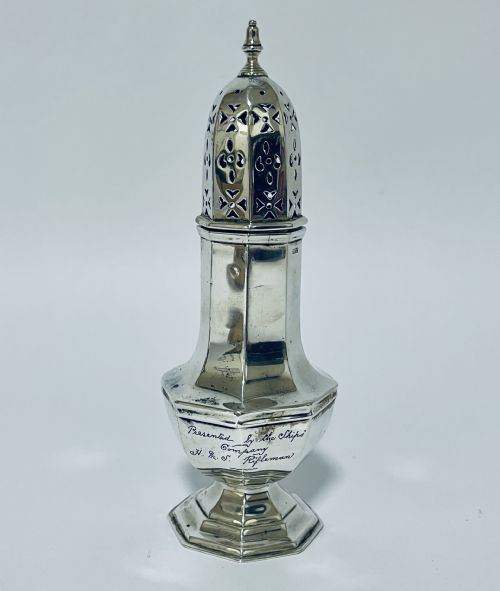
When searching for a silver caster shaker, a buyer encounters domestic tableware designed for sugar or spices, including tall muffineers, smaller pepper pots, and multi-bottle cruet sets. The selection spans the eighteenth century through the Victorian, Edwardian, and Art Deco periods, with pieces originating from English, Irish, and continental workshops.
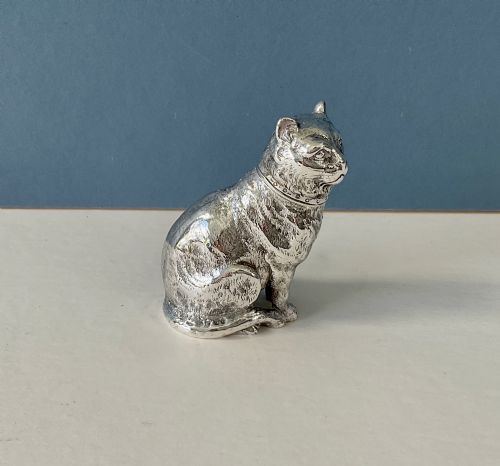
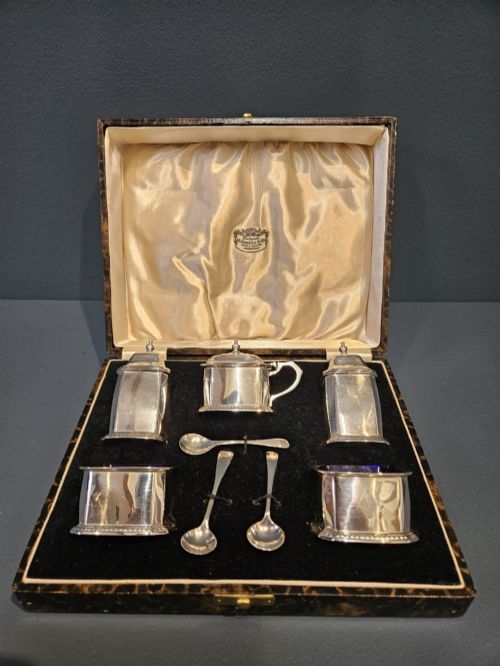
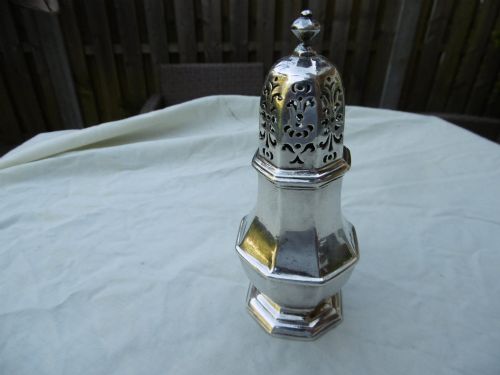
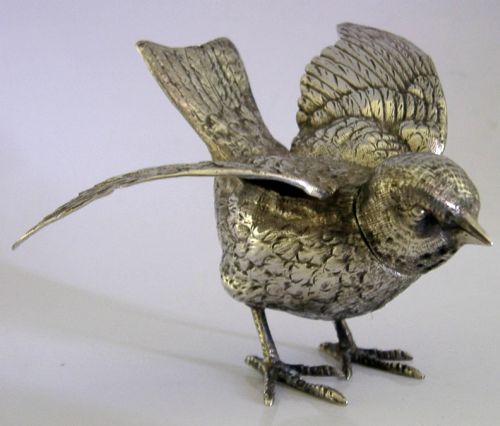
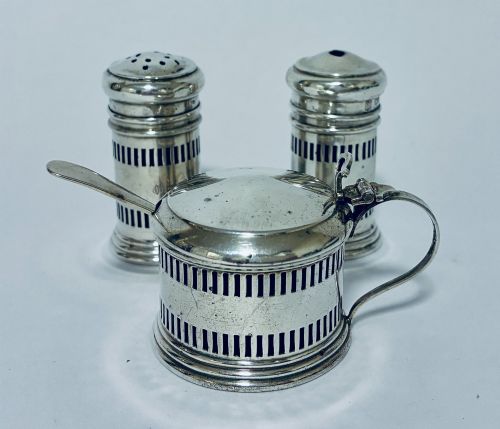
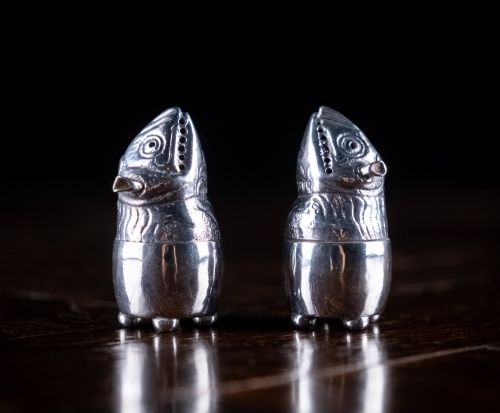
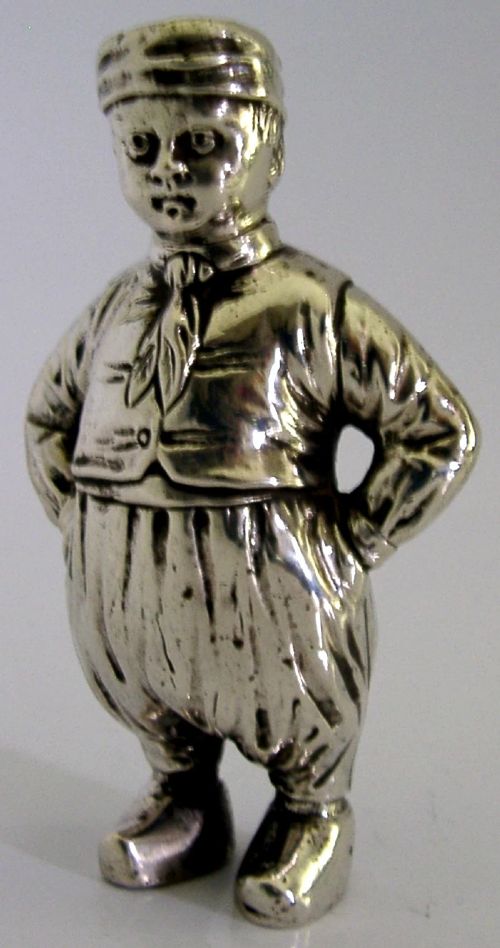
Tall sugar shakers with pierced lids appear frequently alongside novelty forms shaped as animals, birds, and grotesque figures. Cruet sets combine these shakers with glass bottles and condiment containers on fitted stands for the dining table.
Materials and Techniques
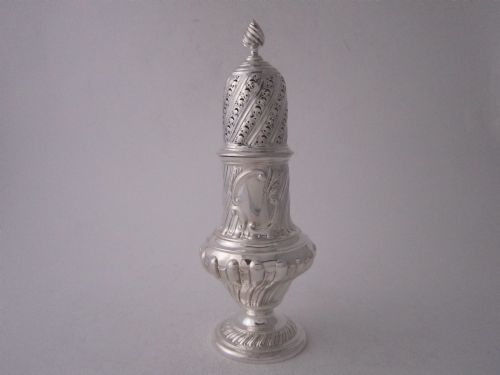
Metals form the core of these pieces, utilising sterling silver, solid silver, silver plate, and silver gilt alongside cut glass components and velvet linings. Silversmiths raised vessels from sheet metal or cast them in sections, incorporating screw-fit or push-on covers pierced with geometric or floral patterns.
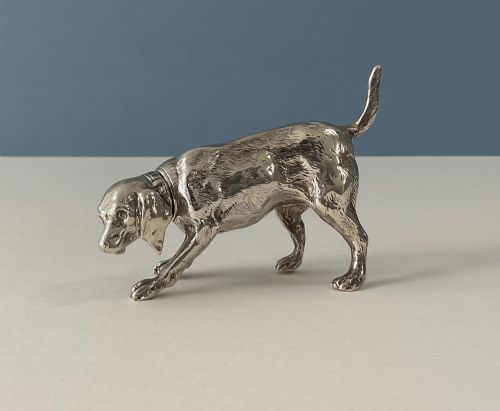
Makers applied chasing, engraving, and applied borders to shape surfaces, while novelty items utilised detailed casting to render feathers, fur, and facial expressions on animal figures.
Listings feature sterling silver sugar shakers alongside cut glass cruet sets, novelty animal pepper pots, and Georgian muffineers.
Evaluating Quality
The standard of a silver caster shaker rests upon the weight of the metal and the crispness of the piercing on the cover. Heavier gauge silver provides structural rigidity and prevents denting on the vulnerable pierced cap.
Execution of detail separates standard production from superior output, particularly in novelty models where hand-chased surface work defines the animal or human form. Maker marks and clear hallmarks also contribute to historical and collector interest.
Frederick Brasted·Stephen Adams·James Goodwin·Simon Pantin·Evald Nielsen·Horace Woodward·Roberts and Belk·Thomas Bamford·William Comyns
The Silver Caster Shaker Glossary
- Caster
- A small container with a perforated lid used for sprinkling sugar or spices onto food. These vessels date from the eighteenth century onwards in various heights.
- Muffineer
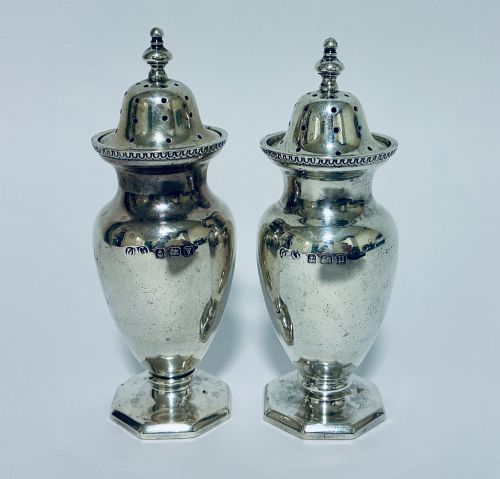
- A larger type of sugar caster specifically intended for dusting muffins or toast with fine sugar. They typically feature pear-shaped bodies and footed bases.
- Cruet set
- A matched assembly of condiment containers holding oil, vinegar, mustard, pepper, and sugar on a stand. These sets often combine cut glass bottles with silver mounts.
- Pounce pot
- A small shaker used to sprinkle sand or gum sandarac powder over freshly written ink to dry it. These containers resemble early spice casters.
- Hallmark
- An official stamp applied to precious metals indicating the purity, maker, assay office, and year of manufacture. British pieces carry distinct town and date marks.
Silver Caster Shaker: Frequently Asked Questions
What is the difference between a caster and a shaker?
A caster traditionally refers to a standing container with a removable pierced top used for sugar or dry condiments at the table. The term shaker is often used interchangeably for similar perforated vessels from later periods.
Both terms describe items functioning to dispense granular substances through pierced holes, though older eighteenth-century pieces are more commonly termed castors or muffineers.
How do I date an antique silver shaker?
Dating relies primarily on the hallmarks stamped into the metal, which include date letters corresponding to specific assay offices and years. Stylistic clues such as Georgian urn shapes, Victorian chasing, or Art Deco geometric lines also help determine the period.
Maker marks provide further context by linking the piece to active working dates of individual silversmiths or manufacturing firms.
Were these pieces used for sugar or pepper?
Larger vessels with tall bodies were designed for caster sugar, while smaller matching pairs or single pots held ground pepper and dry spices. Novelty animal pieces typically served as pepper pots with perforated heads.
Multi-bottle cruet sets incorporated dedicated compartments for both sugar shakers and condiment pots alongside mustard pots and oil cruets.
How should I clean silver table shakers?
Cleaning requires a soft cloth and a specialised silver polish formulated to remove tarnish without abrading the metal surface. Care must be taken around pierced lid patterns and engraved details to prevent polish residue from lodging in the perforations.
Pieces with glass liners or velvet elements require separate attention to avoid moisture damage to non-metal components.