



Silver Cake Plate
These silver cake plate options comprise baskets, stands, and servers spanning Georgian to Art Deco periods, offering functional elegance for modern tables.
Silver Cake Plate
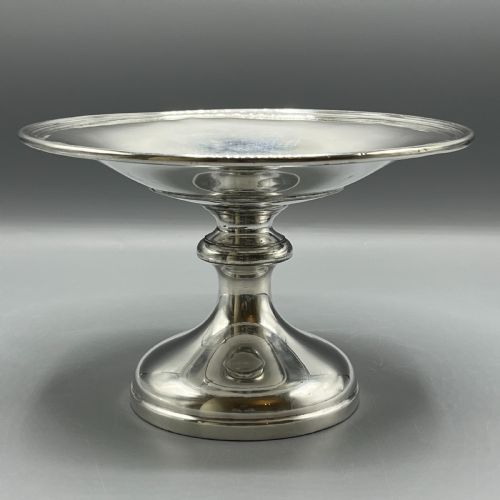
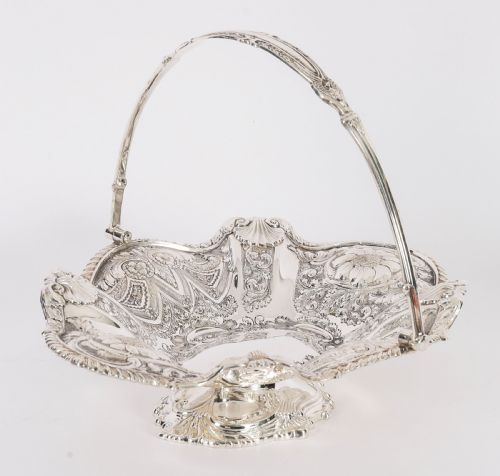
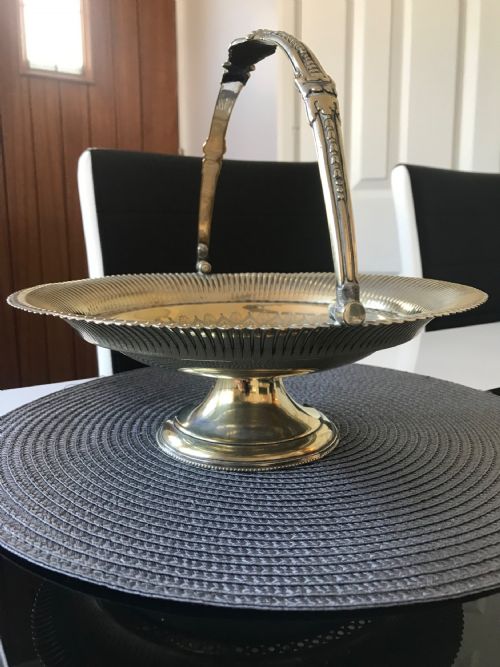
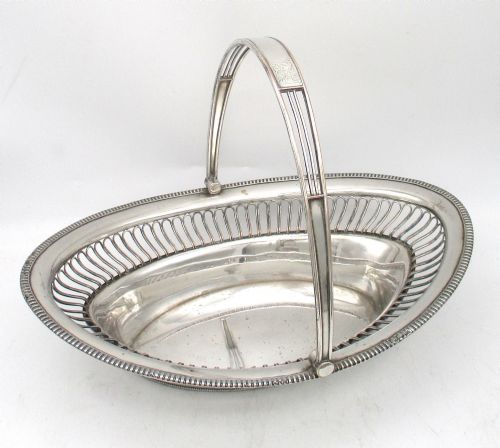
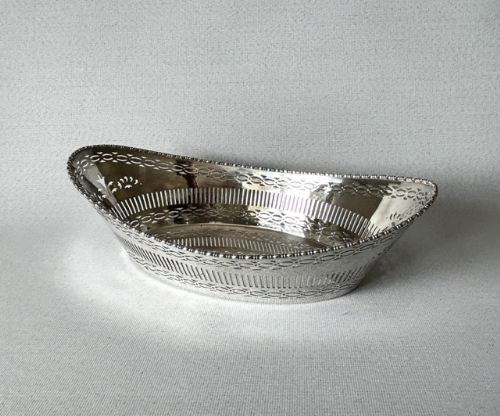
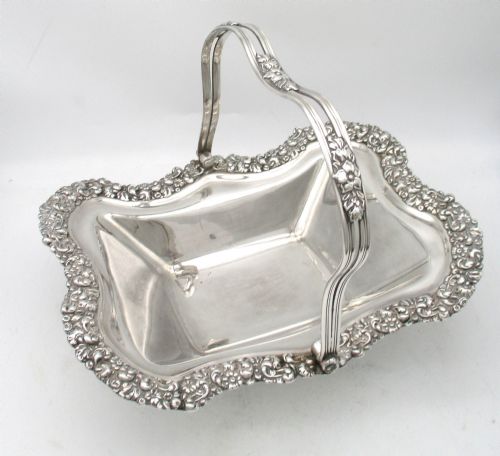
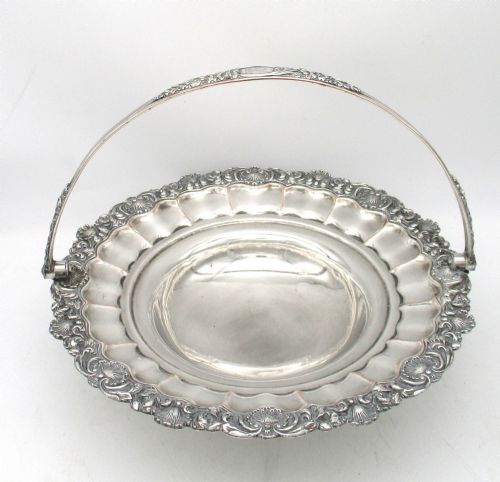
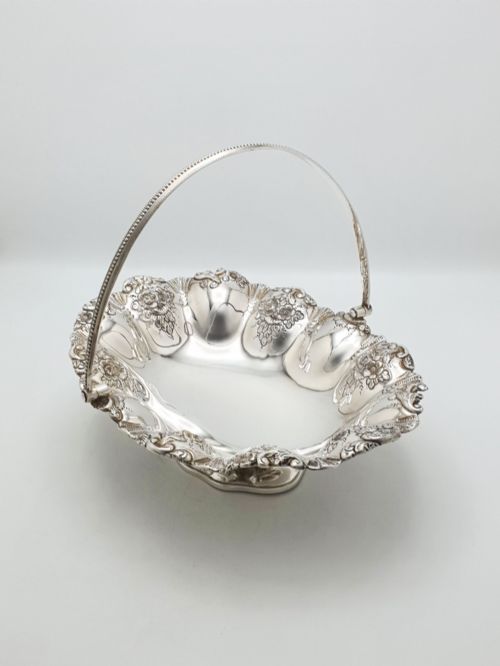
A silver cake plate search covers a diverse selection of serving vessels, including fruit baskets, cake stands, tazzas, and bread baskets. These objects primarily date from the nineteenth and early twentieth centuries, encompassing Victorian, Edwardian, Georgian, and Art Deco styles.
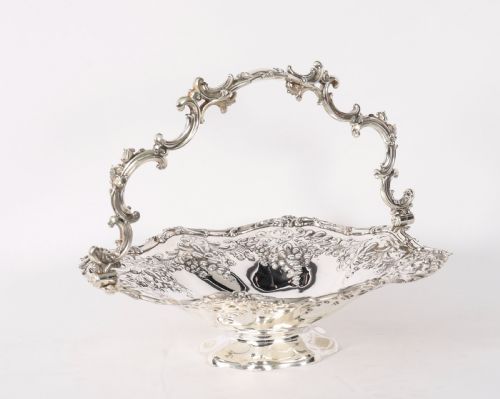
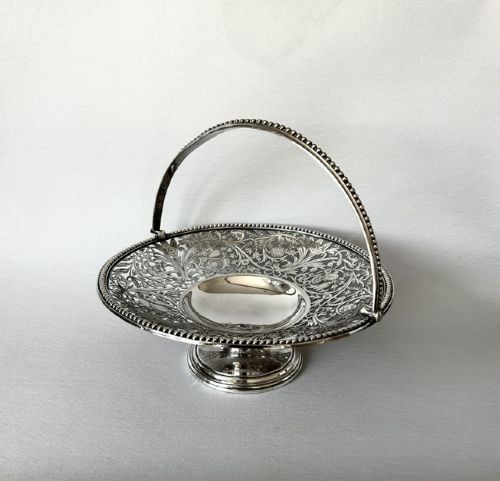
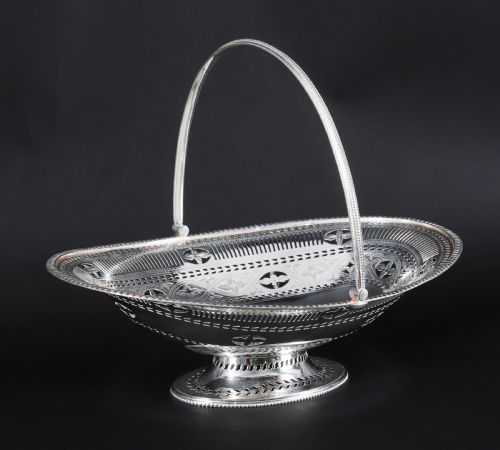
Buyers will most frequently encounter silver plated baskets and cake stands featuring swing handles, pierced rims, or repoussé decoration. Forms range from wirework baskets of the early nineteenth century to substantial pedestals and tiered stands from the Edwardian and Art Deco eras.
How they were made
Construction relies heavily on silver plate, Old Sheffield plate, and electroplated nickel silver over base metals like copper. Artisans employed wirework techniques, piercing, and floral repoussé work to ornament the rims and bodies of these serving dishes.
Certain pieces integrate contrasting materials such as opaline glass and fabric alongside silver plating. Makers utilised specialised plating methods to bond silver layers to base metals, creating durable items designed for domestic hospitality.
Silver Cake Plate Retail Price Guide 2026
Typical asking prices for silver cake plate among the pieces listed under this phrase on Sellingantiques today, from the lower quarter to the upper quarter. They describe what is for sale here now, not the wider market.
What varies in quality
Quality separates through the crispness of chased and pierced decoration, the complexity of wirework structures, and the preservation of the original plated surface. Pieces exhibiting detailed neo-classical motifs or fine repoussé rims demonstrate superior craftsmanship.
The integration of maker marks from established firms and the inclusion of original fitted boxes indicate higher status production. Structural integrity in swing handles and the weight of the underlying metal further distinguish utilitarian items from fine display pieces.
George W. Scott And Sons Ltd·Mappin And Webb·Elkington·James Dixon
The Silver Cake Plate Glossary
- Old Sheffield Plate
- A fused composite material made by melting a sheet of silver to a thicker copper ingot. This technique was widely utilised before the invention of electroplating.
- EPNS
- Electroplated Nickel Silver, a common base material used for nineteenth and twentieth-century tableware. A layer of pure silver is deposited onto a nickel brass alloy via electrolysis.
- Tazza
- A shallow bowl or plate mounted on a pedestal foot, used for serving fruit or small cakes. These pieces often serve as central table ornaments.
- Repoussé
- A metalworking technique where the artisan hammers the design from the reverse side to create a raised pattern in relief. It frequently decorates Victorian and Edwardian baskets.
- Wirework
- An openwork structure formed from soldered metal wires, popular in eighteenth and early nineteenth-century baskets. This method creates lightweight yet rigid framework vessels.
Silver Cake Plate: Frequently Asked Questions
What is a silver cake plate?
A silver cake plate typically refers to elevated stands, tazzas, or handled baskets designed for presenting baked goods and fruit. These items encompass varied forms from pedestal serving dishes to wirework cake baskets.
Such vessels served a central role in formal hospitality and afternoon tea traditions across the Georgian, Victorian, and Edwardian periods.
How were these baskets used?
These pieces functioned primarily for presenting bread, fruit, cakes, and confectionery during formal dining and drawing-room gatherings. Swing handles allowed servants to pass the vessels easily among seated guests.
Later Edwardian and Art Deco examples also served as decorative display pieces or wedding table centrepieces.
How do I identify Old Sheffield plate?
Old Sheffield plate can often be identified by observing subtle traces of copper showing through wear points along edges where the thin silver layer has thinned. The wirework construction and heavier copper core distinguish it from later electroplated wares.
Items produced by this method generally date from the eighteenth to the mid-nineteenth century.
How do I care for silver plated tableware?
Care requires gentle cleaning with non-abrasive silver polishes and soft cloths to preserve the underlying plated surface. Avoid harsh chemical dips that can strip electroplated layers or damage applied copper substrates.
Store pieces in dry environments, utilising tarnish-resistant wraps when not on display.