


Silver Brooch Pin
When you search for a silver brooch pin, you enter a diverse world of fastened ornaments spanning Georgian pebble work to mid-century Scandinavian enamel.
Silver Brooch Pin
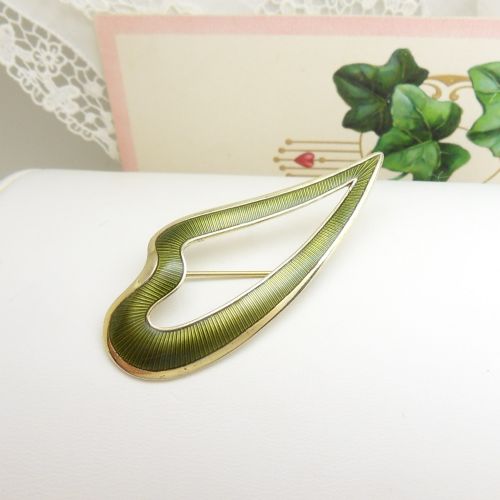
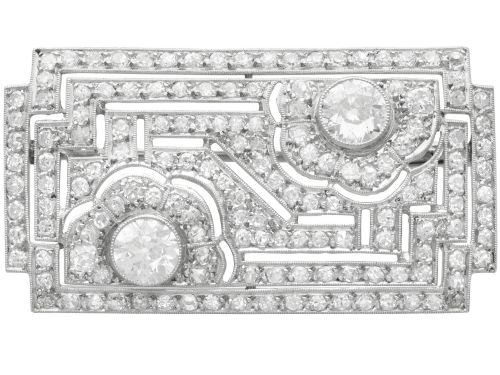
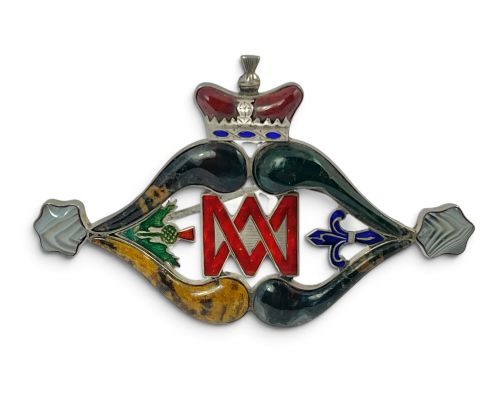
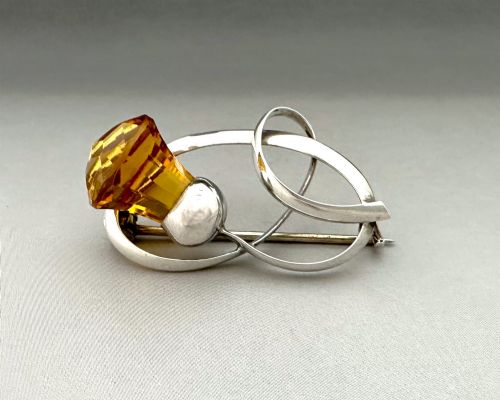
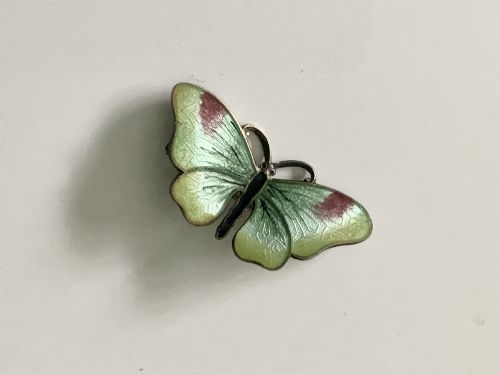
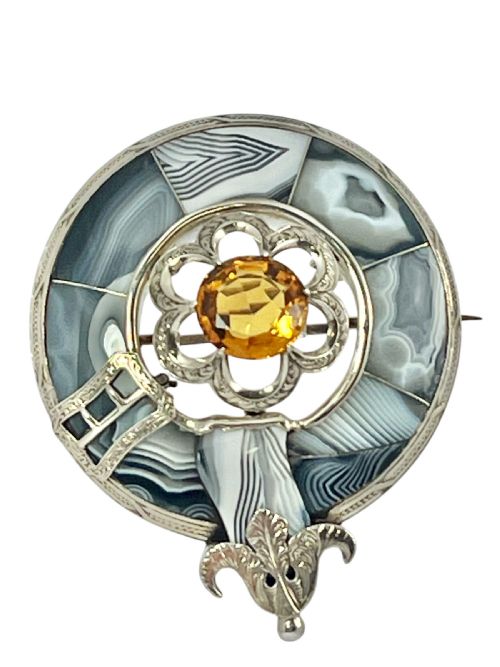
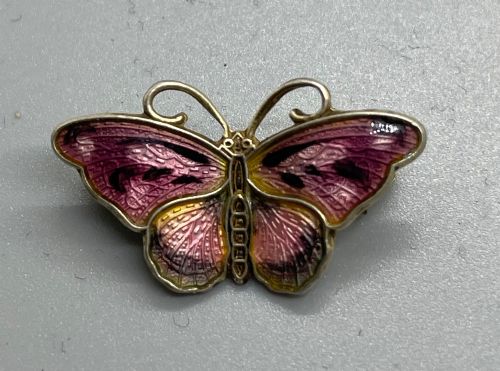
A silver brooch pin functions as both a functional garment fastener and a decorative ornament, appearing in numerous styles across multiple centuries. Buyers searching this phrase encounter Victorian Scottish pebble pieces, Art Deco bar designs, and vibrant mid-century Scandinavian enamel butterflies.
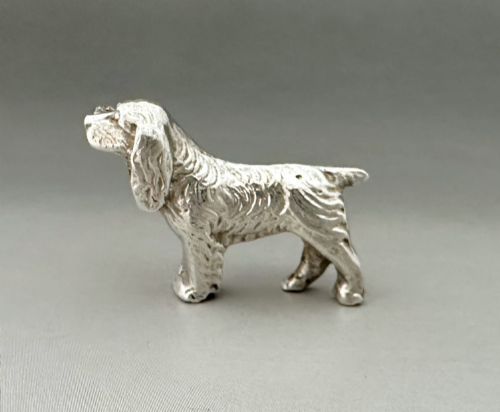
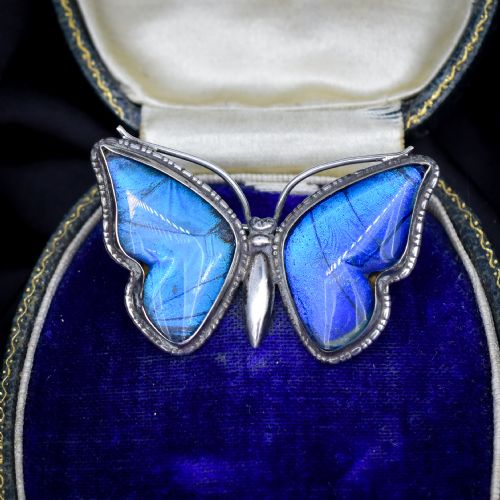
The pieces on this page range from early nineteenth-century Georgian moss agate and turquoise specimens to 1960s silver gilt and marcasite animals. Animal forms, botanical motifs, and geometric bar configurations dominate the selection.
Originating from British, Scandinavian, and continental workshops, these items include traditional kilt pins, hat pins, and dress fastenings. The surviving examples demonstrate how changing aesthetic movements adapted the humble silver pin into miniature works of art.
How They Were Made
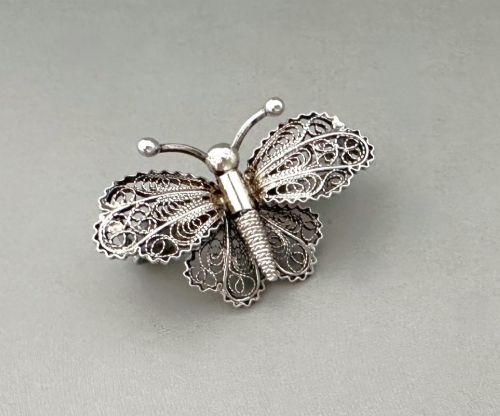
Silversmiths utilised sterling and silver gilt bases, shaping the metal through casting, filigree wirework, and hand-beating. Marcasite stones, pastes, and natural gemstones like agates, citrines, and moonstones were then set into the frames.
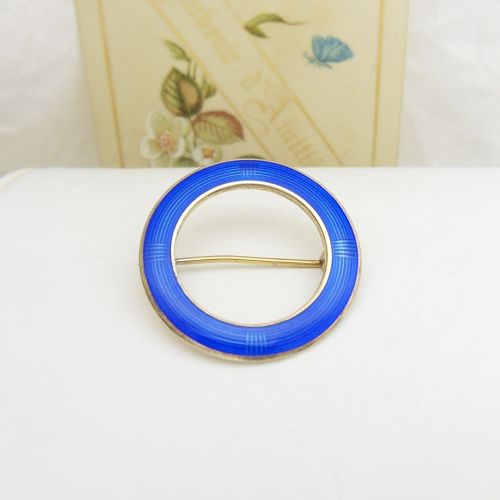
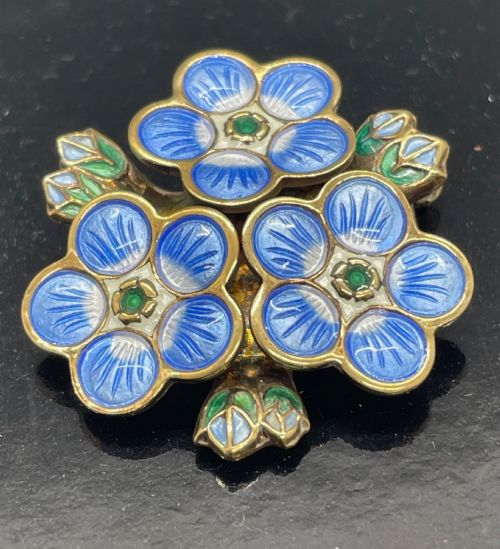
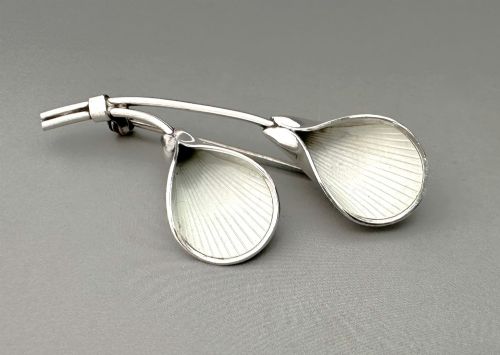
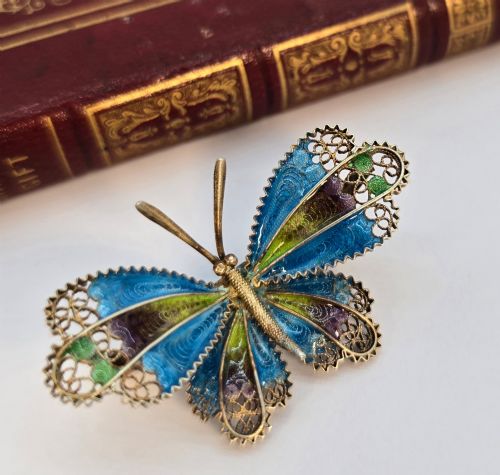
Enamelling techniques, particularly translucent guilloche over engine-turned metal grounds, define many mid-century Scandinavian pieces. Vitreous enamel was fused to silver surfaces by heat, creating rich colour gradients on floral and insect motifs.
Listings feature silver brooch pins spanning the Georgian, Victorian, Edwardian, Art Deco, and mid-century eras, incorporating natural stones and vitreous enamel.
What Varies in Quality
The distinction between ordinary and exceptional pieces lies in the crispness of the metalwork and the depth of the decorative materials. Hand-cut stones, precise guilloche patterns, and intact enamel without chipping represent superior manufacturing standards.
Makers' marks and assay office stamps add provenance and verifiable pedigree to individual items. Workshop signatures from renowned designers elevate standard silverwork into collectible artefacts of specific historical periods.
Aksel Holmsen·Hroar Prydz·Charles Horner·Anton Michelson·Volmer Bahner
The Silver Brooch Pin Glossary
- Guilloche enamel
- Enamel applied over a metal surface that has been machine-engraved with an intricate geometric pattern. This technique creates shimmering light effects beneath translucent coloured glass.
- Marcasite
- Small, faceted pieces of iron pyrite polished and set closely together into silver mounts. The stones sparkle like tiny diamonds under candlelight.
- Paste
- Hand-cut lead glass used to imitate gemstones in antique jewellery. High-quality paste stones are foiled at the back to enhance their internal reflection.
- Silver gilt
- Silver that has been coated with a thin layer of gold, often referred to as vermeil. This treatment provides the warmth of gold combined with the structural properties of silver.
- Agate
- A common rock form consisting-of cryptocrystalline quartz, frequently utilised in nineteenth-century Scottish pebble jewellery. Natural banding creates unique patterns within each polished stone.
Silver Brooch Pin: Frequently Asked Questions
How do I wear a silver brooch pin?
These pieces attach securely to heavy knitwear, lapels, scarves, and traditional tartan garments using integrated pin stems and C-clasps or safety catches. They serve as functional closures for shawls as well as purely decorative accents on modern coats.
Heavier Scottish pebble and agate specimens require sturdy fabrics to support their weight without sagging. Lighter enamel butterfly and floral designs suit delicate silks and cottons when pinned through reinforced areas.
Are these items made of solid silver?
The majority of pieces utilise sterling silver, standard continental silver grades, or silver gilt over a silver base. Hallmarks and maker stamps frequently appear on the reverse to confirm the metal purity.
Some vintage items feature specific purity designations stamped directly into the metal frame. Testing methods applied by dealers verify the silver content prior to listing.
How do I date a silver brooch pin?
Stylistic indicators such as Art Deco geometric lines, Victorian naturalistic motifs, or mid-century Scandinavian minimalist enamel provide initial chronological clues. Specific pin mechanisms, like simple C-clasps on older pieces versus rolling safety catches on later ones, help establish age.
Assay office marks, registration numbers, and known maker attribution narrow the date of manufacture further. Comparing material combinations like moss agate with Georgian settings or bright guilloche with 1950s Scandinavian work clarifies the period.
How should I clean silver and enamel?
Gentle cleaning with a soft, dry microfiber cloth removes everyday dust and skin oils from silver surfaces without damaging delicate stones or enamel. Harsh chemical dips ruin enamel and dislodge glued stones.
Professional jewellers can assess pieces requiring deeper restoration or ultrasonic cleaning. Storing items in dry, anti-tarnish compartments prevents future oxidation.