



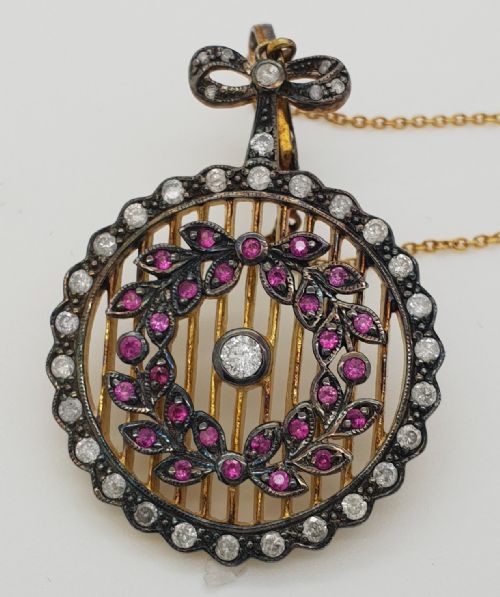


Silver Bow Pendant
These silver bow pendant designs capture delicate grace in precious metal, offering the refined charm collectors prize.
Silver Bow Pendant
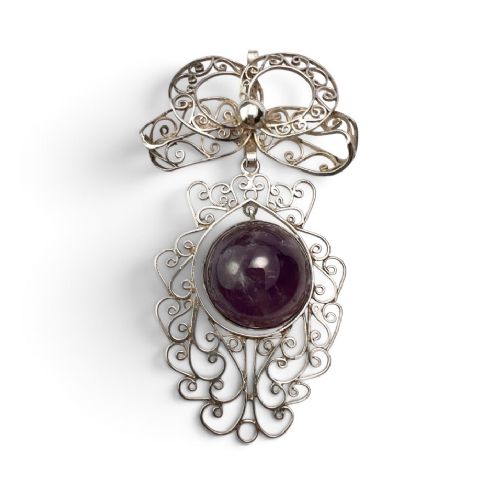
A silver bow pendant embodies the ornamental taste of the late nineteenth and early twentieth centuries, capturing ribbon motifs in precious metal. These pieces frequently double as brooches, reflecting the versatile jewellery design of their respective eras.
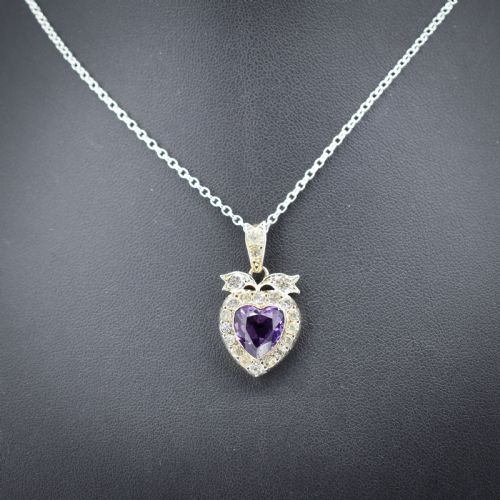
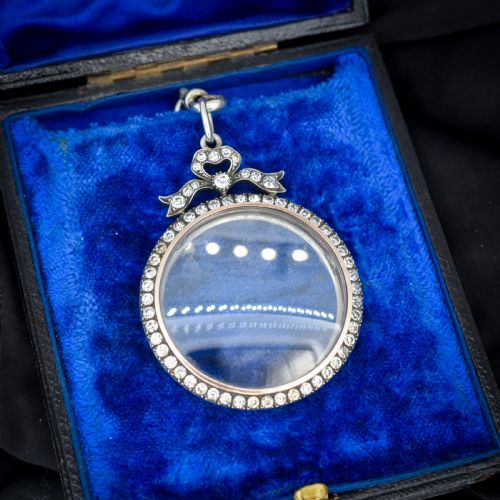
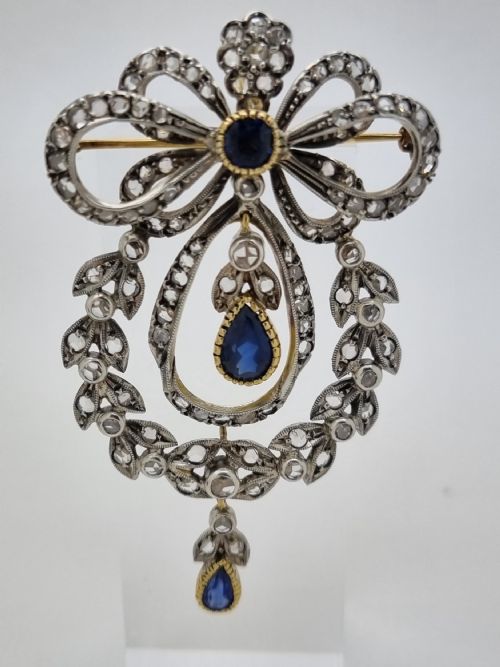
The selections available here span the Victorian, Edwardian, and mid-twentieth-century periods, showcasing how jewellers interpreted the looped ribbon form. Edwardian iterations frequently incorporate gemstones or paste glass alongside diamonds, while earlier Victorian examples lean toward rich stones and pebble agate.
Buyers will encounter various configurations, from simple articulated ribbons to elaborate drops featuring central gems like amethyst, sapphire, and ruby. The frequent fusion of pendants with brooch fittings demonstrates the practical multi-functionality valued by historical wearers.
How they were made
Silversmiths constructed these pieces using sterling or higher-purity silver, often mounting the metal over gold in traditional dual-metal techniques. Filigree work appears alongside cast and chased ribbon forms, showing meticulous manual dexterity.
Gemstones and paste glass were hand-set in closed or open-backed mounts, utilising old-cut diamonds and foil-backed stones to maximise candlelight sparkle. Enamel work and delicate drops added polychromatic depth to the articulated metal loops.
Silver Bow Pendant Retail Price Guide 2026
Typical asking prices for silver bow pendant among the pieces listed under this phrase on Sellingantiques today, from the lower quarter to the upper quarter. They describe what is for sale here now, not the wider market.
Victorian Scottish jewellers occasionally snuck actual river pearls into their agate pebble arrangements, giving Highland romance a delightfully murky provenance.
What varies in quality
The sophistication of the metalwork largely dictates the standard of a silver bow pendant, distinguishing fluid, hand-forged ribbon folds from rigid stampings. Superior pieces retain crisp articulation in their joints and delicate wirework without clumsy solder marks.
Stone selection creates another clear division, separating high-grade natural sapphires, rubies, and old-cut diamonds from simple paste glass inserts. The integrity of the original settings and the survival of delicate enamel or gold backing significantly elevate the piece.
The Silver Bow Pendant Glossary
- Old-cut
- A diamond cutting style prevalent before the modern brilliant cut was standardised. These stones feature smaller tables and deep pavilions designed to catch ambient light.
- Filigree
- Delicate jewellery-making technique using fine threads of gold or silver soldered together. It creates intricate openwork patterns resembling lace.
- Lavalier
- A necklace featuring a pendant that drops below the main chain line, often terminating in a swinging tassel or gemstone fringe. Popularised during the Edwardian period.
- Pebble agate
- Hard stones cut and polished into geometric or natural shapes, heavily favoured in Scottish Victorian jewellery. They are typically mounted tightly within silver bezels.
Silver Bow Pendant: Frequently Asked Questions
Are these pendants or brooches?
Many historical bow ornaments were constructed with dual-purpose fittings, featuring both a hidden suspension loop and a pin back. This allowed the wearer to pin the piece to a bodice or suspend it from a chain.
Collectors today often utilise converters to wear these convertible items safely as necklaces without damaging historical pin mechanisms.
How do I date a silver bow pendant?
Dating relies heavily on material composition, gemstone cuts, and stylistic clues inherent to the mounting techniques. Edwardian pieces often display airy platinum-topped silver or delicate paste work, while Victorian versions favour heavier pebble agate or rich gold accents.
Examining the clasp type and construction of the pin hinge also provides reliable clues to the exact decade of manufacture.
What is 980 silver?
The 980 silver standard indicates a higher silver purity than standard sterling, containing ninety-eight parts pure silver per thousand. This higher grade is particularly characteristic of mid-century Taxco silversmithing.
Items bearing this mark offer a brighter metallic lustre and greater malleability for intricate filigree work.
How should I care for antique silver jewellery?
Antique silver requires gentle handling to preserve original patinas, delicate foil-backed stones, and fragile paste settings. Harsh chemical dips should be avoided entirely, as they strip the aged oxidation from recessed details and damage soft organic gems.
Storage in dry, tarnish-resistant pouches prevents unnecessary oxidation and protects articulated joints from accidental bending.