





Silver Barware Cup
When you handle a silver barware cup, you hold a tangible piece of historical drinking culture spanning from the Victorian era to the mid twentieth century.
Silver Barware Cup
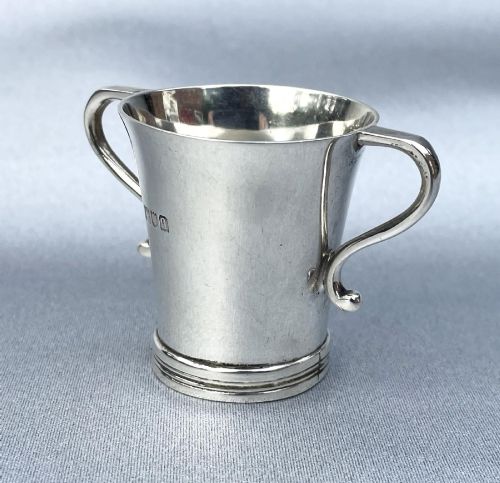
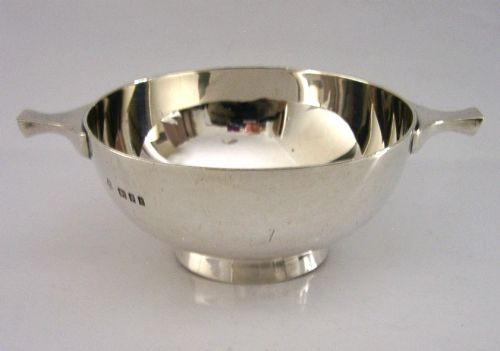
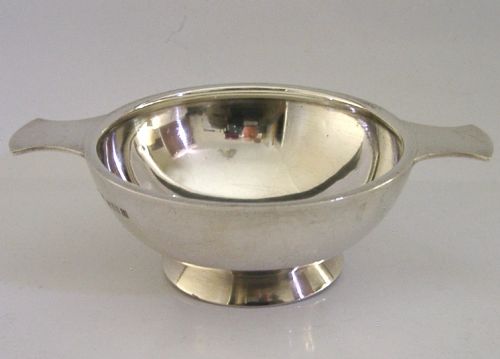
A silver barware cup encompasses a diverse array of historical drinking vessels, including goblets, beakers, tot cups, and spirit flasks designed for social entertaining and personal use. These items emerge from various periods, notably the Victorian, Edwardian, and Art Deco eras, reflecting shifting styles in domestic hospitality.
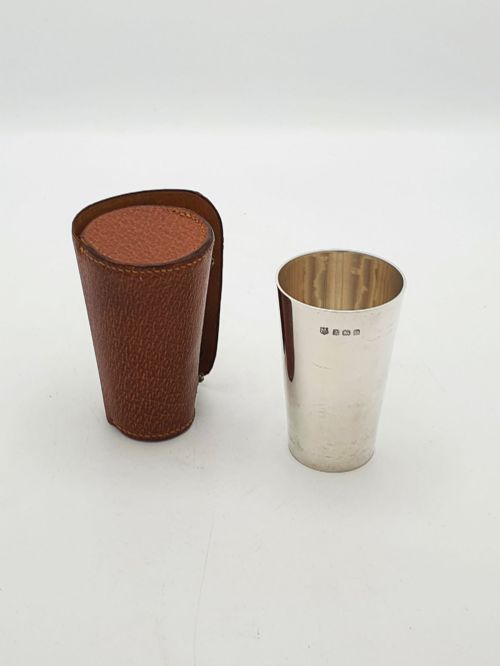
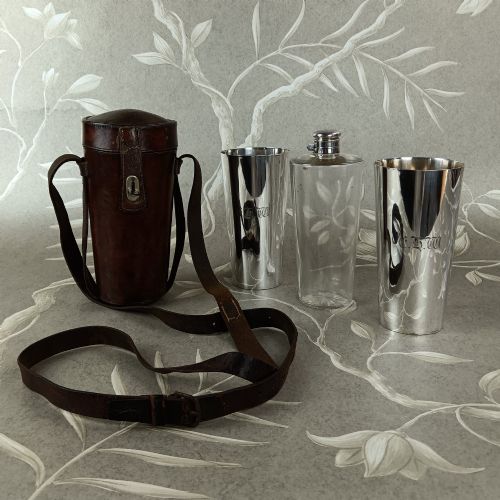
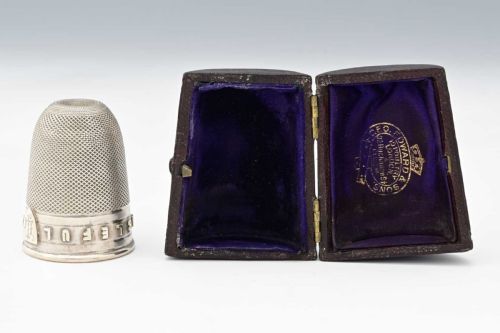
The selection ranges from heavy sterling silver presentation pieces and cased cocktail sets to novelty items like thimble-shaped tot cups and leather-bound travel flasks. English, French, German, and Russian silversmiths contributed to this rich category, producing both utilitarian bar items and decorative display vessels.
How they were made
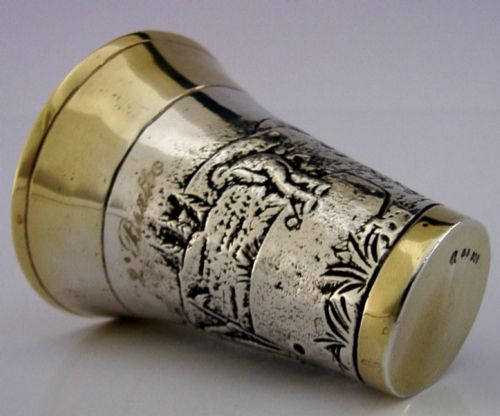
Silversmiths utilised sterling silver, 800 silver, and silver plate, often combining metal with cut glass, crystal, crocodile leather, and velvet to create textured contrast. Many items incorporate parcel-gilt interiors or hammered finishes executed by hand.
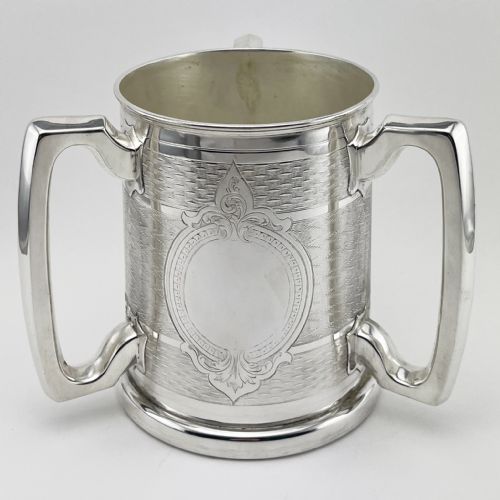
Techniques varied from simple sheet metal forming and spinning for standard beakers to intricate chasing, engraving, and casting for novelty and presentation pieces.
Silver Barware Cup Retail Price Guide 2026
Typical asking prices for silver barware cup among the pieces listed under this phrase on Sellingantiques today, from the lower quarter to the upper quarter. They describe what is for sale here now, not the wider market.
The archive includes Russian, French, German, and English silver barware cups spanning the late nineteenth and mid twentieth centuries.
What varies in quality
The calibre of a piece depends on the weight of the metal, the crispness of any hand-engraved or hammered detail, and the integrity of internal gilt washes. Maker marks and clear hallmarks from regional assay offices also distinguish workshop standards.
Completeness dictates value in sets, such as fitted cocktail shakers with matched beakers or leather hip flasks retaining their original removable silver cups.
James Dixon And Sons·Asprey London·W A Ellwick Ltd·Aleksandr Timofeyevich Shevyakov·Maison Barra·St Medard Paris·Sidney Beddall Ambleside·Juwelier Hansen
The Silver Barware Cup Glossary
- Goblet
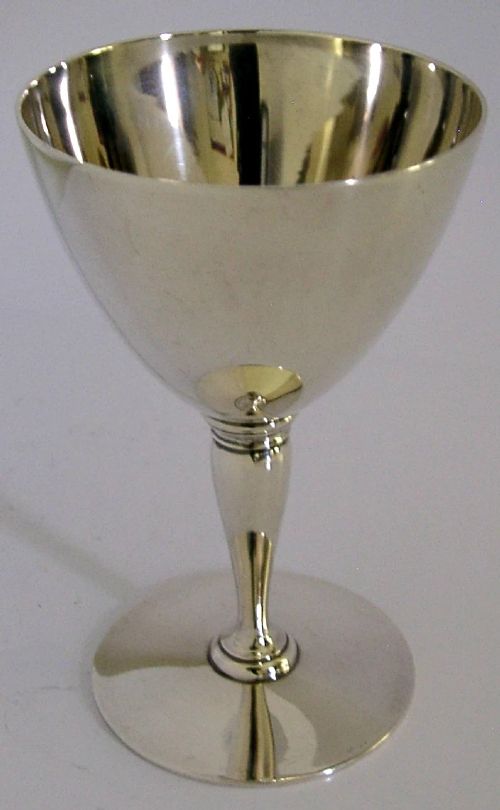
- A drinking vessel on a stem and foot, commonly produced in sterling silver during the Victorian and later periods. These often served ceremonial or display functions alongside table use.
- Beaker
- An open-mouthed cylindrical drinking cup without a handle, found in solid silver and silver plate. They date across multiple centuries and international workshops.
- Hip Flask
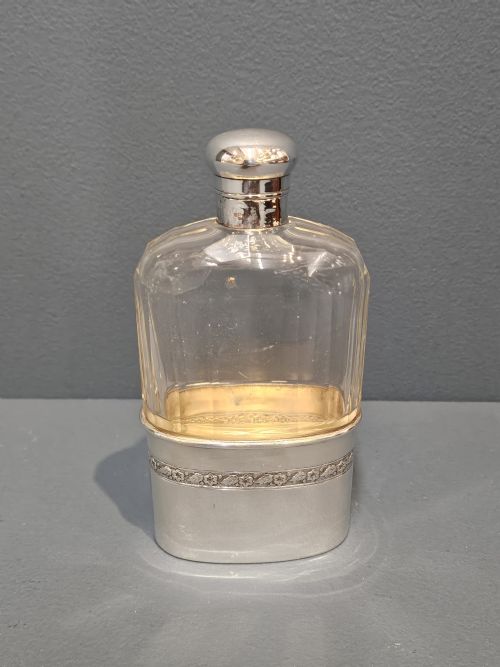
- A pocket-sized container for holding liquor, frequently wrapped in leather or fitted with a detachable cup at the base. Victorian and Edwardian examples often incorporated hammered finishes.
- Parcel-Gilt
- A metal object where parts, usually the interior of a cup or goblet, receive a thin coating of gold while the rest remains silver. This technique protected the metal from acidic drinks.
- Tot Cup
- A small drinking vessel intended for a single measure of spirits, sometimes fashioned in novel forms like giant thimbles. They appear frequently in twentieth-century barware.
Silver Barware Cup: Frequently Asked Questions
What is a silver barware cup used for?
These vessels served for drinking wine, spirits, and cocktails at the table or during travel. Many functioned as personal pocket flasks or decorative presentation pieces.
They range from utilitarian shot glasses to elaborate ceremonial goblets used in formal domestic settings.
How do I date a silver cup?
Assay office hallmarks, date letters, and maker stamps stamped directly onto the silver provide the most accurate dating evidence. Stylistic indicators like Art Deco geometric lines or Victorian chased decoration also help narrow the period.
Unmarked silver plate or foreign pieces rely on manufacturing style and accompanying retailer documentation.
Are these cups safe for drinking?
Solid sterling silver and silver plate are traditional materials for drinking vessels and remain stable for use with beverages. Many historic cups feature internal gilt washes designed to prevent direct contact between alcohol and the underlying metal.
Checking for structural integrity and cleanliness ensures modern utility.
How do I care for antique silver barware?
Regular gentle washing with warm soapy water and drying with a soft cloth preserves the metal surface. Avoid harsh abrasive cleaners that can wear away thin silver plate or antique hand-chased details.
Stored properly, silver develops a natural patina over time that enhances its historical character.