
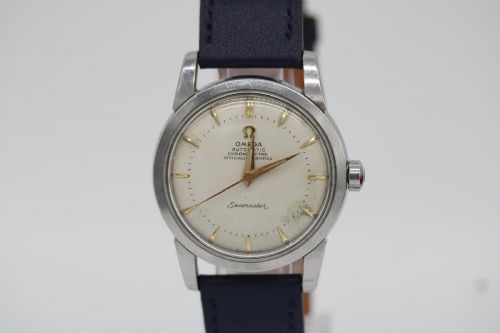
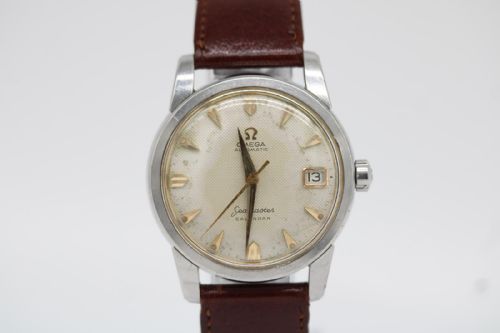
Silver Automatic Wrist Watch
A silver automatic wrist watch brings mid-century engineering to the wrist, offering reliable self-winding movement housed in steel.
Silver Automatic Wrist Watch
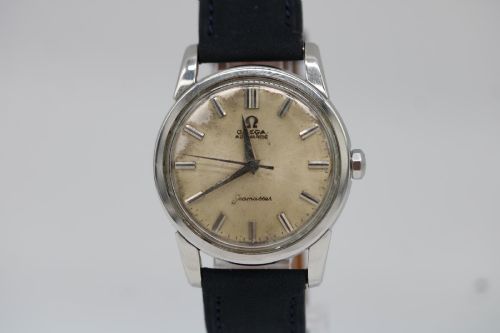
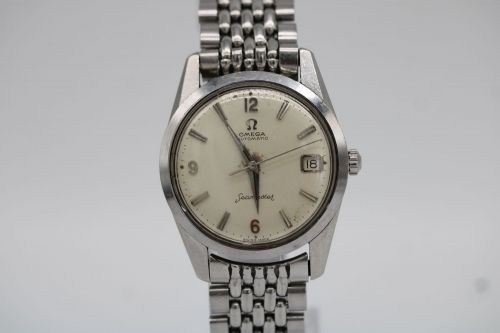
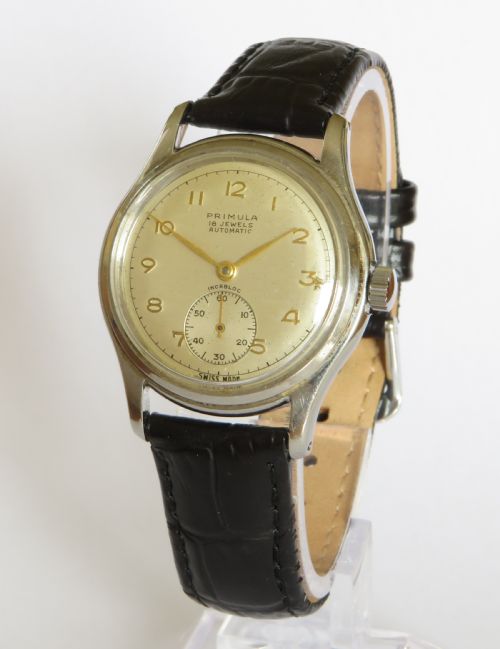
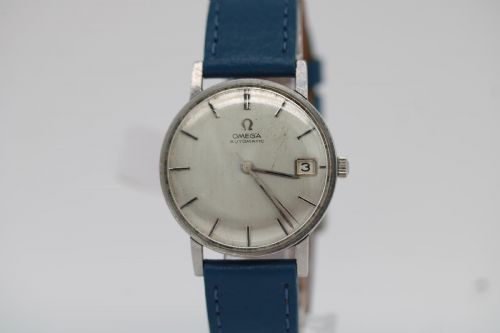
A silver automatic wrist watch represents a mid-century horological staple, typically taking the form of a gents timepiece from the 1950s or 1960s. These pieces combine mechanical self-winding movements with robust metal cases, reflecting the design sensibilities of Mid-Century Modern styling.
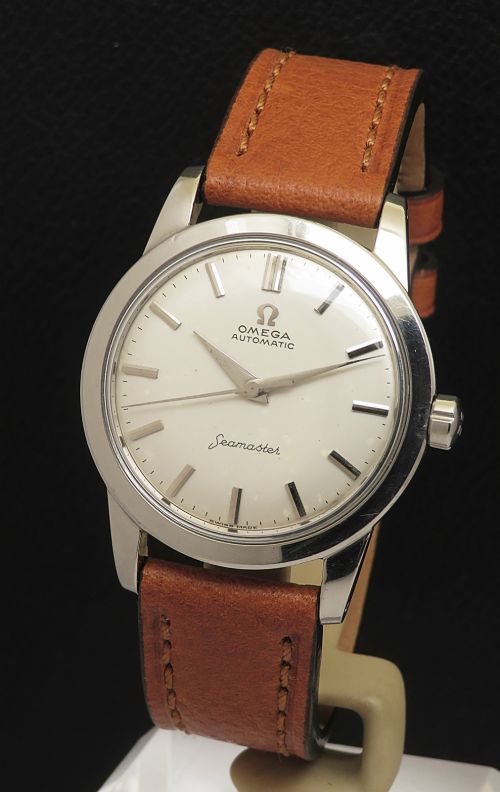
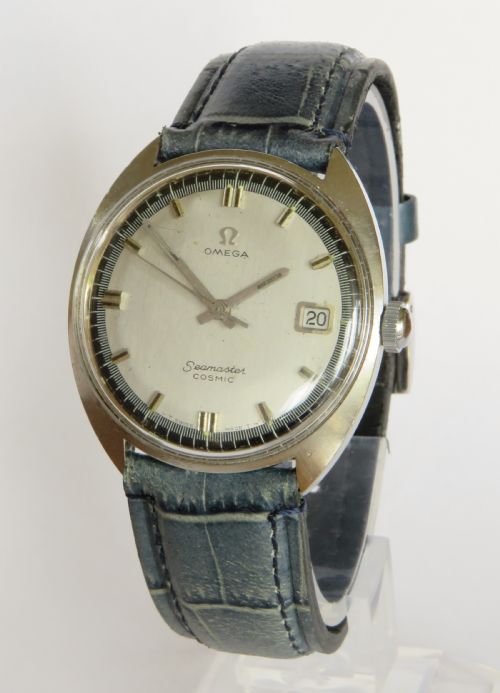
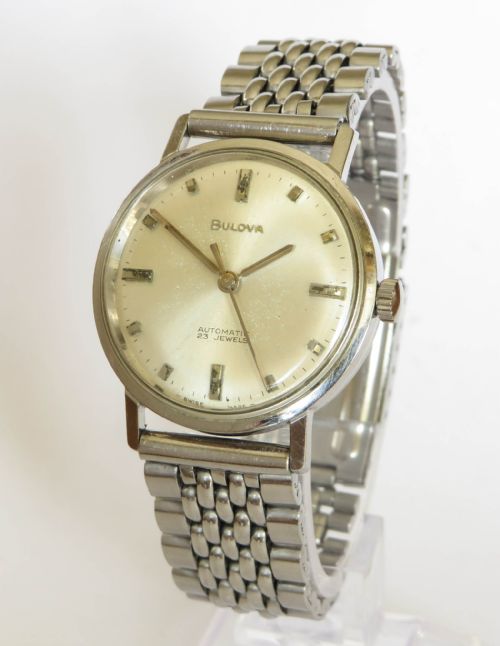
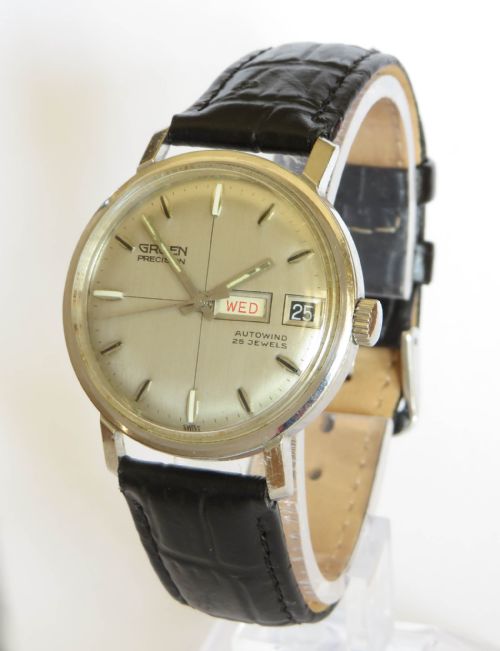
The versions most commonly met on this page are gentlemens wristwatches produced by prominent makers such as Omega, alongside examples by Bulova, Gruen, Primula, and Tudor. They frequently feature practical layout elements like calendar functions, day-date displays, or distinctive honeycomb and patinated dials.
How silver automatic wrist watches were made
The construction relies heavily on stainless steel for the watch cases, providing durable housing for the automatic calibres within. Dials and crystals incorporate acrylic, acrylic glass, and standard glass to protect the face while maintaining clear legibility.
Strap components utilise leather to secure the watch to the wrist, balancing the cool metallic tones of the stainless steel case. The internal mechanisms depend on precision auto-wind engineering, utilising the natural motion of the wearer to keep the watch powered.
What varies in quality in silver automatic wrist watches
The distinction between standard examples and top-tier pieces often rests on the complexity of the internal movement and the specific calibre utilised. Variations in dial preservation, such as original honeycomb textures or naturally patinated surfaces, also influence the standing of an individual watch.
Casing proportions and reference specifications play a role in characterising the grade of the piece, with certain chronometer-certified models representing higher tiers of production. Maker attribution further shapes the distinction, as established houses command specific regard for their engineering standards.
Omega·Bulova·Gruen·Primula·Tudor
The Silver Automatic Wrist Watch Glossary
- Automatic
- A self-winding mechanical movement that uses a weighted rotor to wind the mainspring through the natural motion of the wrist.
- Calibre
- The specific internal movement designation or model created by the watch manufacturer.
- Chronometer
- A high-precision watch movement that has passed official accuracy tests over several days in various positions and temperatures.
- Acrylic glass
- A lightweight, shatter-resistant synthetic material used for the protective cover over the watch dial.
Silver Automatic Wrist Watch: Frequently Asked Questions
How do automatic wrist watches work?
Automatic watches wind themselves using the kinetic energy generated by the movement of the wearer's wrist throughout the day. A weighted internal rotor spins with everyday motions, tightening the mainspring automatically.
This mechanical innovation removes the need for daily manual winding, provided the watch is worn regularly to maintain its power reserve.
What size are vintage automatic watches?
Most mid-century watches typically measure around thirty-four to thirty-five millimetres in case diameter. These proportions reflect the standard sizing conventions of the 1950s and 1960s eras.
While modest by modern standards, this scale offers a classic, understated profile suitable for everyday wear on the wrist.
How do I date a vintage watch?
Dating these timepieces involves examining reference numbers, case back markings, and internal movement serial numbers. Different manufacturers kept detailed production ledgers linked to specific calibres.
Comparing these numbers against historical records allows collectors to determine the precise year of manufacture for pieces from the mid-twentieth century.
Are these watches suitable for daily wear?
These watches were originally built for everyday utility, utilising durable stainless steel cases and reliable mechanical movements. Living with them involves regular wearing to keep the self-winding mechanism active.
Care should be taken around water and moisture, as vintage pieces often lack modern waterproofing seals and require gentle handling.