



Silver Art Deco Sculptures
Silver art deco sculptures bring geometric energy and fluid movement into a room, capturing the distinct spirit of the interwar years.
Silver Art Deco Sculptures
When you search for silver art deco sculptures, you encounter figurative and abstract works that reflect the distinct aesthetic of the interwar period. These pieces originate predominantly from the 1920s, 1930s, and 1940s, capturing themes of speed, dance, and modern life.
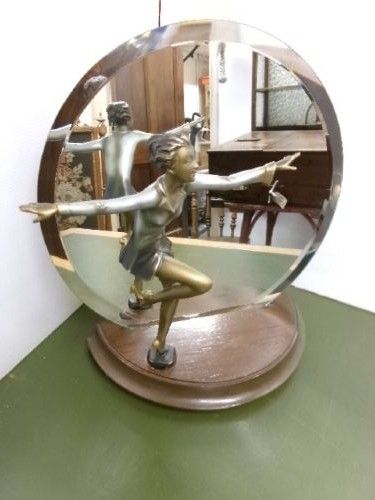
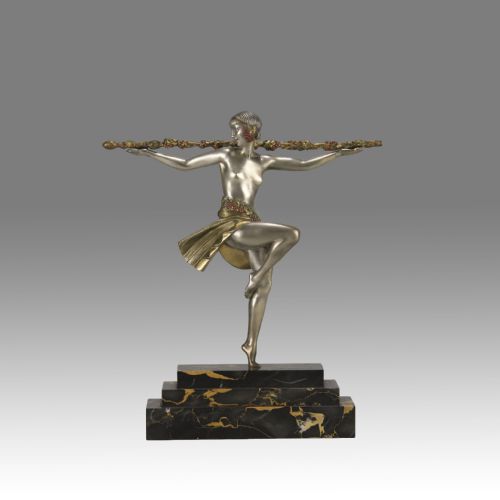
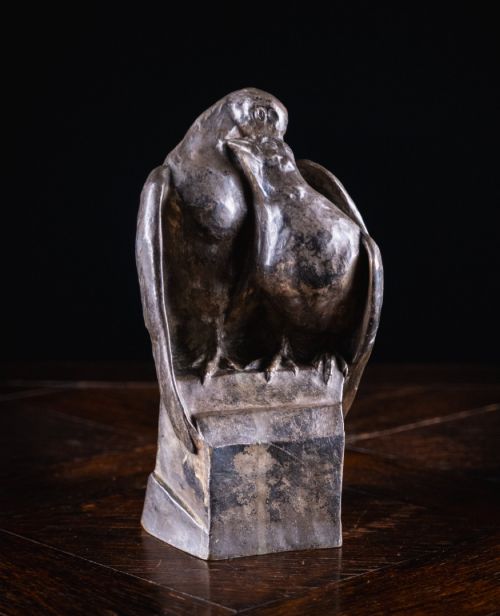
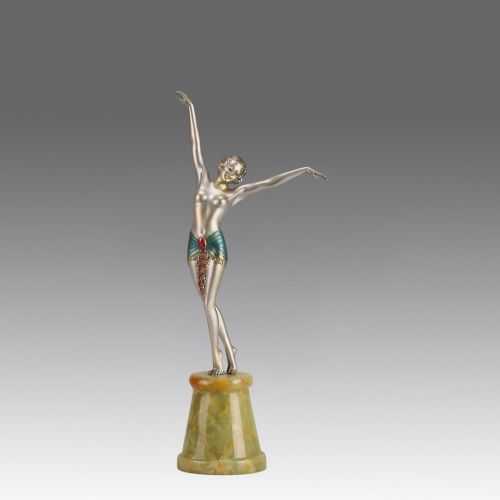
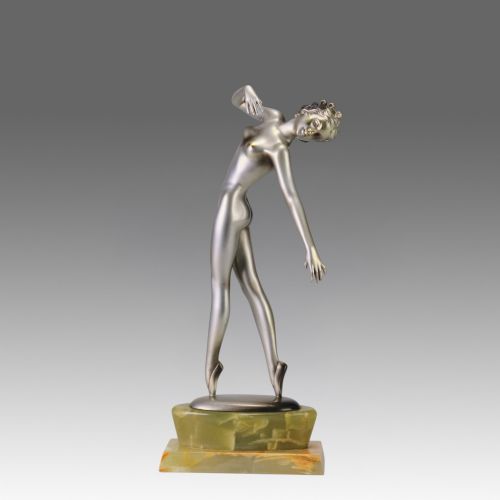
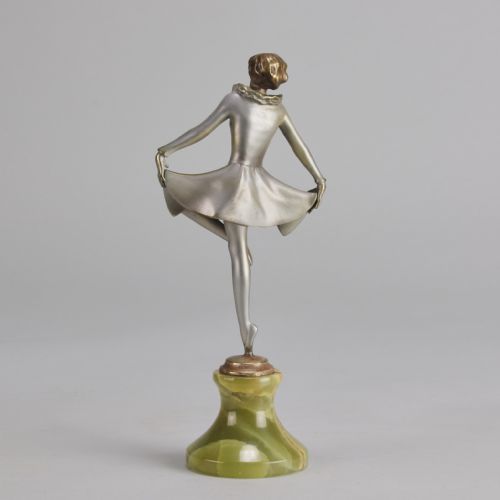
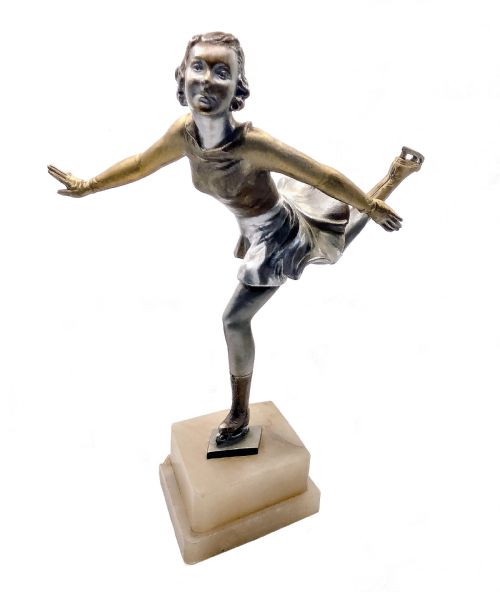
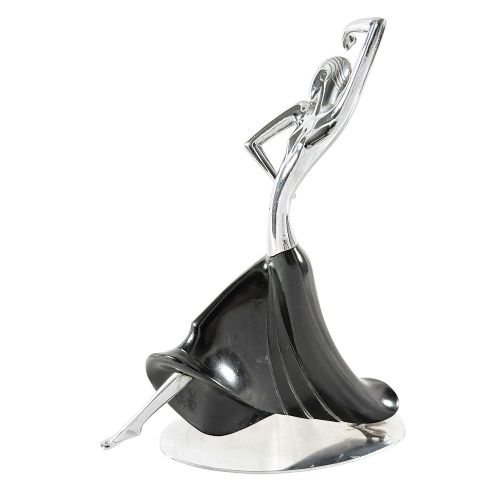
The objects on this page take many forms, from dancers and animal figures to desk accessories, bookends, and model transport. Figures of women with outstretched arms or dancing poses appear frequently, alongside representations of greyhounds, panthers, and aircraft.
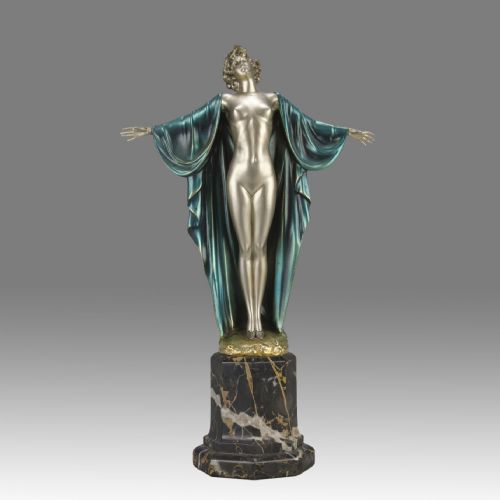
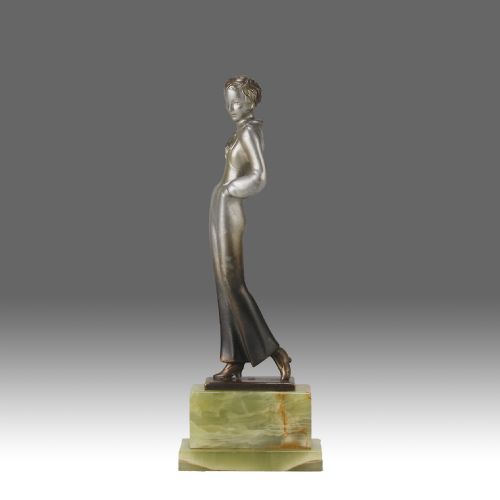
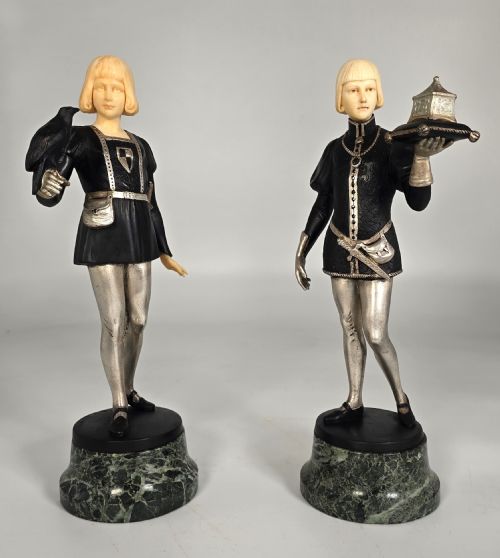
Many items combine metalwork with contrasting plinths or bases made from marble or onyx. The overarching style embraces both maritime and modernist influences, creating decorative focal points for interiors.
Materials and construction methods
Makers utilised a variety of metals, including bronze, silvered bronze, chrome plate, spelter, aluminium, and painted metal. Cold-painting techniques added surface colour to bronze figures, while silver plating provided a bright, reflective finish.
Many sculptures incorporate mixed media, combining metal figures with carved ivory or mounting them onto heavy stone bases of marble and onyx. Desk ornaments and trophies often involved detailed casting and assembly to achieve their finished forms.
Materials documented across the inventory include marble, onyx, bronze, spelter, silvered bronze, cold paint, chrome, and enamel.
Distinguishing quality in the pieces
Quality rests heavily on the fidelity of the casting and the crispness of the chasing work on the metal surface. Sculptures bearing the signatures of known artists or foundries demonstrate superior articulation in facial expressions, drapery, and anatomical detail.
The choice of base material and the preservation of original cold-painted or silvered surfaces heavily influence the integrity of a piece. Heavier, well-balanced assemblies involving marble or onyx indicate higher grade manufacturing compared to lighter, simpler alloy castings.
Pierre le Faguays·Ferdinand Preiss·Josef Lorenzl·Karl Hagenauer·Demetre Chiparus·Alexandre Kelety·Geo Maxim·Claire Colinet
The Silver Art Deco Sculptures Glossary
- Spelter
- A zinc alloy frequently used as a cost-effective alternative to bronze for casting figures during the period. It accepts various metallic finishes to imitate higher value metals.
- Cold-painted
- A method where paint is applied to a metal sculpture after casting without being fired in a kiln. This technique allows for detailed polychrome surface decoration on bronze.
- Silvered bronze
- Bronze that has been treated with a surface coating or plating of silver to give it a bright, reflective finish. It combines the weight of bronze with the appearance of silver.
- Onyx
- A banded variety of chalcedony quartz often utilised for the heavy bases and plinths of sculptures. Its natural striations provide a decorative contrast to the metal figures above.
Silver Art Deco Sculptures: Frequently Asked Questions
What materials make up these silver art deco sculptures?
These sculptures incorporate a wide range of metals, including bronze, silvered bronze, chrome plate, aluminum, and spelter. Many examples also feature cold-painted surfaces or are mounted onto heavy marble and onyx bases.
Some pieces combine metalwork with carved ivory elements or enamel details. This variety in materials reflects both commercial production methods and high-end studio craftsmanship of the era.
How can I identify a piece from the art deco period?
Art deco sculptures typically display streamlined forms, geometric styling, and motifs inspired by dance, speed, and modern machinery. Signatures from period artists or foundry marks often appear directly on the metal or the stone base.
The use of specific alloys, cold-painted finishes, and characteristic subject matter such as dancers, greyhounds, and aviation models helps anchor these items firmly in the interwar decades.
Where were these sculptures originally displayed?
Owners placed these objects in domestic interiors as mantelpiece ornaments, bookends, desk accessories, and cabinet display figures. Larger works served as trophies or focal points in public and private spaces.
Automotive mascots and model aircraft additionally found a home on vehicles or within specialist collections, highlighting the diverse applications of decorative metalwork at the time.
How do I care for a silvered or bronze sculpture?
Preserving these surfaces requires gentle dusting with a soft, dry cloth to prevent the accumulation of grit. Avoid using harsh chemical cleaners or abrasive polishes that can strip away silver plating or cold-painted details.
Protecting the stone bases from moisture and handling the figures by their main bodies rather than fragile extremities ensures the longevity of both the metal and any mixed media elements.