

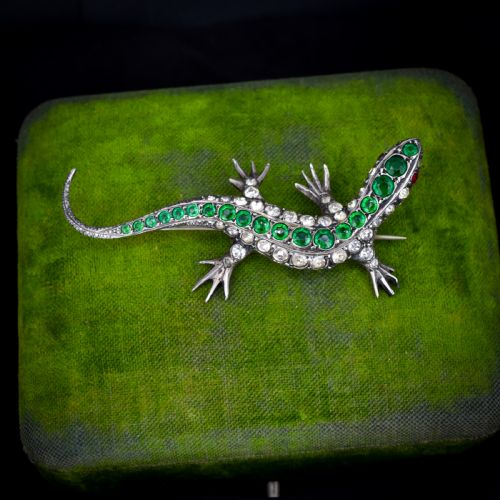


Silver Animal Pin
These silver animal pin examples are charming figural pieces that bring character to a collection and make delightful display objects.
Silver Animal Pin
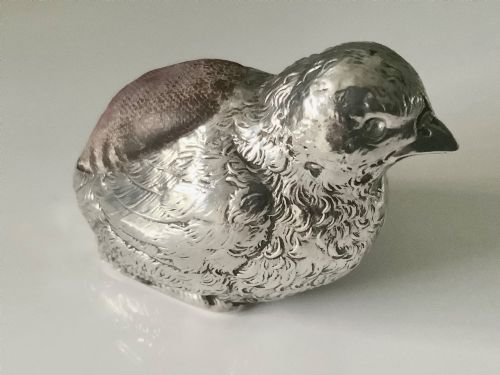
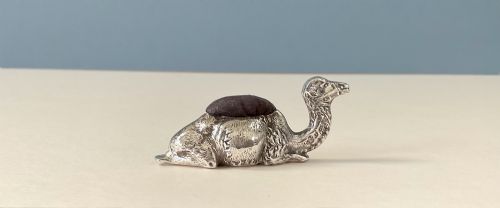
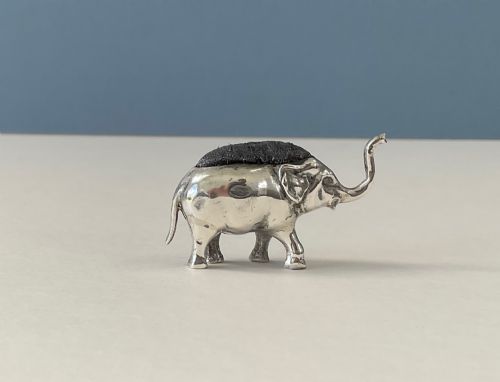
A silver animal pin typically takes the form of a miniature figural pin cushion or a detailed brooch modelled on creatures large and small. The selection centres heavily on Edwardian novelty pin cushions, where domestic animals, wildlife and exotic beasts are rendered in miniature.
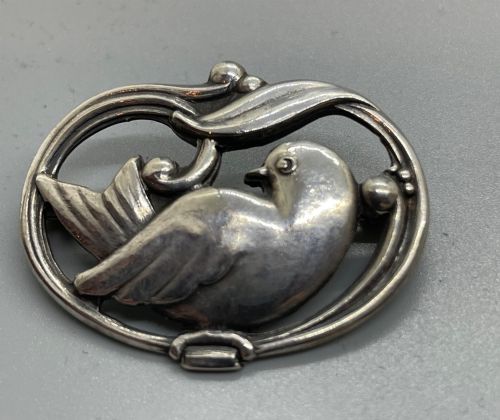
Makers produced these pieces across several distinct periods, with Edwardian and Victorian examples forming the bulk of what appears here. Alongside the sculptural pin cushions, the listings include brooches incorporating paste stones, gemstones and glass.
The assortment ranges from seated camels and recumbent pigs to lizards, birds and dogs. Each object combines decorative metalwork with a functional purpose, whether holding pins on a dressing table or fastening a lapel.
How they were made
Brooches incorporate gemstones, paste and glass alongside the metalwork, often utilising setting techniques common to the Victorian and Art Deco periods. The integration of coloured stones adds distinct visual contrast to the polished silver surfaces.
Silver Animal Pin Retail Price Guide 2026
Typical asking prices for silver animal pin among the pieces listed under this phrase on Sellingantiques today, from the lower quarter to the upper quarter. They describe what is for sale here now, not the wider market.
Listings feature items from the Victorian, Edwardian, Art Deco and mid-century periods, constructed in silver, velvet, paste, glass, gemstone and gold.
What varies in quality
Quality rests primarily on the crispness of the modelling and the finesse of the chasing work across the silver body. Superior examples capture anatomical details and expressions with sharp precision rather than soft outlines.
The condition and integrity of the original fabric or velvet pad also influence the character of a piece. Well-preserved textiles and secure stone settings distinguish finer examples from those showing heavy wear.
The Silver Animal Pin Glossary
- Pin Cushion
- A small decorative object designed to hold sewing pins, frequently fashioned into figural animal shapes during the Edwardian era. These items combined utility with whimsical desk or dressing table ornamentation.
- Novelty
- A term applied to objects manufactured in amusing or unusual shapes, particularly popular in silver work from the late nineteenth and early twentieth centuries. Such pieces often depict animals, everyday items or characters.
- Paste
- Hand-cut glass faceted to imitate gemstones, frequently utilised in Victorian and Art Deco brooches. It provides brilliant sparkle and colour without the cost of natural stones.
- Chasing
- A metalsmithing technique where the artisan hammers the front surface of metal to sink it and create raised details. This method brings texture and definition to the fur and feathers of silver animals.
- Recumbent
- Lying down or resting, a posture often seen in silver pin cushions modelled after pigs or other animals. This specific stance allowed the creature to sit low and stable on a surface.
Silver Animal Pin: Frequently Asked Questions
What were silver animal pin cushions used for?
These miniature pieces sat on dressing tables or desks to hold sewing pins within integrated fabric pads. They served as both functional sewing accessories and decorative ornaments.
Victorians and Edwardians appreciated whimsical desk items, making these small silver creatures popular gifts and collectables.
How do I identify an Edwardian silver pin cushion?
Edwardian pieces often feature realistic or comical animal figures cast in solid silver with fitted velvet inserts. They typically date from the early twentieth century and focus heavily on novelty designs.
Looking closely at the style of the metalwork and the specific animal subjects helps distinguish them from later mid-century items.
What materials are used in these brooches?
The brooches combine sterling silver settings with decorative elements such as paste stones, coloured glass, diamonds, emeralds and fabric. These materials reflect the prevailing jewellery trends of the Victorian and Art Deco eras.
Different periods favoured specific combinations, such as paste-set lizards or gemstone-accented animal figures.
How should I care for silver animal pins?
Cleaning requires gentle handling to preserve any fabric pads or delicate paste settings incorporated into the piece. Standard silver polish should be used sparingly and kept away from textiles.
Storing them in a dry environment protects the metal from tarnishing and safeguards the original velvet or fabric inserts.