

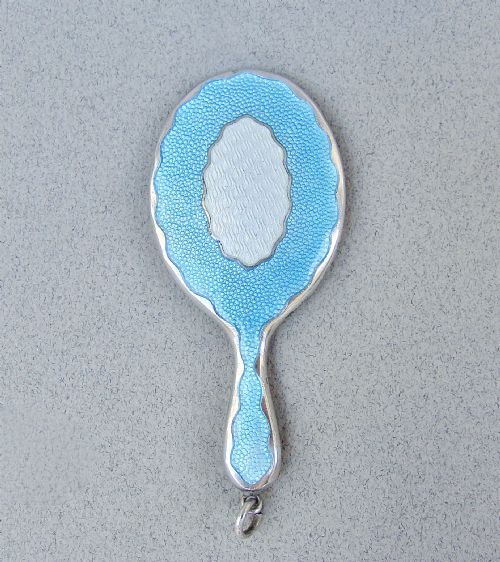

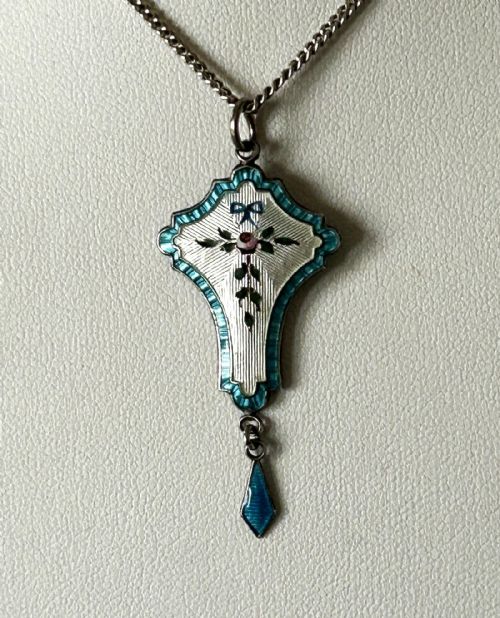
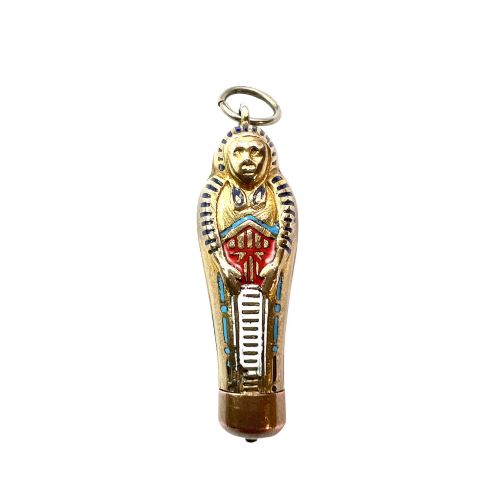
Silver and Enamel Pendant
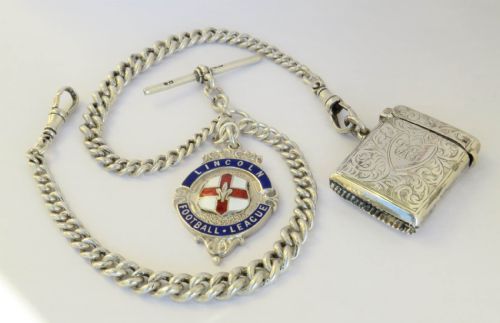
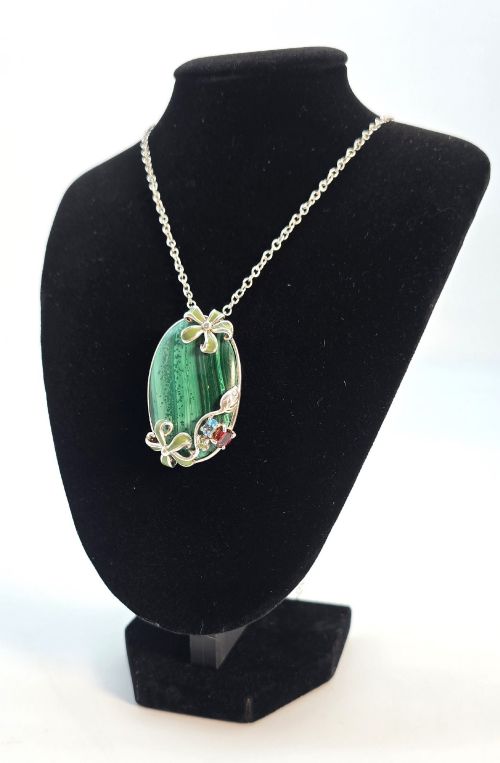
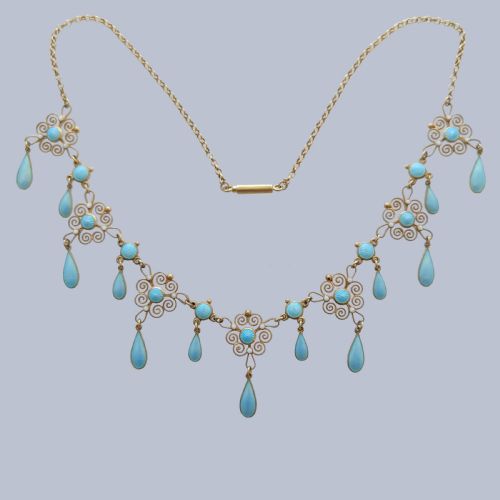
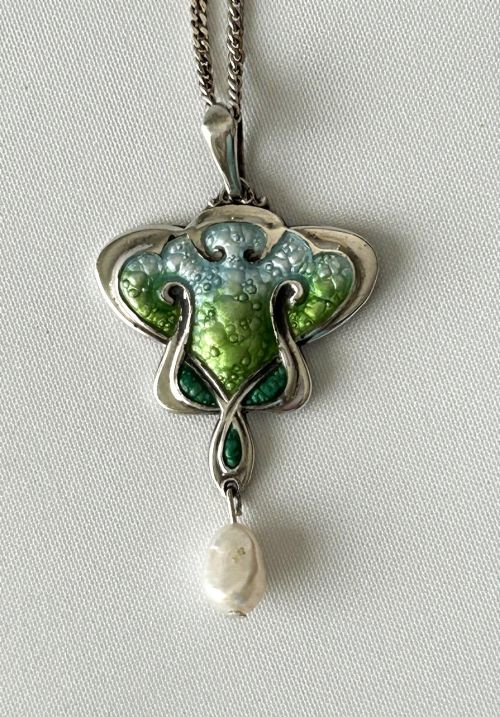
When you search for a silver and enamel pendant, you discover jewellery defined by vitreous colours set in precious metal.
Silver and Enamel Pendant
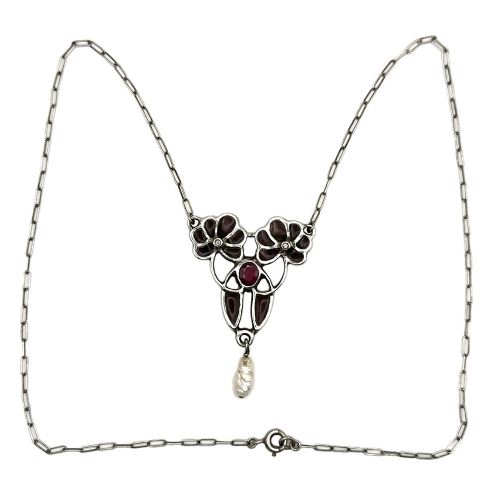
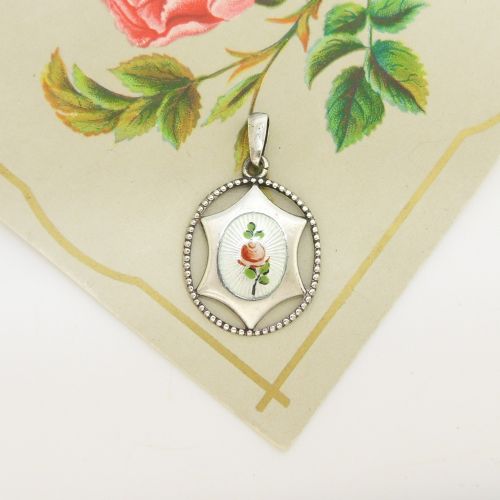
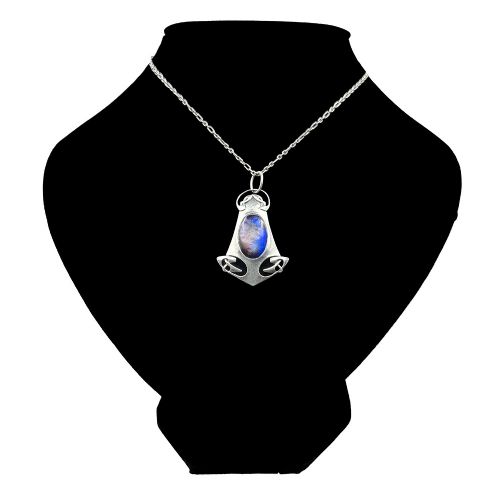
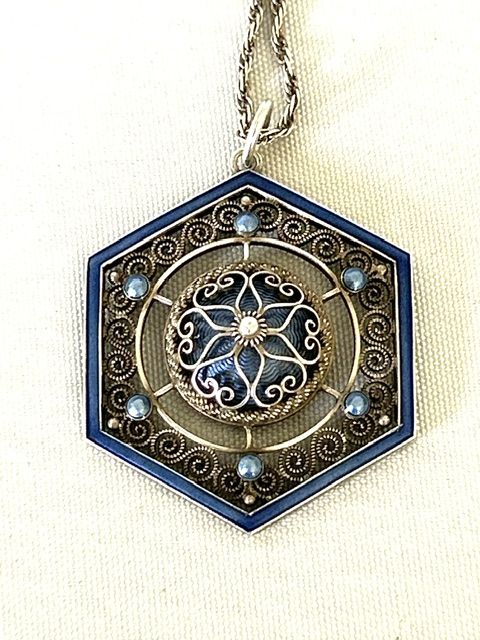
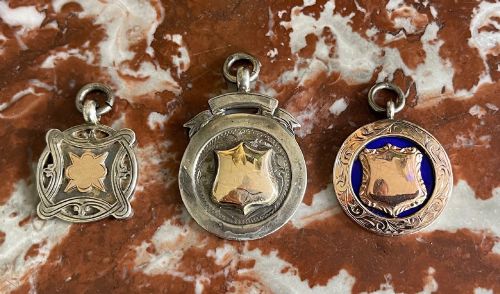
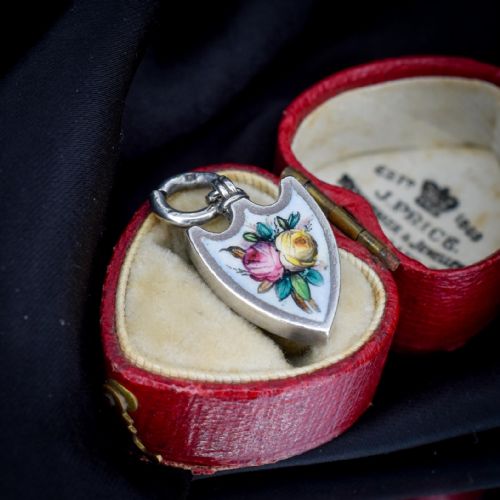
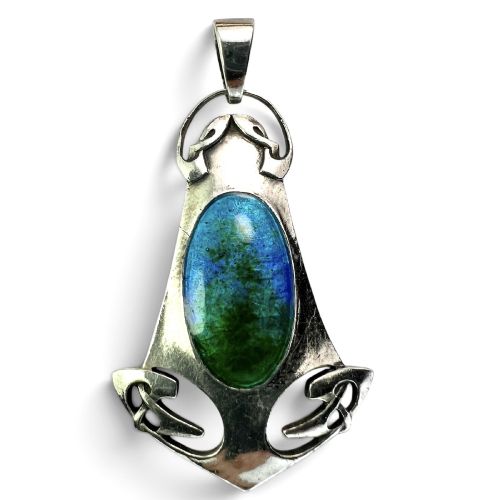
A silver and enamel pendant brings together polished metalwork and fired glass powder, appearing in forms from floral motifs to geometric shapes. These pieces emerge predominantly from the Art Nouveau and Arts and Crafts periods around nineteen hundred, alongside Victorian and Art Deco examples.
Makers set these enamels into sterling silver or silver gilt, frequently incorporating pearls, chalcedony, or glass. Alongside traditional pendants and necklaces, buyers encounter related items such as lockets, charms, and compacts bearing similar vitreous decoration.
How they were made
Craftsmen fused powdered glass onto silver bases at high temperatures, utilising techniques like plique-a-jour to let light pass through translucent cells without a backing metal. Guilloche enamel involved machine-engraving geometric patterns beneath transparent coloured glazes to create shifting reflections.
Silversmiths constructed mounts from sterling silver or silver gilt, often hammering or casting frames to hold enamel plaques and dangling pearl drops. Individual workshops applied hand-finished details to secure stones such as turquoise, rubies, and diamonds into the metalwork.
Silver and Enamel Pendant Retail Price Guide 2026
Typical asking prices for silver and enamel pendant among the pieces listed under this phrase on Sellingantiques today, from the lower quarter to the upper quarter. They describe what is for sale here now, not the wider market.
Materials paired with silver and enamel across these listings include pearls, chalcedony, rubies, diamonds, turquoise, and glass.
What varies in quality
The sophistication of the enamel work dictates the standing of a piece, distinguishing simple opaque fills from intricate plique-a-jour or layered guilloche patterns. Superior examples show precise control during firing, avoiding cracking, bubbling, or discoloration across the vitreous surface.
Design attribution and metal selection also separate standard productions from masterworks, particularly when linked to known designers like Archibald Knox or firms such as Liberty and Co. Heavier gauge sterling silver mounts and the inclusion of matched natural pearls elevate the execution of the jewellery.
Charles Horner·Archibald Knox·Liberty and Co·Murrle Bennett·Marius Hammer·Henry Williamson·Henry Matthews·Henry Perkins and Sons·Wilhelm Fuhner·David-Andersen·Levinger and Bissinger·Otto Prutscher·Meyle and Mayer
The Silver and Enamel Pendant Glossary
- Plique-a-jour
- An enamelling technique resembling miniature stained glass where transparent enamel fills open metal cells without a backing. This lets light pass directly through the coloured vitreous material.
- Guilloche
- A decorative technique where a mechanical lathe engraves precise repetitive patterns into metal. Transparent enamel is then applied over the engraving to create shimmering depth.
- Silver Gilt
- Silver that has been coated with a thin layer of gold on its exterior surface. This finish provides a warm golden tone while maintaining a silver base.
- Vitreous Enamel
- A material made by fusing powdered glass to a metallic substrate through high-temperature firing. The resulting glossy coating resists wear and retains its colour permanently.
Silver and Enamel Pendant: Frequently Asked Questions
How do I date a silver and enamel pendant?
Dating relies on stylistic markers such as organic Art Nouveau curves or geometric Art Deco lines, alongside any maker marks or hallmarks stamped into the silver.
Examining the type of enamel technique and accompanying stones like pearls or chalcedony also helps narrow down the production era to specific decades.
What is plique a jour enamel?
Plique a jour is a challenging technique where enamel is fired within open metal frameworks rather than a solid backing. This allows light to shine through the transparent colours like a tiny church window.
Pieces featuring this method require careful handling due to the unsupported glass cells.
How should I clean my pendant?
Clean silver and enamel items gently using a soft microfibre cloth to remove surface dust and skin oils. Avoid abrasive silver dips or ultrasonic cleaners because harsh chemicals can damage fragile enamel or dislodge pearls.
Store each piece separately in a lined box to prevent scratching against other jewellery.
Are these pendants fragile to wear?
Vitreous enamel is essentially glass fused to metal, meaning it can crack or chip if struck against hard surfaces or dropped. Careful daily wear prevents impact damage to the delicate glass cells.
Removing the necklace before swimming, sleeping, or exercising preserves both the silver mount and the coloured enamel.