




Silk Wall Textile
A silk wall textile brings centuries of woven and embroidered artistry into a room, offering tactile depth and rich historic character.
Silk Wall Textile
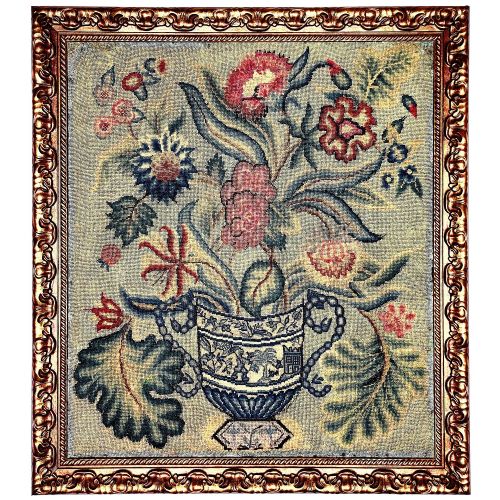
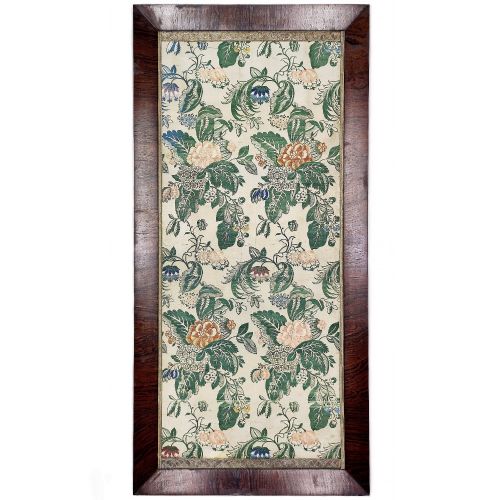
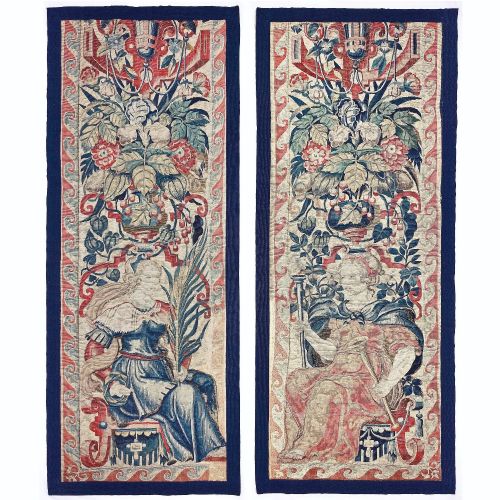
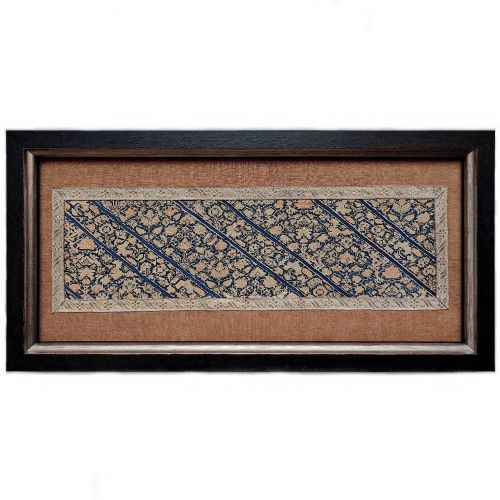
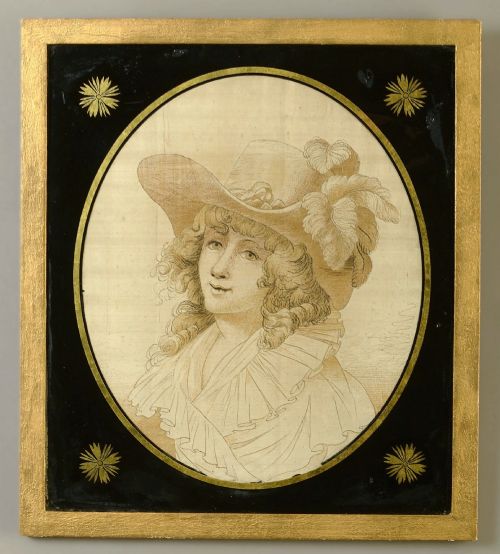
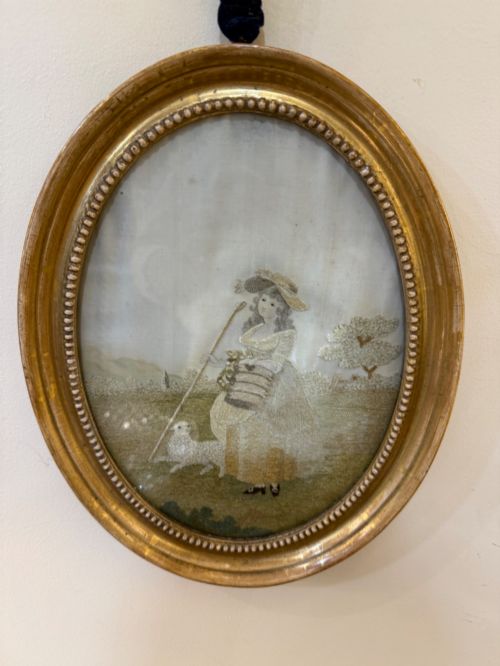
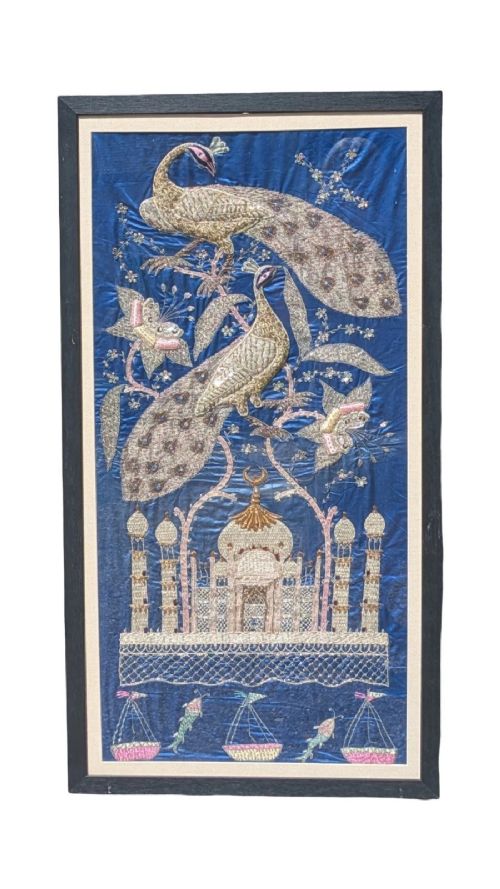
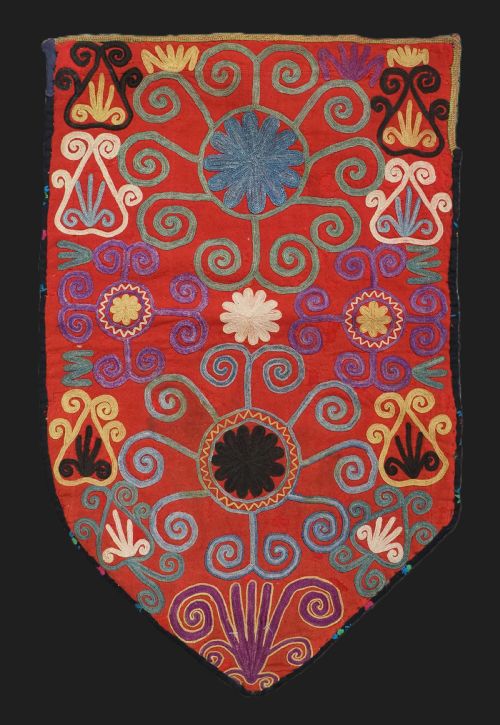
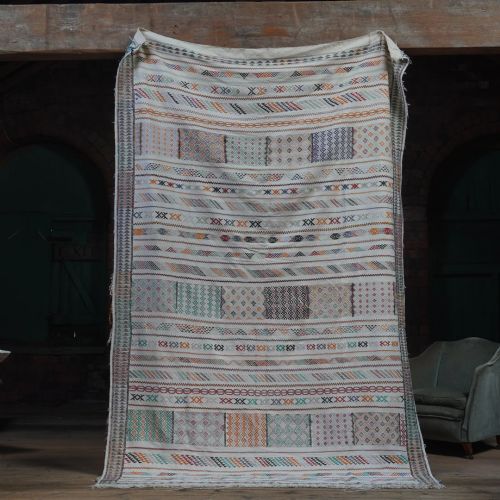
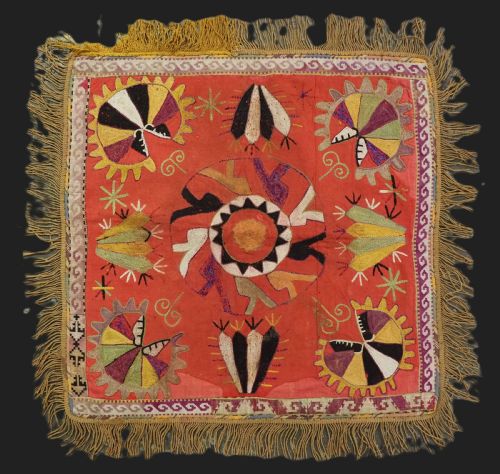
A silk wall textile encompasses framed needlework, embroidered panels, and woven hangings created across multiple centuries and regions. Buyers find works ranging from English needlework pictures and French silk embroideries to Central Asian Suzanis and Flemish tapestry panels.
The selection on this page leans heavily toward framed historical panels, tribal dowry embroideries, and traditional wall hangings. These pieces serve primarily as visual art and decorative wall covered elements within a domestic interior.
Origins span across Europe, Asia, and the Middle East, capturing diverse cultural traditions in textile arts. Pieces include Chinese rank badges, Uzbek tribal items, and Georgian silk work.
Materials and technique
Techniques range from hand sewing and needlework to tapestry weaving and hand painting on silk. Many works are preserved under glass with wooden or faux tortoiseshell frames.
Structural additions include backing fabrics and giltwood accents, while certain items incorporate glass beads or specialised framing to protect fragile fibres.
Silk Wall Textile Retail Price Guide 2026
Typical asking prices for silk wall textile among the pieces listed under this phrase on Sellingantiques today, from the lower quarter to the upper quarter. They describe what is for sale here now, not the wider market.
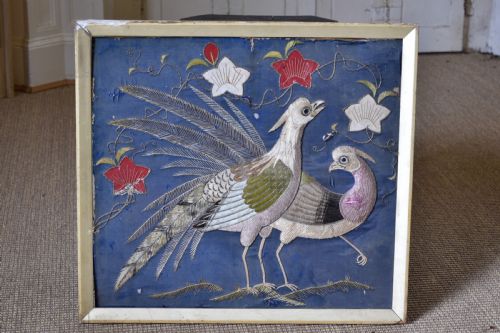
Several embroidered panels feature domestic animals and poultry, including French cockerels and hens housed within faux tortoiseshell frames.
What varies in quality
The quality of a silk wall textile depends on the density of the stitching, the complexity of the design, and the integrity of the surviving fibres. Finer pieces demonstrate intricate needle control and well-preserved metallic threads that retain their lustre.
Material selection and execution distinguish standard works from exceptional examples, particularly in the precision of regional embroidery styles such as Suzanis and needlework pictures. The stability of the ground fabric and the clarity of painted or woven details also determine the overall standard.
The Silk Wall Textile Glossary
- Suzani
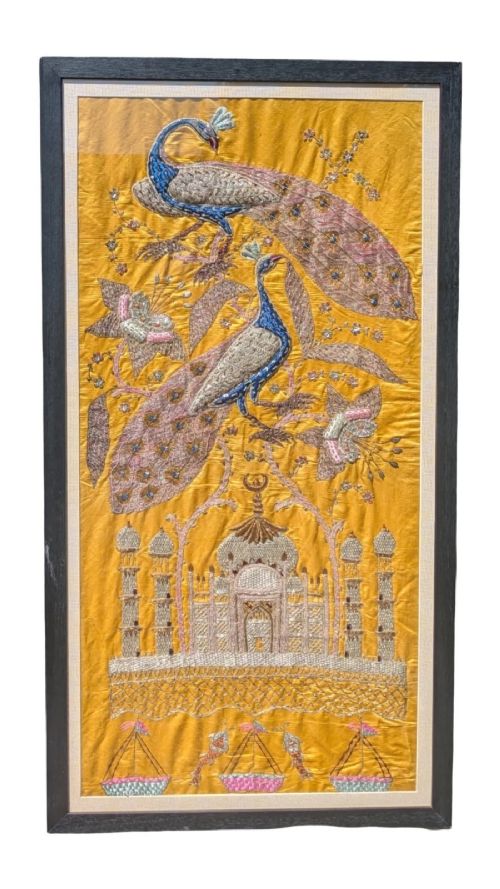
- An embroidered tribal textile originating from Central Asia, typically featuring floral and architectural motifs stitched with silk thread. These large wall hangings were often made as part of a bride's dowry.
- Needlework
- A piece of decorative art created by hand using a needle to apply thread or yarn to a fabric ground. Historical examples often depict figures, landscapes, or portraits.
- Tapestry
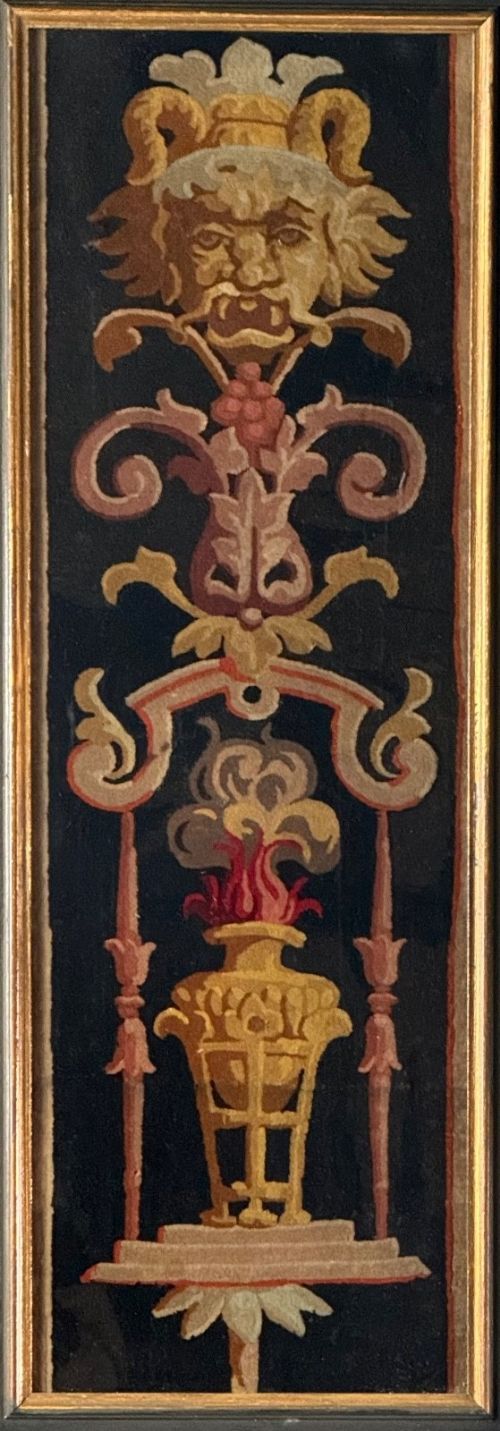
- A form of textile art woven by hand on a loom, combining different coloured warp and weft threads to form pictorial designs. Early European examples frequently depict classical or verdure scenes.
- Rank badge
- A square embroidered insignia worn on the robes of officials in imperial China to denote social standing. These panels are frequently framed as standalone textile art.
- Giltwood
- Wood that has been treated with a thin layer of gold leaf or gold paint, commonly found on the frames housing antique textile panels.
Silk Wall Textile: Frequently Asked Questions
How should I hang a silk wall textile?
Framed pieces under glass require standard picture hooks suited to their weight, keeping them away from direct sunlight to protect the silk fibres from fading.
Unframed textiles benefit from professional mounting on conservation-grade backing boards or display within specialised shadow boxes to prevent tension damage.
How do I clean antique silk textiles?
Surface dust should be gently removed using a soft brush or low-suction vacuum through a protective mesh screen.
Water and chemical cleaning agents must be avoided entirely, as moisture causes irreversible damage to historic silk and metallic threads.
What is the difference between a Suzani and a tapestry?
A Suzani is an embroidered textile where designs are stitched onto a pre-woven fabric ground using needle and thread.
A tapestry is woven on a loom where the pattern is created simultaneously with the construction of the fabric itself.
How can I tell the age of a silk textile?
Dating relies on examining the specific stitching techniques, the composition of the dyes, and the characteristics of the backing materials. Stylistic motifs and framing styles also provide clear indicators of the period in which the piece was produced.