


Silk Embroidery Textile
A silk embroidery textile brings centuries of needlework mastery into a room, offering rich textures and historic narratives worked in thread.
Silk Embroidery Textile
A silk embroidery textile encompasses historic needlework pictures, wall hangings, and panels spanning from the seventeenth century through to the twentieth century. When searching this phrase, a buyer encounters framed English samplers, Chinese rank badges, and Central Asian tribal dowry pieces.
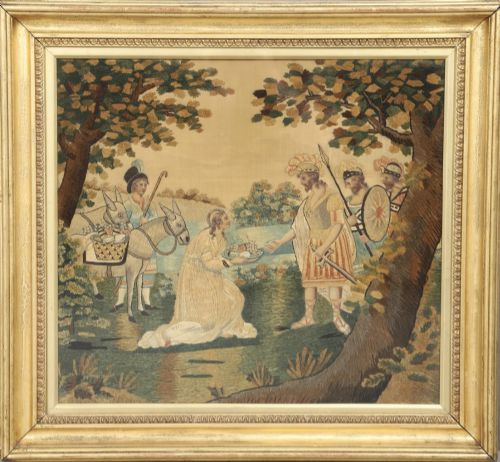
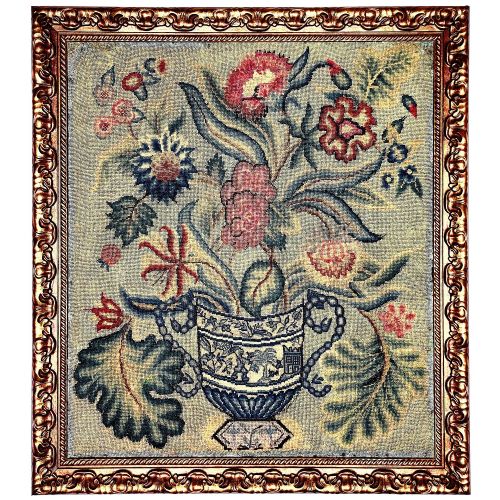
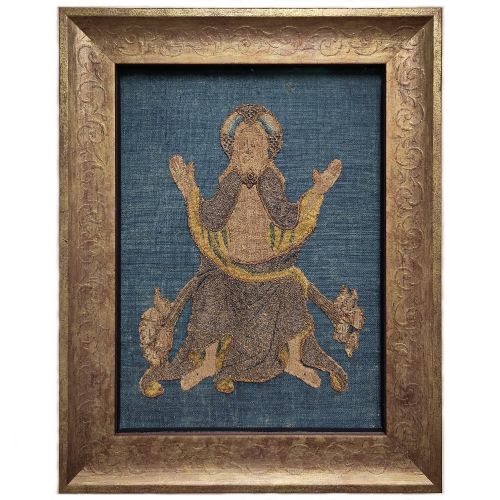
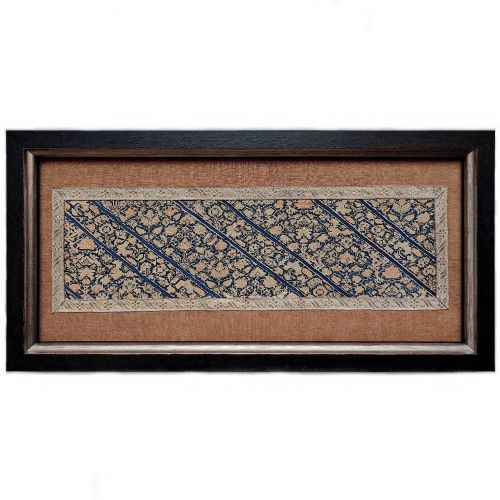
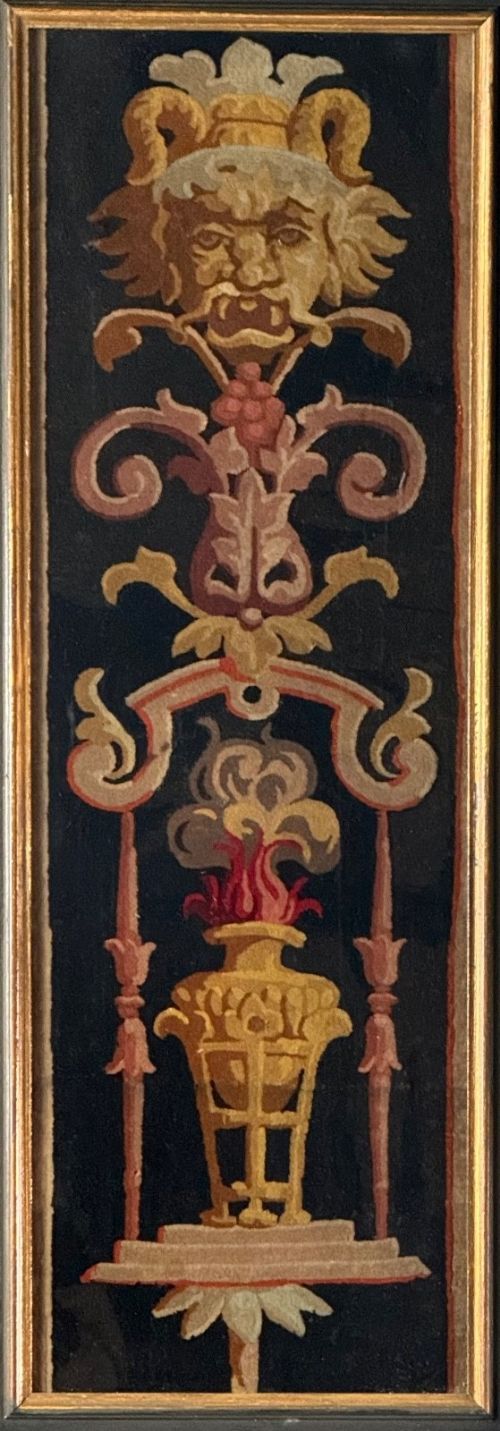
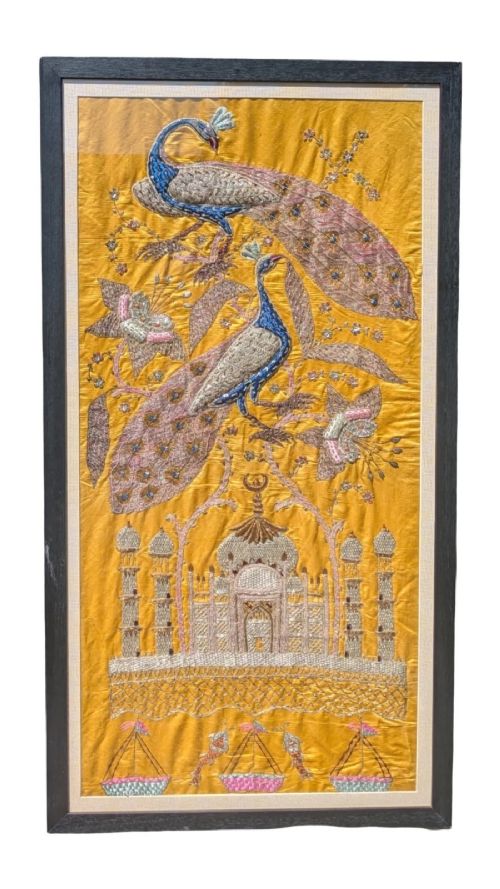
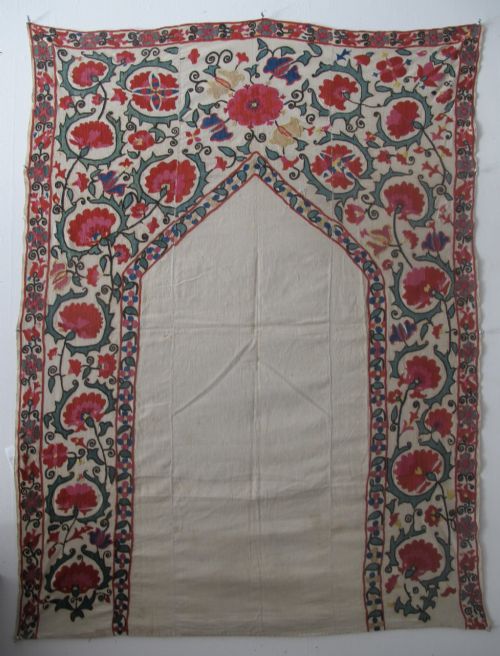
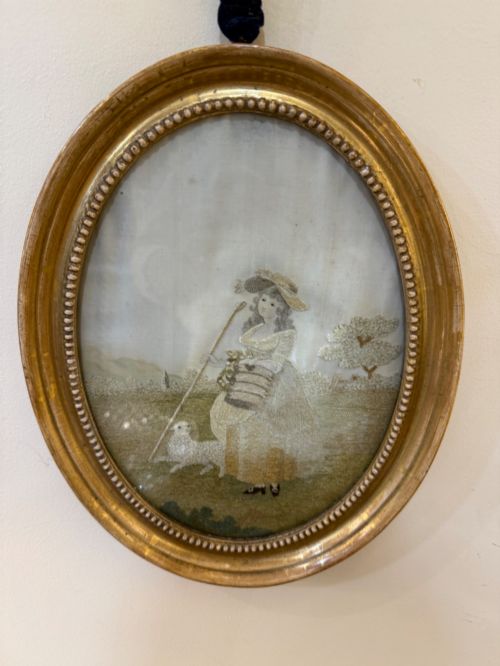
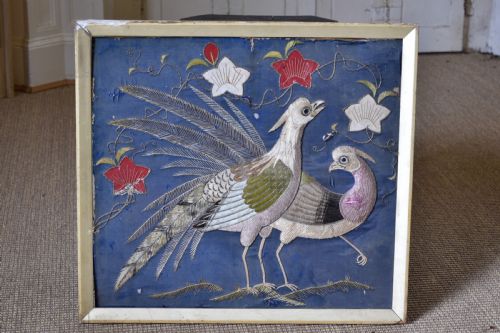
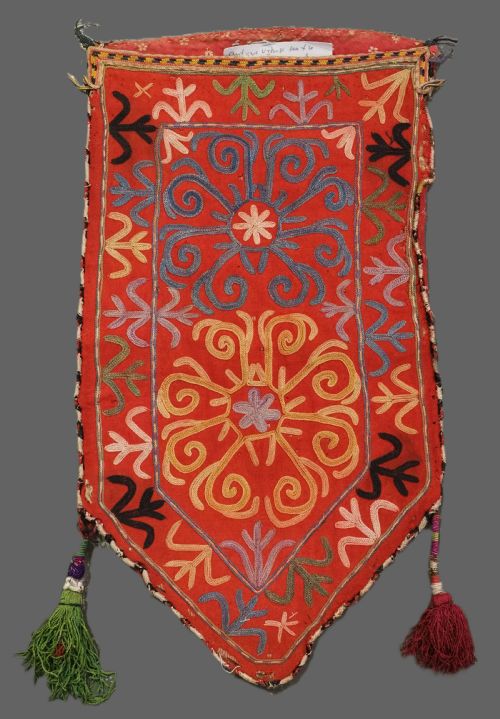
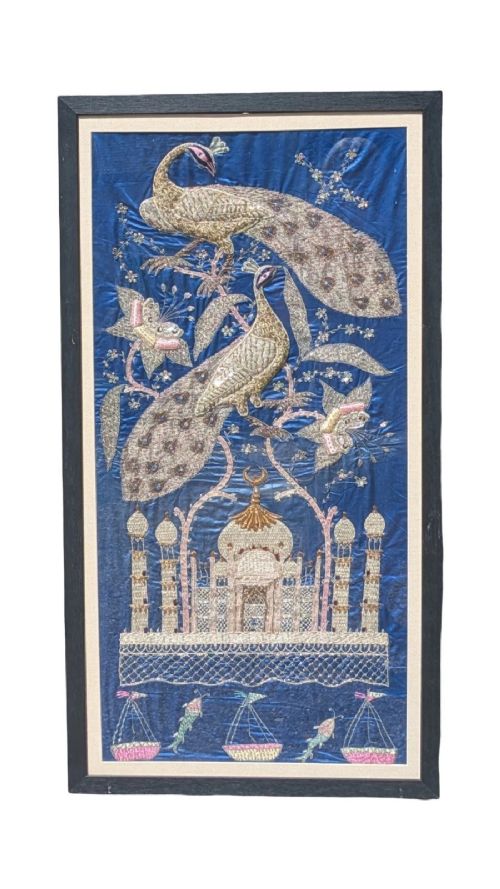
The selections on this page lean heavily toward decorative panels and framed compositions, featuring subjects from biblical scenes to architectural motifs. English needlework pictures sit alongside Persian nakshe panels and Uzbek Suzanis, providing diverse regional expressions of needlecraft.
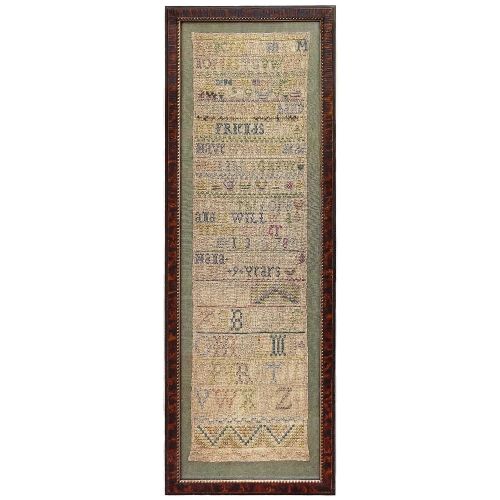
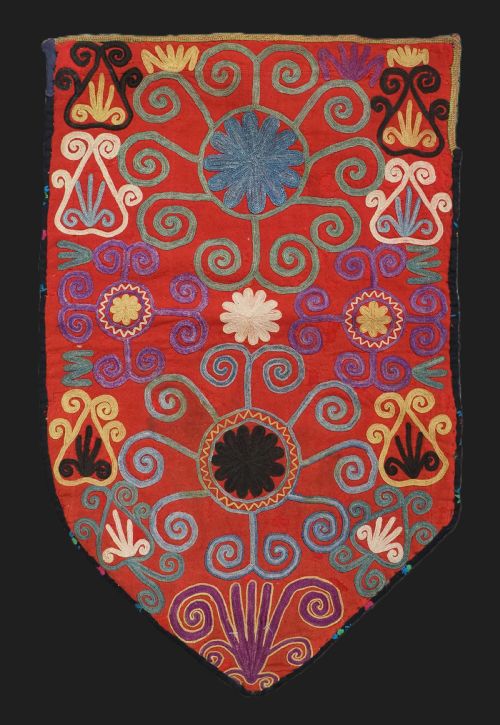
Objects range from small band samplers worked by young hands to large ceremonial horse covers and bed cover Suzanis. Formats vary from glazed wall art to unrestrained textile fragments, reflecting domestic utility and ceremonial display across multiple cultures.
Evaluating Quality in Needlework
The distinction between ordinary and exceptional examples rests upon the intricacy of the stitch work and the integrity of the surviving materials. Denser thread counts and sophisticated pictorial composition elevate a piece above simpler domestic exercises.
Preservation of the original silk ground and metallic threads dictates the visual strength of the textile. Pieces retaining vibrant colour and secure mounting demonstrate superior historical survival compared to heavily degraded fragments.
Silk Embroidery Textile Retail Price Guide 2026
Typical asking prices for silk embroidery textile among the pieces listed under this phrase on Sellingantiques today, from the lower quarter to the upper quarter. They describe what is for sale here now, not the wider market.
The inventory includes seventeenth-century English needlework alongside nineteenth-century Central Asian Suzanis and Chinese silk rank badges.
Stevens of Coventry
The Silk Embroidery Textile Glossary
- Suzani
- An embroidered hanging produced in Central Asia, typically worked in silk on a cotton or linen ground with bold floral or architectural designs. These large textiles served functional and ceremonial purposes in nomadic and urban households.
- Sampler
- A piece of needlework demonstrating various stitches and alphabets, often worked by young makers to practice technique. Historic examples frequently record the maker name and date.
- Orphrey
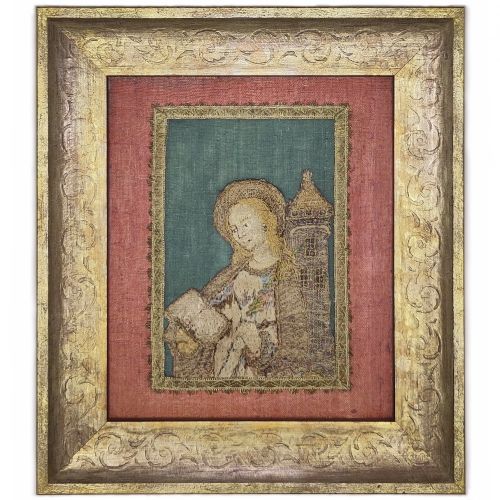
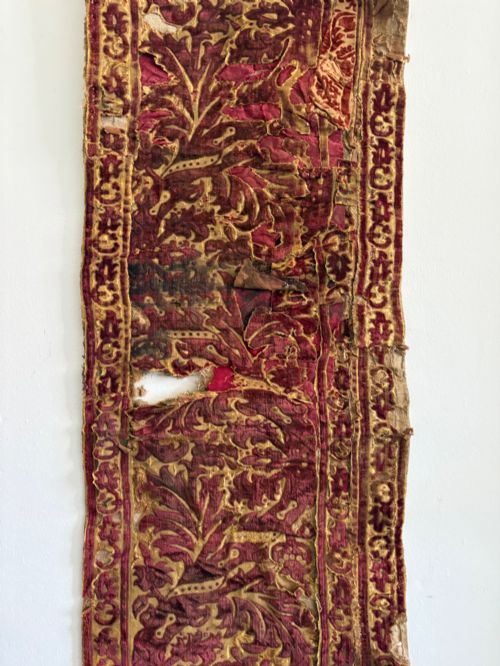
- An embroidered band or panel ornamenting ecclesiastical vestments, usually worked with rich metallic threads on velvet or silk. Surviving fragments represent dismantled church textiles.
- Rank badge
- A square textile insignia worn on Chinese garments to denote official civil or military status. These panels feature detailed silk stitching depicting animals, birds, and symbolic motifs.
- Chenille
- A type of tufted yarn used in needlework pictures to create a velvety, textured pile. It gained popularity during the Regency period for rendering foliage and soft fabrics.
Silk Embroidery Textile: Frequently Asked Questions
How were historic silk embroideries used?
These textiles served multiple domestic and ceremonial functions, ranging from wall hangings and bed covers to ceremonial horse covers and personal garments. Many were displayed in domestic interiors as framed pictures or decorative panels.
Nomadic and settled communities utilised embroidered panels such as Suzanis and dowry hangings to mark important life events and embellish living spaces. Smaller works like samplers demonstrated domestic proficiency and served as educational exercises.
How should I care for a textile?
Protect antique needlework from direct sunlight to prevent the fading of delicate silk threads and natural dyes. Display pieces away from excessive moisture and heat sources.
Glazed framing protects delicate surfaces from dust and physical handling. Unframed panels require careful mounting by a specialist conservator using non-damaging archival methods.
How do I date an embroidery?
Dating relies on stylistic markers, materials, and accompanying inscriptions such as maker names or dates worked directly into samplers. Costume details in figurative scenes often reflect the fashion of a specific period.
Technical examination of the ground fabric and thread types helps distinguish seventeenth-century work from later nineteenth-century revivals. Regional characteristics also provide clear temporal boundaries for items like Central Asian tribal pieces.
What is the difference between a sampler and a picture?
A sampler is primarily an educational exercise displaying alphabets, numbers, and a variety of decorative stitches executed by a maker. These pieces focus on technical demonstration rather than a unified pictorial narrative.
An embroidered picture depicts a specific scene, such as a landscape, architectural monument, or biblical narrative. These compositions utilise varied stitches and materials to create a complete artistic work.