

Silk Embroidered Hanging
When choosing a silk embroidered hanging, you acquire textile art that spans centuries of global needlework traditions.
Silk Embroidered Hanging
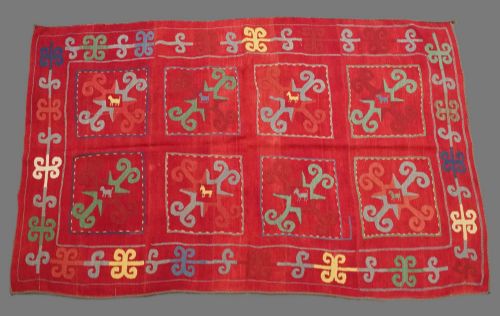
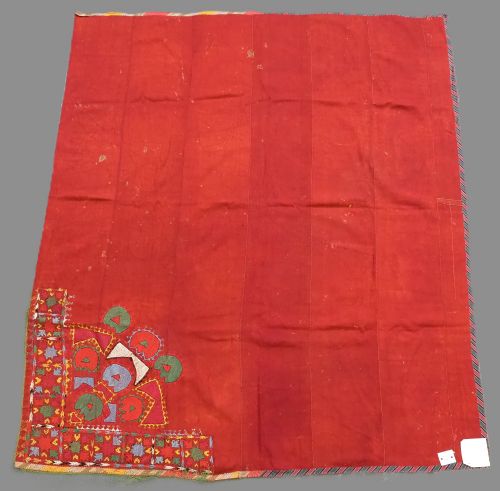
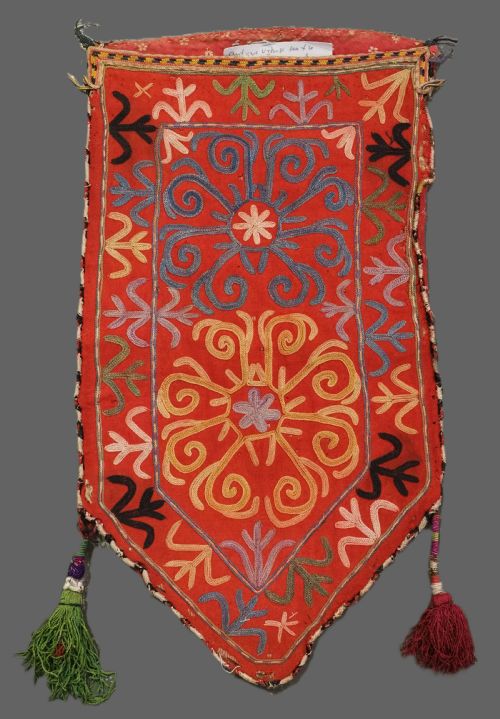
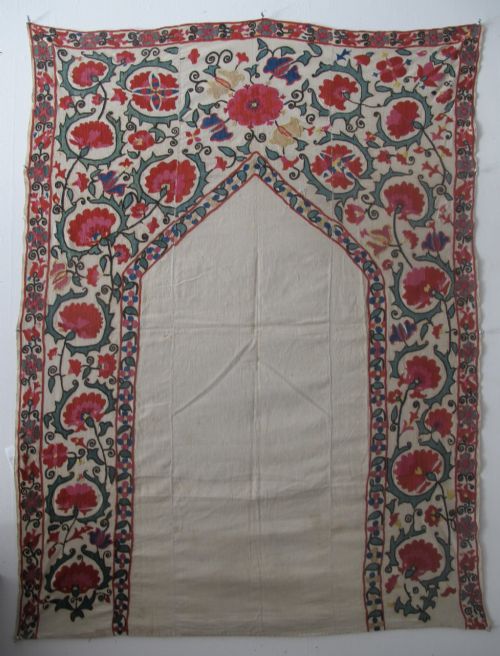
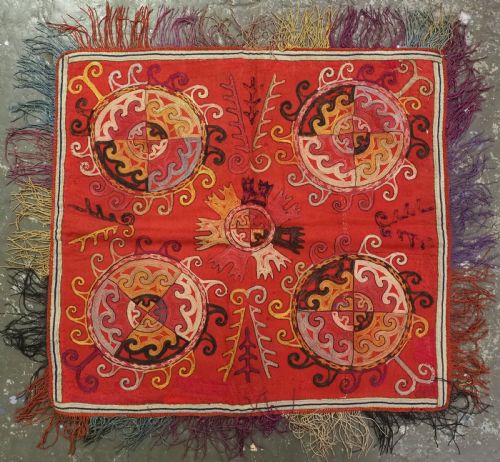
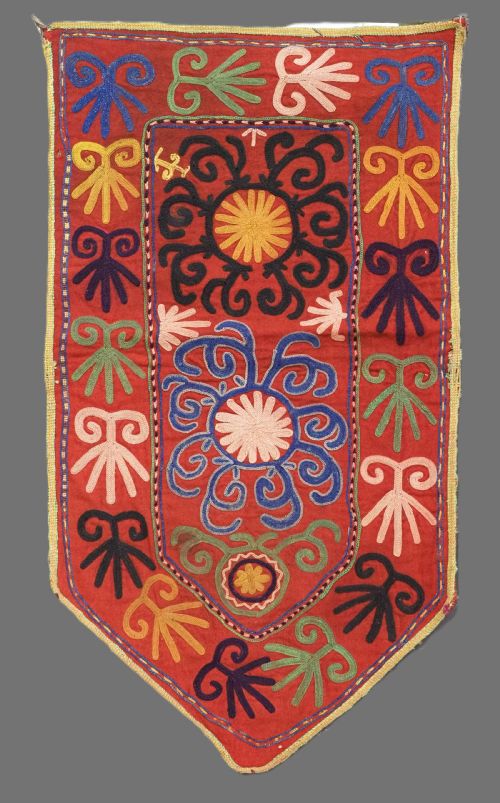
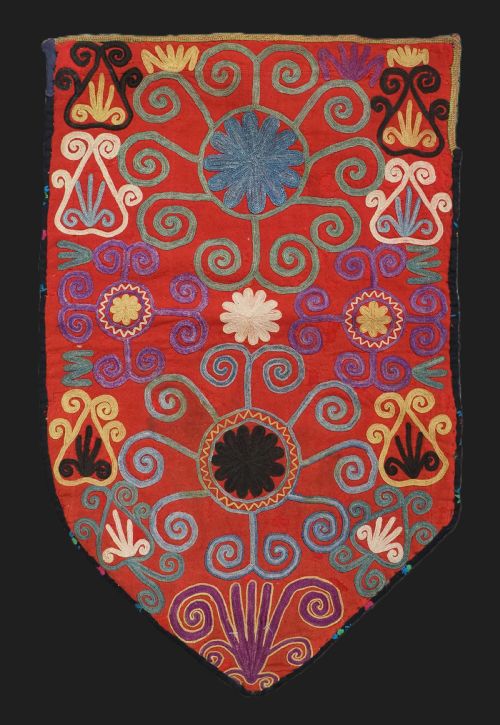
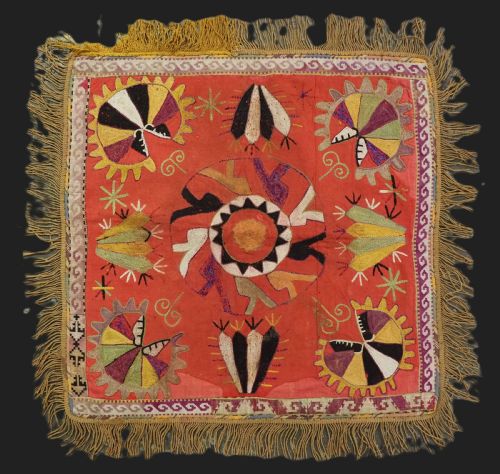
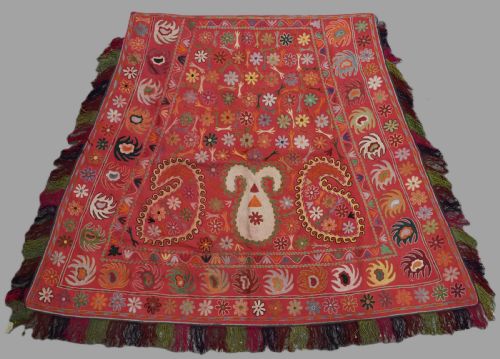
A silk embroidered hanging encompasses a diverse group of textile panels, wall hangings, and framed pieces originating from varied cultural traditions. Buyers searching this phrase most frequently encounter Central Asian suzanis, dowry embroideries like Lakai ilgich pieces, and Persian Rasht panels executed on felt or wool.
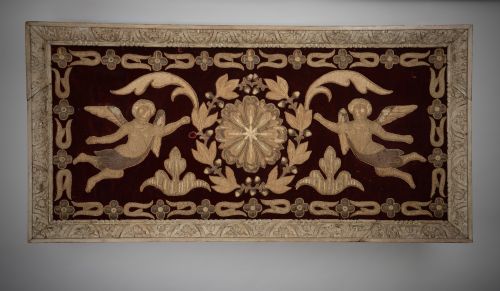
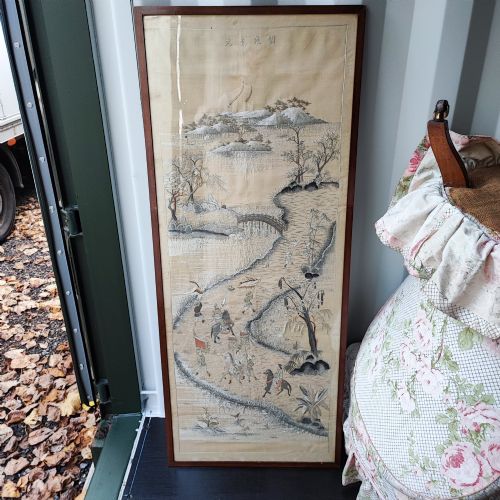
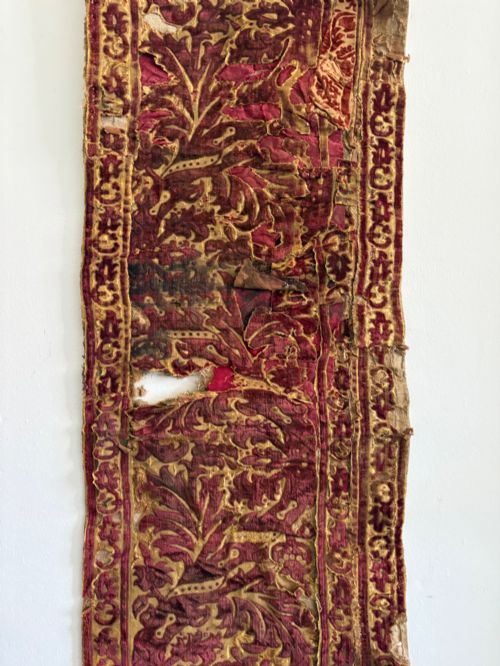
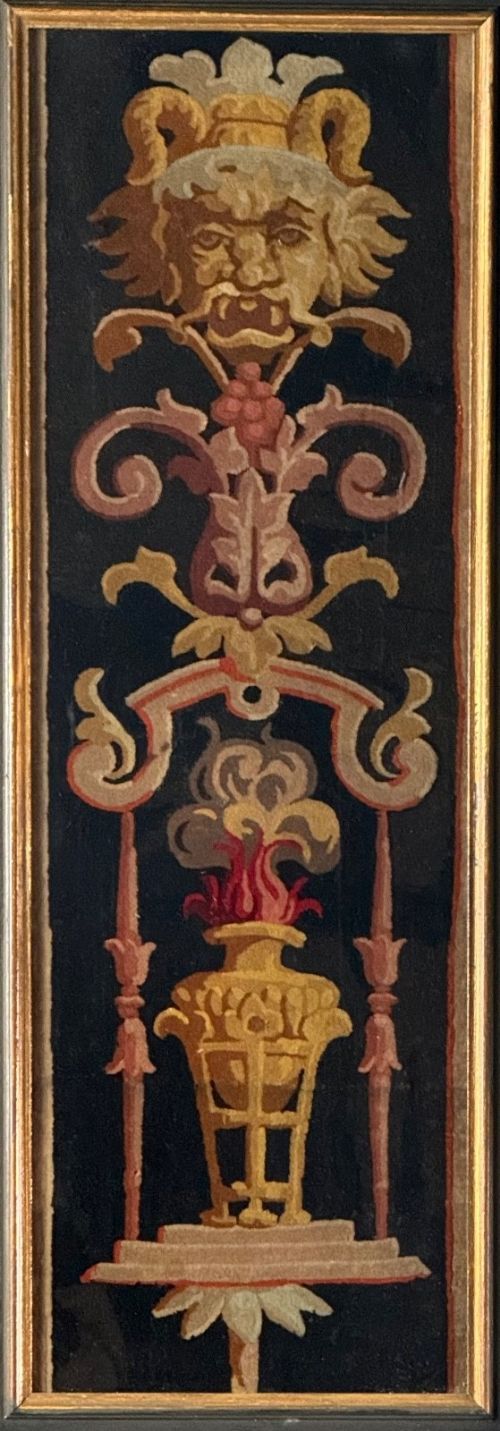
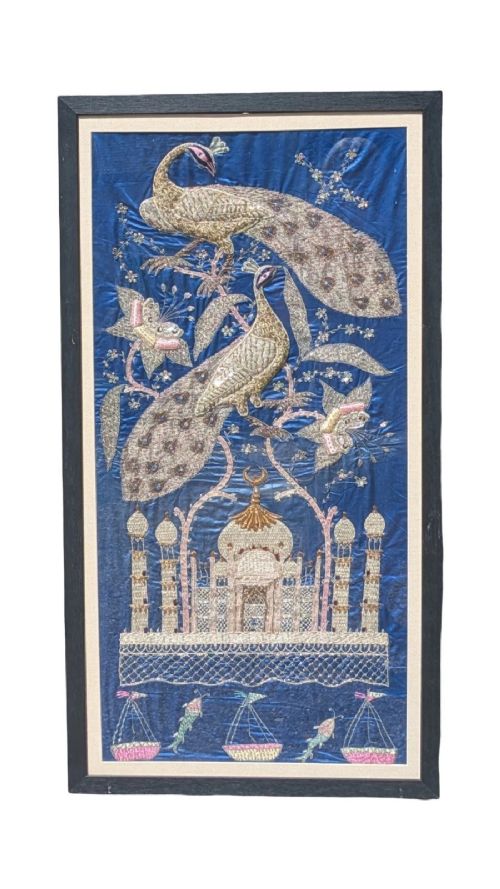
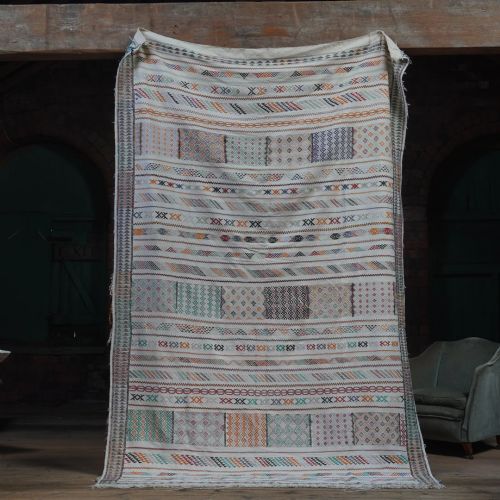
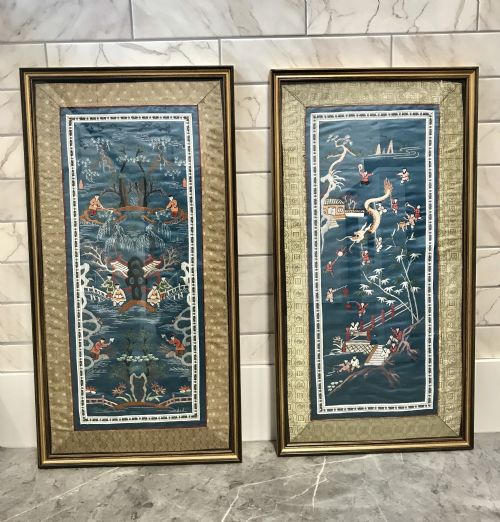
The selection ranges from seventeenth-century European velvet panels and classical continental grotesques to nineteenth-century Uzbek needlework and twentieth-century Chinese pictorial compositions. These textiles served domestic, decorative, and ceremonial functions, functioning as bed covers, wall decorations, mirror covers, and saddle rugs before entering the collector market.
How they were made
Maker traditions rely heavily on fine silk threads worked onto foundational grounds of silk, cotton, wool, or heavy wool felt. Many examples incorporate supplementary materials such as metallic thread, glass beads, and velvet appliques to build texture and contrast.
Stitching techniques vary by region, utilising hand-sewn methods ranging from the dense chain stitch of Persian Rasht work to the complex surface embroidery found on Central Asian tribal dowry pieces and Chinese pictorial panels.
Silk Embroidered Hanging Retail Price Guide 2026
Typical asking prices for silk embroidered hanging among the pieces listed under this phrase on Sellingantiques today, from the lower quarter to the upper quarter. They describe what is for sale here now, not the wider market.
Listings feature textiles spanning from the seventeenth century through the twentieth century, originating across Central Asia, Persia, India, China, and Europe.
What varies in quality
Quality rests upon the precision of the needlework, the complexity of the design layout, and the preservation of the ground material and thread colours. Pieces exhibiting tight, uniform stitching and harmonious colour palettes demonstrate superior workshop execution.
The integrity of the foundation fabric and the completeness of the original composition largely determine the standing of an individual textile within its specific regional tradition.
The Silk Embroidered Hanging Glossary
- Suzani
- A large, embroidered tribal wall hanging or bed cover originating from Uzbekistan and surrounding Central Asian regions. These pieces typically feature bold floral and architectural motifs stitched in silk on a cotton or silk ground.
- Ilgich
- A specific type of Central Asian dowry embroidery created for domestic wall hanging purposes, frequently associated with the Lakai tribe. They often display dynamic geometric or figurative compositions.
- Rasht embroidery
- A traditional form of Persian needlework characterised by intricate mosaic-like applique and chain stitch embroidery executed on a wool felt ground. Designs frequently incorporate central floral medallions and intricate borders.
- Torba
- A small hanging bag or trapping produced by Turkmen and related tribal groups, occasionally featuring detailed silk embroidered highlights on the face. They were traditionally utilised within nomadic tents for storage.
- Grotesque
- A style of decorative ornamentation featuring whimsical combinations of human, animal, and plant forms seen in European classical panels. This motif appears in seventeenth-century continental textile works.
Silk Embroidered Hanging: Frequently Asked Questions
How were silk embroidered hangings used originally?
These textiles served multiple domestic and ceremonial roles within traditional households, acting as protective covers for mirrors, bedding, or saddles. Many were created as dowry items intended to decorate the interior walls of a family home.
Over time, panels transitioned from functional household objects to decorative wall art collected for their intricate needlework and historical design motifs.
How do I care for an antique silk hanging?
Display textiles away from direct sunlight to prevent the fading of delicate silk threads and natural dye grounds. Gentle, periodic dusting with a soft brush helps maintain the surface without disturbing fragile stitches.
Professional textile conservators should handle any necessary cleaning or mounting to ensure the foundational fabric and historical threads remain structurally sound.
What is the difference between a suzani and an ilgich?
Suzanis are typically larger, expansive textiles used as wall decorations or bed covers, characterised by sweeping floral and medallion designs. They represent major domestic commissions within Central Asian households.
Ilgiches are generally smaller dowry embroideries specifically produced for hanging on walls, often featuring denser, highly stylized tribal motifs associated with groups like the Lakai.
How can I tell regional styles apart?
Regional identification relies upon observing the combination of ground materials, stitching techniques, and characteristic motifs. Persian Rasht work is distinguished by wool felt grounds and chain stitch applique, while Uzbek suzanis utilise fine silk or cotton embroidered with bold botanical elements.
European panels from the seventeenth century often incorporate velvet grounds and classical ornamentation such as grotesques, separating them clearly from Asian and Middle Eastern traditions.