


Signed Watercolour Art
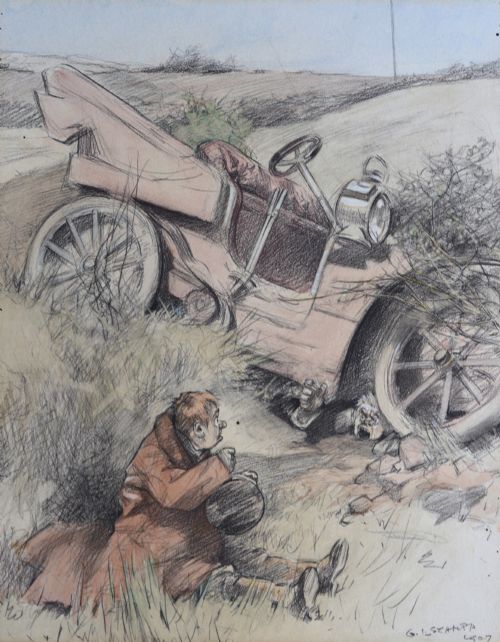
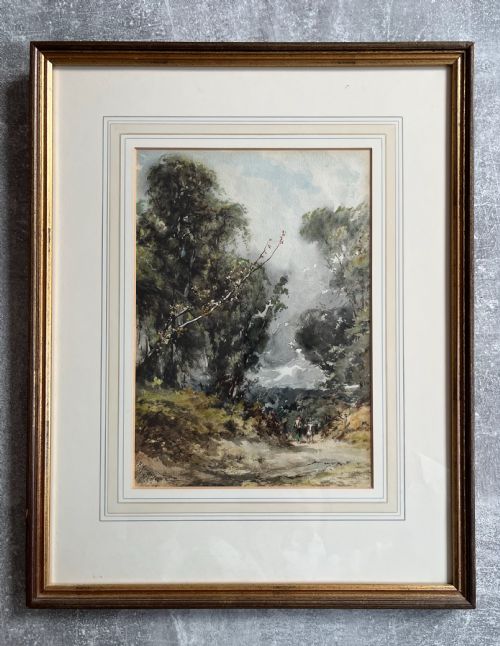
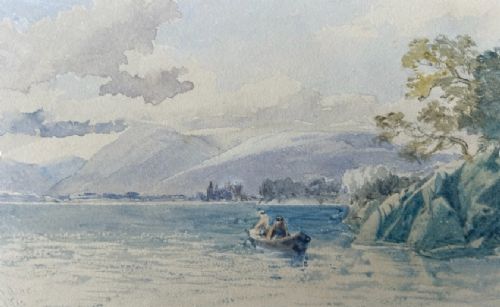
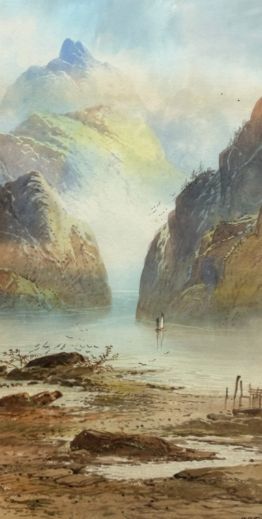
Signed watercolour art brings together original paper works carrying the identifiable touch of nineteenth and twentieth-century painters.
Signed Watercolour Art
Signed watercolour art encompasses original works on paper, framed paintings, portrait miniatures and silk pieces spanning from the Victorian period through to the mid-twentieth century.
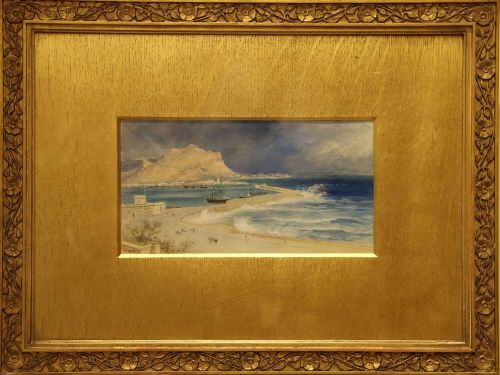
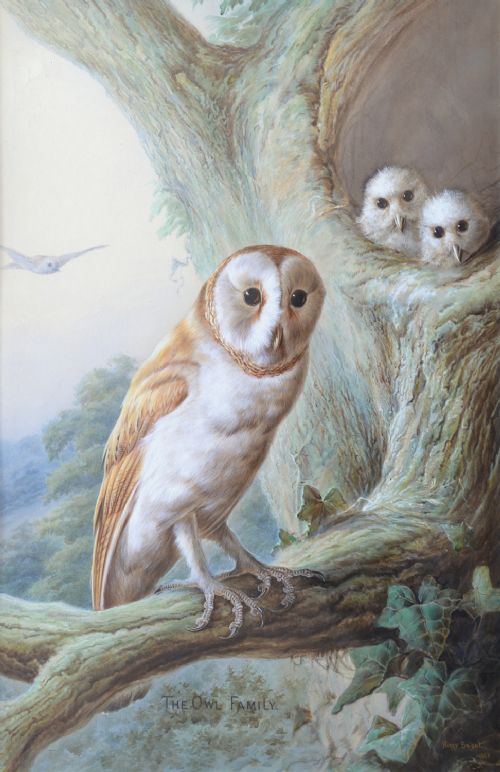
A buyer searching this phrase meets British and European landscapes, coastal scenes, architectural views and botanical studies bearing hand-written signatures, monograms or contemporary attributions.
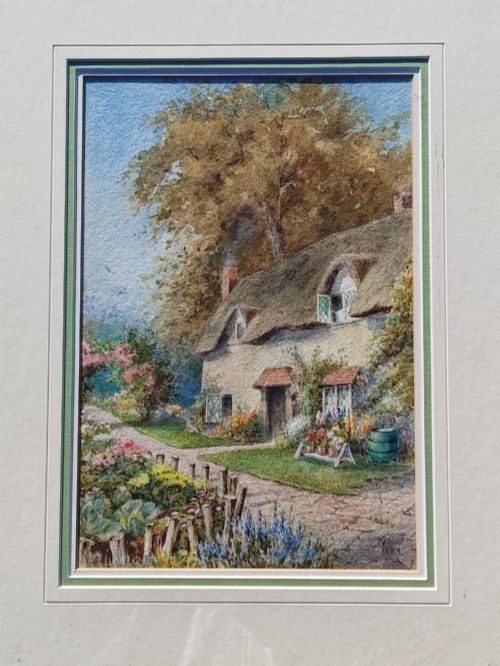
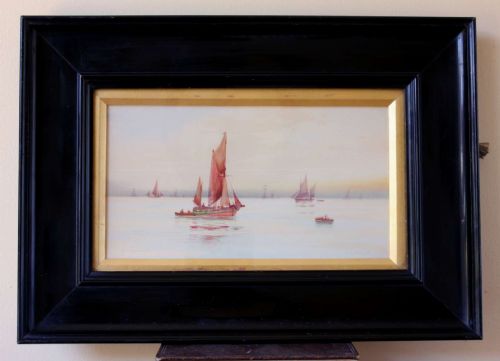
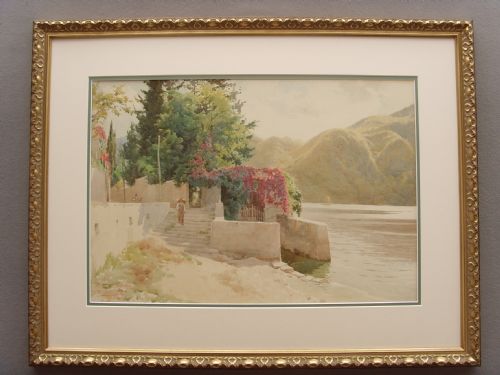
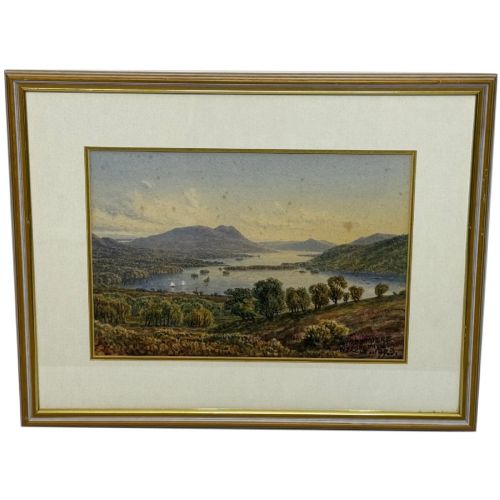
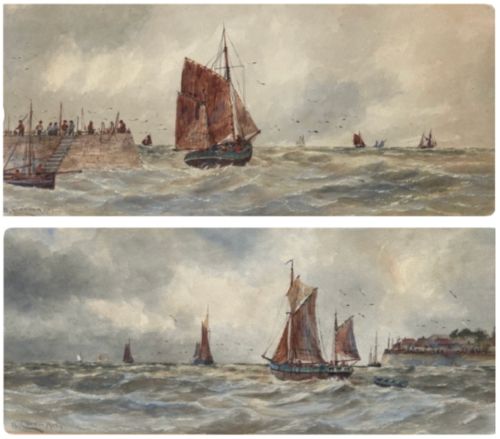
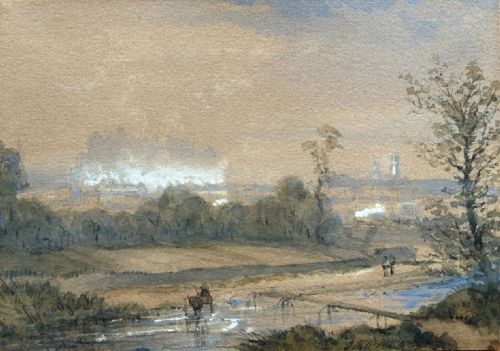
Common subjects range from Italian lakes and Scottish lochs to English country cottages and harbour docks, created by named Royal Academy artists as well as regional painters.
Materials and technique
Watercolour pigment and paint were applied to paper, occasionally silk or glass, utilising water-soluble binders to achieve transparent washes and fine line work.
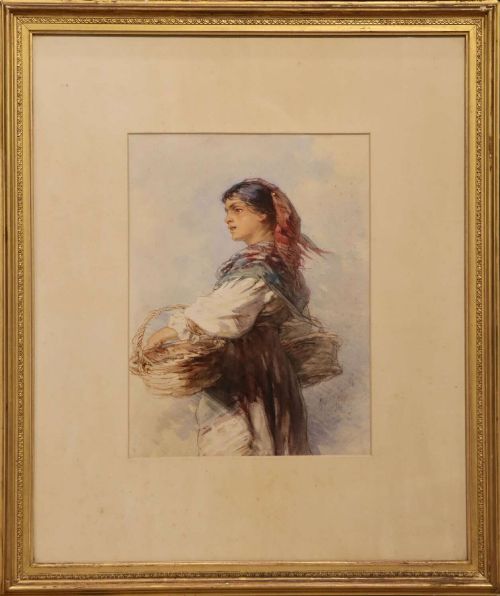
Finished paintings were typically secured within period wooden frames, sometimes incorporating gilt wood, mounts and glass to protect the delicate surface from moisture and light.
Materials recorded across these listings include watercolour pigment, paper, gilt wood, glass and silk.
Distinctions in quality
The degree of painterly control, compositional balance and handling of light separates accomplished academic works from simpler topographical sketches.
Survival of original framing, paper stability free from heavy foxing, and clear provenance or legible artist signatures enhance the historical standing of a piece.
Mac C·K. Howitt·GM Avondale·Harry Bright·Robert George Talbot Kelly·William Taylor Longmire·David Law·Guido Bach·George Lorain Stampa·George Fotherly Hargitt·Thomas Miles Richardson Jnr·James Orrock·William Henry Earp·William Cannon·John R Prentice·A. Mitchell·A. Marie Parsons·Robert Leslie Howey·William Banks Fortescue·Vincent Clare·R. Hurst·Th.Thibault·Alfred G. Morgan·Russell Sidney Reeves·Dumont
The Signed Watercolour Art Glossary
- Watercolour
- A paint consisting of pigment suspended in a water-soluble binder, used for transparent painting on paper.
- Gilt wood
- Wood coated with a thin layer of gold leaf or metallic gilt, commonly used in period picture frames.
- Portrait miniature
- A small-scale painted portrait, executed on materials such as paper, glass or ivory during the eighteenth and nineteenth centuries.
- Monogram
- A motif made by overlapping or combining two or more letters to form a recognizable artist signature.
- Silk painting
- Artwork created directly onto a silk textile ground, seen in specific imported and domestic decorative works.
Signed Watercolour Art: Frequently Asked Questions
How should I hang these paintings?
Keep watercolours away from direct sunlight to prevent the pigments from fading over time.
Position them on interior walls with stable humidity away from radiators or damp zones.
Are these works always unique?
Every watercolour painting listed is a hand-painted original created directly by the artist.
Even when painters revisited similar subjects like harbour views, each brushstroke remains distinct.
How do I identify the period?
Examine the framing materials, backing boards, paper texture and the style of the artist signature.
Victorian and Edwardian works often feature handwritten ink inscriptions and period wood mouldings.
What is the difference between paper and silk?
Paper supports standard European watercolours from the nineteenth and early twentieth centuries.
Silk paintings provide a luminous, fine-woven ground used in specific Asian decorative artworks.