



Signed Royal Worcester China
Signed royal worcester china brings master hand-painted fruit, birds and sheep into your cabinet on delicate porcelain forms.
Signed Royal Worcester China
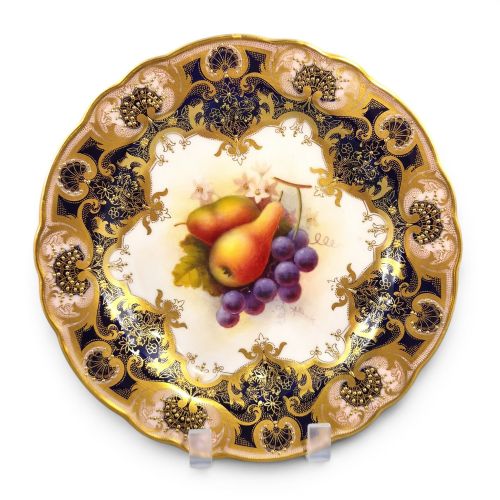
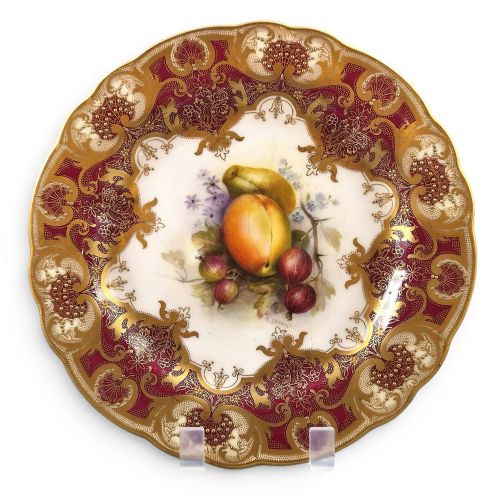
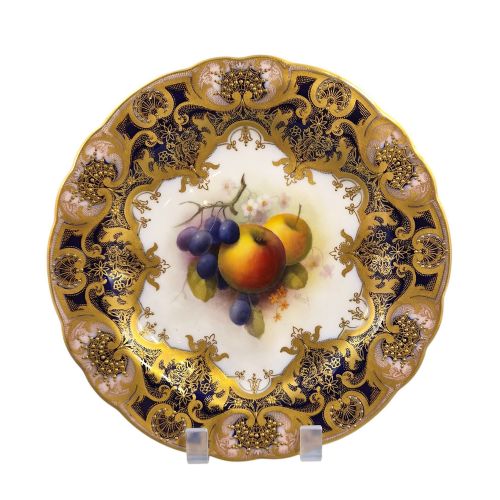
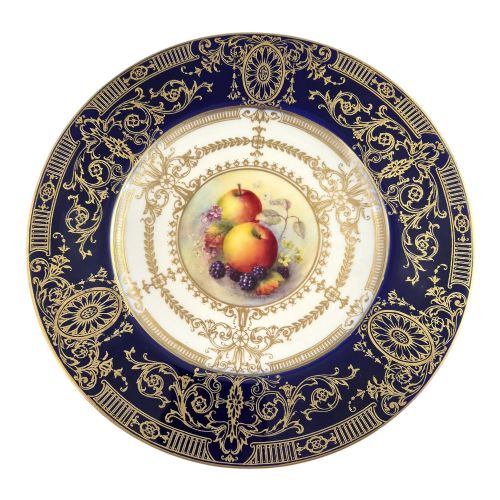
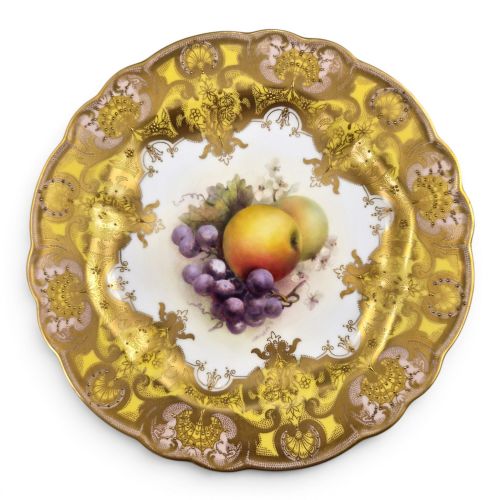
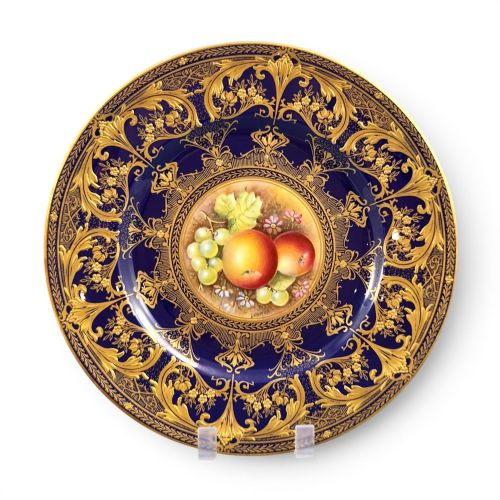
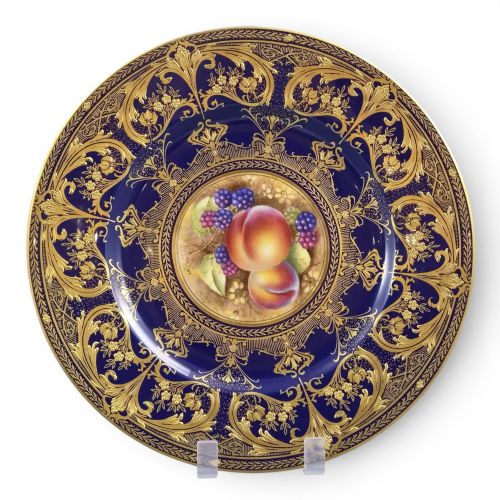
Signed royal worcester china represents hand-painted cabinet plates, vases, coffee pots and small trays produced across several decades. The most common format you will encounter on this page is the painted fruit cabinet plate, though spill vases and floral plates also appear.
The objects span the Edwardian period, George V era, Art Deco years and mid-century decades up to the 1970s. These domestic and decorative items showcase the pinnacle of British ceramic painting traditions from established factory artists.
Materials and Technique
These pieces utilise fine porcelain and bone china bodies, shaped into cabinet plates, vases, jugs and trays. The ceramic base provides a smooth white canvas designed to receive intricate hand-painted decoration.
Artisans applied enamel colours by hand before finishing the edges and details with gold leaf, gilding and gilt accents. Many items combine detailed pictorial scenes with raised gold tooling and rope edge framing.
Signed Royal Worcester China Retail Price Guide 2026
Typical asking prices for signed royal worcester china among the pieces listed under this phrase on Sellingantiques today, from the lower quarter to the upper quarter. They describe what is for sale here now, not the wider market.
Several artists specialised so thoroughly in fruit that their plates became known simply as painted fruit.
Assessing Quality
Quality rests primarily on the skill of the painter and the complexity of the subject matter. Master artists who rendered detailed fruit, sheep or landscapes command greater attention than those executing simpler floral motifs.
The crispness of the gilt work and the richness of the enamel palette further distinguish finer examples. Depth of composition and the naturalism of the painted subject separate standard productions from exceptional works.
Royal Worcester·Richard Sebright·Albert Shuck·Brian Leaman·H Ayrton·Freeman·P Love·William Ricketts·Jas Stinton·Harry Davis
The Signed Royal Worcester China Glossary
- Cabinet plate
- A decorative ceramic plate intended for display in a cabinet rather than for table use. These plates usually feature elaborate painted centres and gilt borders.
- Gilt
- A thin layer of gold applied to the ceramic surface or rim to enhance decoration. It provides a bright metallic contrast to the painted enamel colours.
- Enamel
- A glass-based substance fused to the porcelain surface through firing to create vibrant, permanent colours. It forms the primary medium for the hand-painted scenes.
- Spill vase
- A tall, slender cylindrical vessel designed to hold taper candles or wooden spills used for lighting fires. They often carry landscape or fruit decoration.
Signed Royal Worcester China: Frequently Asked Questions
What are signed royal worcester china pieces?
These are porcelain and bone china decorative objects, including cabinet plates, vases and small trays, bearing the signatures of factory artists. They showcase hand-painted fruit, floral and landscape scenes.
The items date from the Edwardian era through the mid-twentieth century, representing a tradition of British ceramic artistry.
How were these items used originally?
Cabinet plates and decorative dishes were made for visual display in drawing rooms and parlours rather than for daily dining. Vases and spill vases served both ornamental purposes and practical functions.
Owners typically kept them in glass-fronted cabinets to protect the delicate enamel painting and gold leaf work from dust and damage.
How should I live with these ceramics?
Display these pieces securely away from direct sunlight to preserve the vibrant enamel colours over time. Position cabinet plates on stable stands or within enclosed display furniture.
Clean them only with a soft, dry cloth and avoid submerging or using abrasive cleaning agents that could harm the delicate gilding.
How do I identify different periods?
Look to the overall design styles, such as the ornate Edwardian neo-rococo influences or the cleaner lines of the Art Deco era. Factory marks and specific artist signatures help narrow down the production decade.
Comparing the style of the painted subject against known working dates of artists like Richard Sebright or Harry Davis provides further chronological context.