

Signed Print
A signed print carries the direct mark of its maker, bringing an authentic touch of history to any wall.
Signed Print
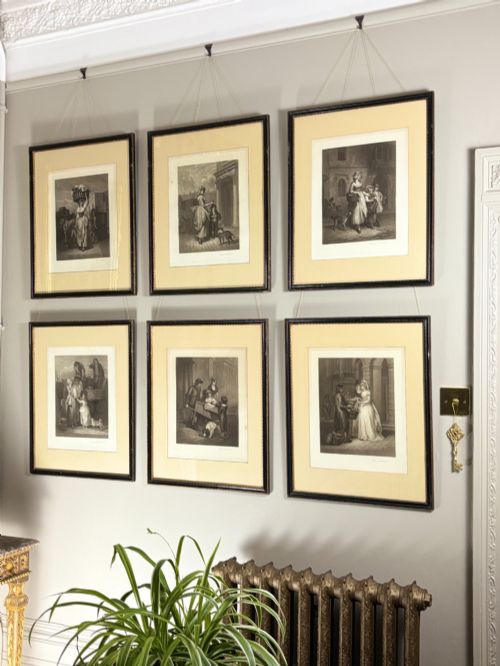
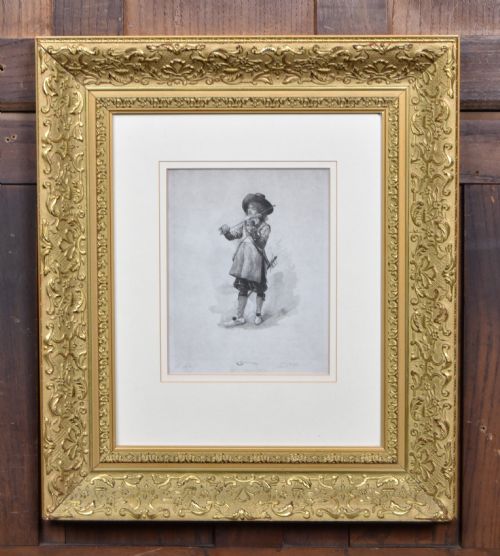
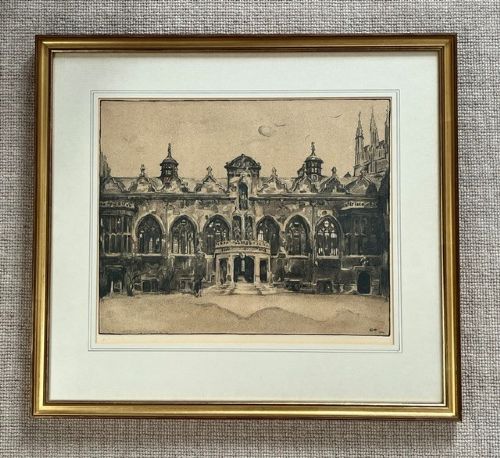
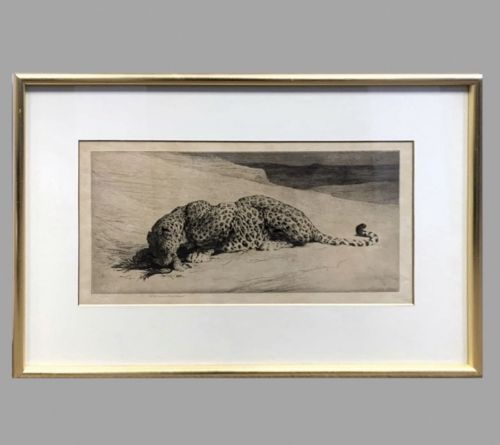
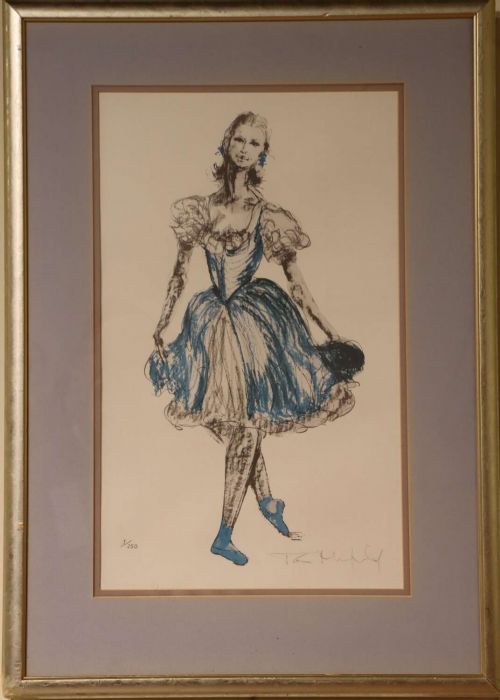
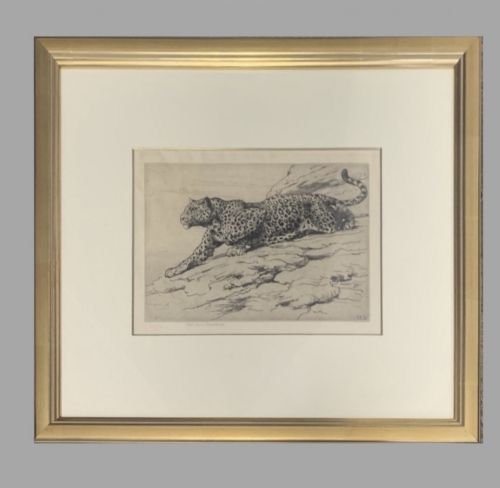
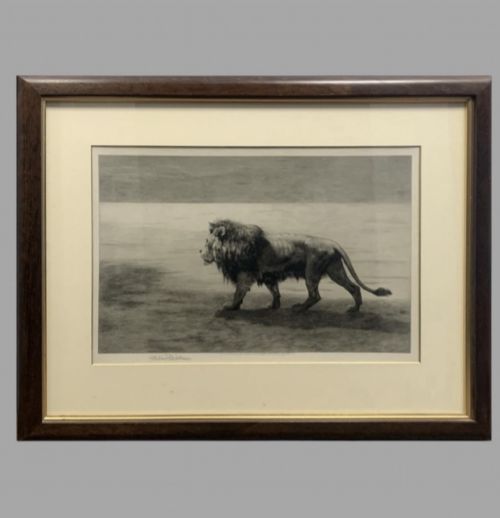
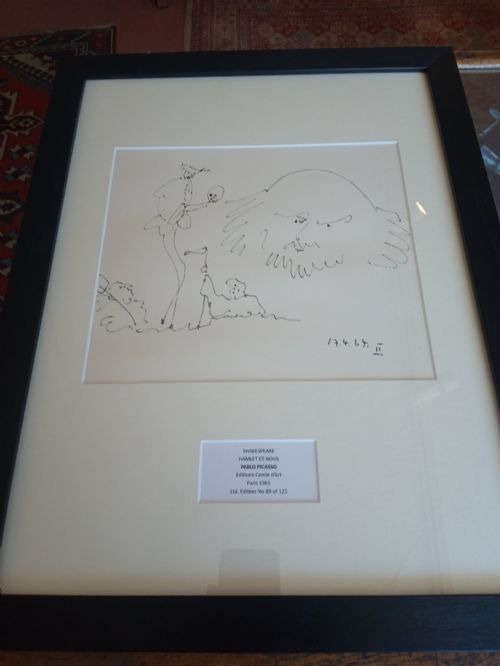
A signed print represents a distinct intersection of graphic art and personal endorsement, bearing the manual signature of the artist or printmaker beneath the image. These works encompass various techniques including original etchings, lithographs, and mezzotints created across the nineteenth and twentieth centuries.
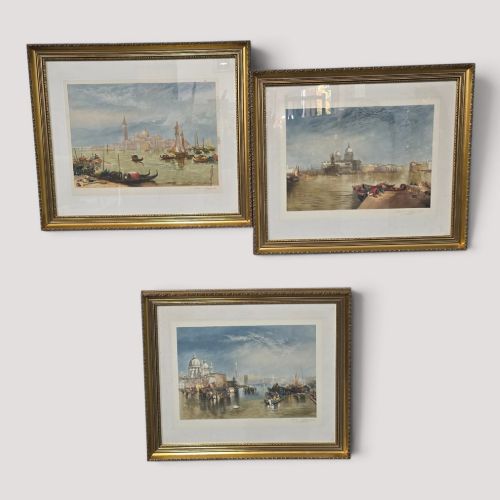
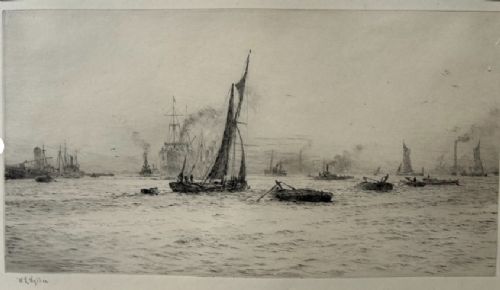
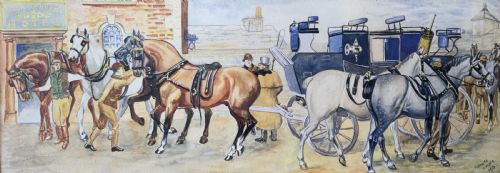
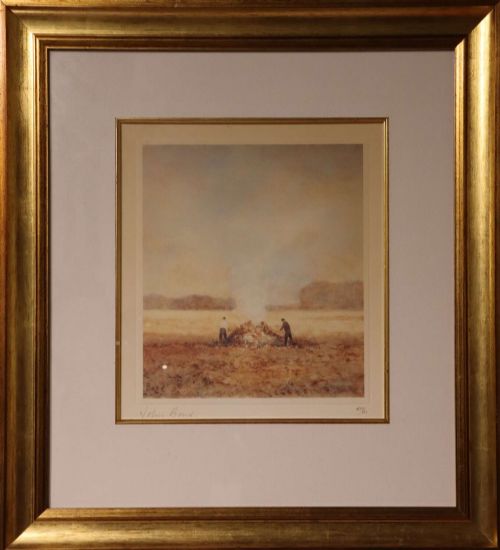
Buyers browsing this selection frequently encounter framed etchings on paper or vellum, alongside limited edition lithographs and pencil-signed plates. The periods represented stretch from Victorian productions and Edwardian maritime scenes through to mid-century modern compositions.
The physical formats span modest framed works to larger gallery pieces, often preserved behind glass within wood or gilt frames. These items capture subjects ranging from wildlife and portraits to architectural studies and coastal landscapes.
Materials and methods of production
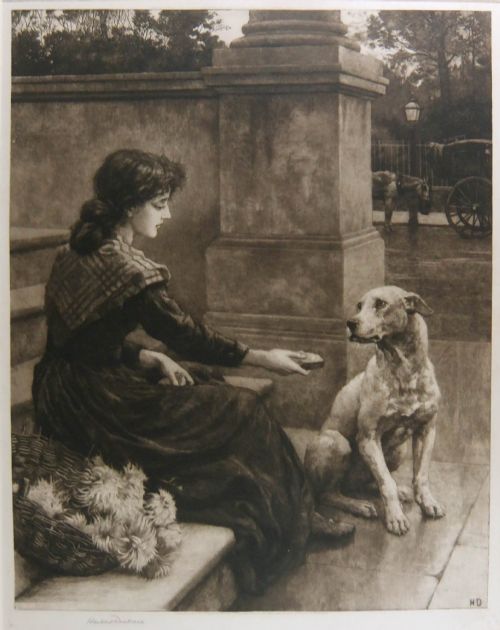
Printmakers utilised traditional presses to transfer ink onto high-grade paper or vellum, employing metal plates for intaglio processes like etching and mezzotint. Artists then inspected the impressions, signing successful proofs in pencil to confirm their personal approval.
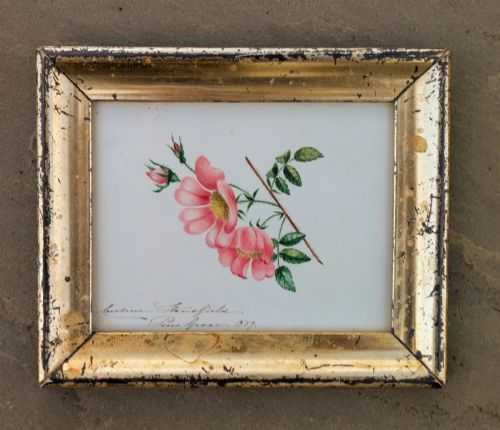
Watercolours and ink drawings executed directly on paper also appear alongside printed works, frequently framed in oak, gilt wood, or moulded mouldings with glass protection. Gold leaf accents and supplementary card mounts complete the presentation of these historic pieces.
Signed Print Retail Price Guide 2026
Typical asking prices for signed print among the pieces listed under this phrase on Sellingantiques today, from the lower quarter to the upper quarter. They describe what is for sale here now, not the wider market.
Look closely for cats, dogs, and wildlife hiding amongst the historical portraits and coastal watercolours.
Distinctions in quality and execution
Quality rests heavily upon the clarity of the inked impression and the crispness of the plate marks left by the press. Stronger proofs display deep tonal contrasts and fine line work without ink blurring or fading.
The status of the signature as an artist's proof rather than a standard signature affects desirability, as do the paper condition and the preservation of original framing materials. Early impressions pulled directly from the artist's plate yield sharper details than later editions.
Harry Bright·Sir William Nicholson·William Lionel Wyllie·Herbert Dicksee·Dame Laura Knight·Sydney Wilson·Augustus Edwin John·Sir Peter Blake
The Signed Print Glossary
- Etching
- An intaglio printmaking technique where lines are bitten into a metal plate with acid before being inked and pressed onto paper.
- Artist proof
- An early trial or proof print kept by the artist separate from the numbered edition, bearing a direct pencil signature.
- Mezzotint
- A tonal printmaking method on a copper plate that achieves subtle gradations of light and shade.
- Vellum
- A fine parchment material prepared from calfskin, frequently utilised for printing high-grade etchings.
- Lithograph
- A planographic printing process using a flat stone or metal plate to hold ink via grease and water repulsion.
Signed Print: Frequently Asked Questions
How do I identify an original signature?
An authentic artist signature appears in handwritten pencil beneath the printed image rather than being printed directly onto the paper during production.
Examining the signature under magnification reveals graphite texture on top of the paper fibres rather than flat ink beneath the surface.
What is an artist proof?
An artist proof is an impression pulled during the printmaking process for the creator to inspect quality before the main edition is printed.
These proofs often carry specific annotations and are prized by collectors for their early pull quality.
How should I frame these works?
These works require framing behind glass with acid-free mounts to protect the delicate paper and ink from atmospheric moisture and ultra-violet light.
Preserving original frames where present helps maintain the historical integrity of the piece.
Are these works unique?
While the imagery exists in multiple impressions across an edition, each signed print remains distinct due to the individual printing variations and handwritten signature.
Limited editions restrict the total number of impressions pulled from the plate.