

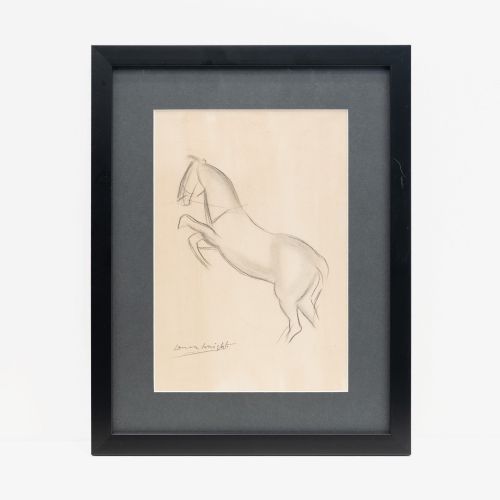
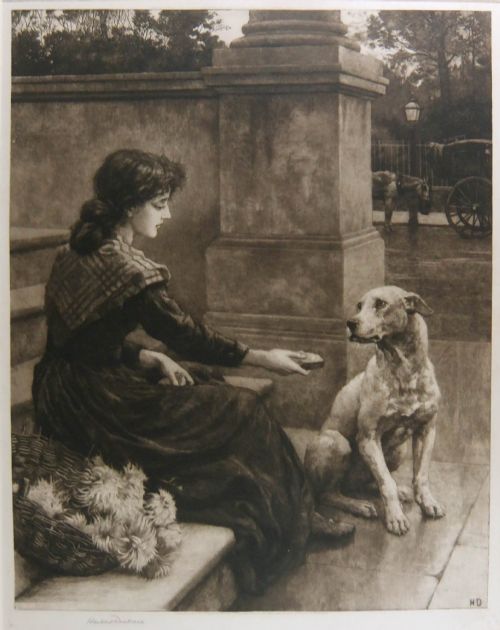
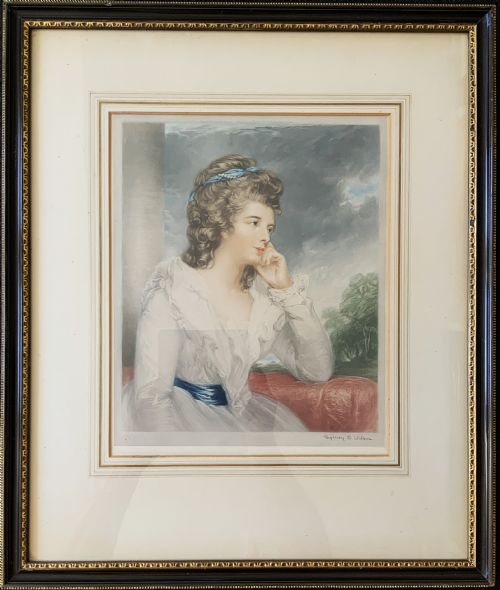
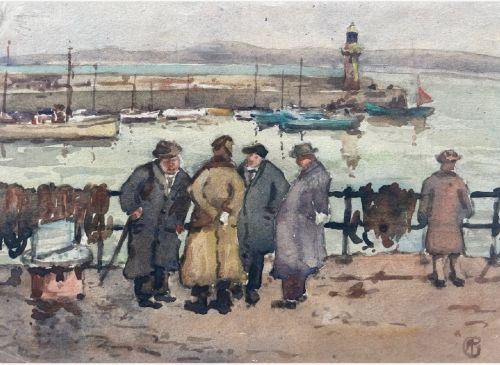


Signed Print on Paper
A signed print on paper delivers authentic character directly from the hand of the artist onto your wall.
Signed Print on Paper
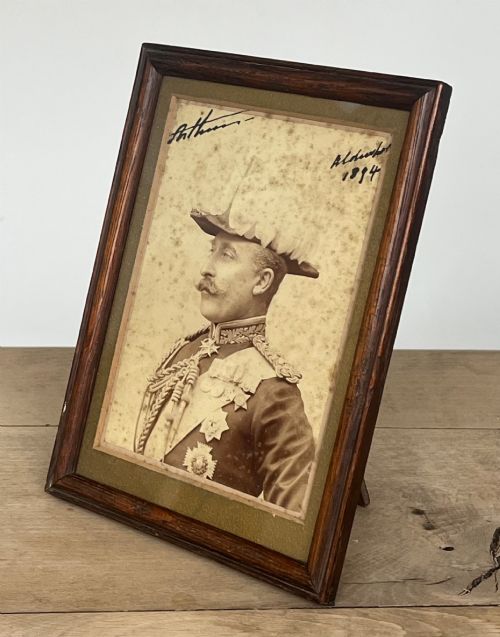
A signed print on paper brings together historical depth and personal validation through pencil signatures or monograms applied by the creator. Buyers searching for a signed print on paper encounter works spanning from the Victorian era through the mid-twentieth century, including etchings, lithographs, and watercolours.
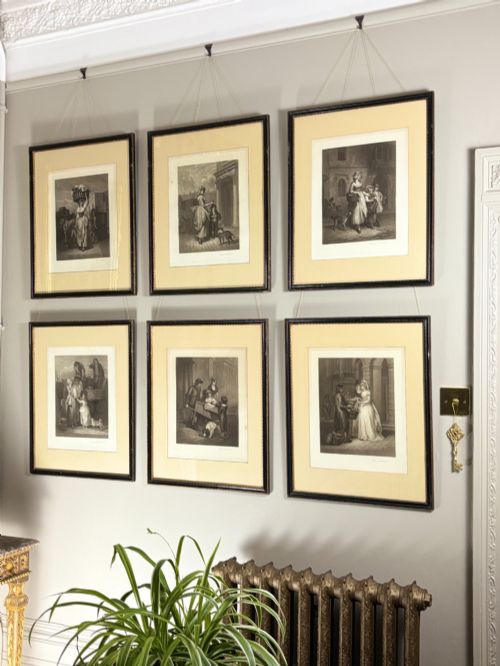
Framed artwork and wall art dominate the current selection, offering ready-to-hang pieces housed behind glass in wood or gilt wood frames. Etchings and fine art prints form the majority of these offerings, often produced as limited editions or artist proofs from recognised early twentieth-century makers.
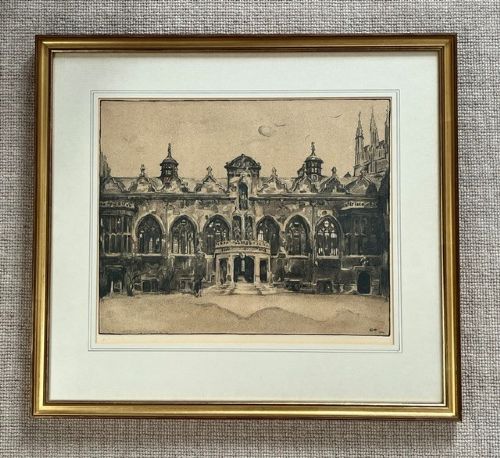
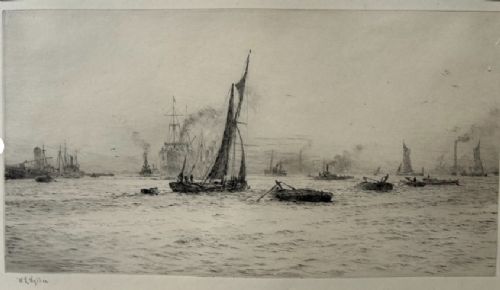
Stylistic variety runs from Gothic Revival and Edwardian Maritime scenes to Art Deco and Modern British compositions. Pieces range from detailed animal studies and architectural views to coastal landscapes and figure portraits.
Materials and Techniques
Works are executed on paper supports using ink, graphite, watercolour, or pigments, frequently secured behind protective glass within wooden framing. Etching and drypoint techniques involve incising lines into a metal plate to hold ink, whereas lithography utilises planographic printing surfaces.
Artists augmented standard impressions with hand-applied touches of watercolour or selected special papers for limited edition artist proofs. Framing often incorporates traditional wood moulding, sometimes finished with gold leaf or gilt detailing to complement the artwork.
Signed Print on Paper Retail Price Guide 2026
Typical asking prices for signed print on paper among the pieces listed under this phrase on Sellingantiques today, from the lower quarter to the upper quarter. They describe what is for sale here now, not the wider market.
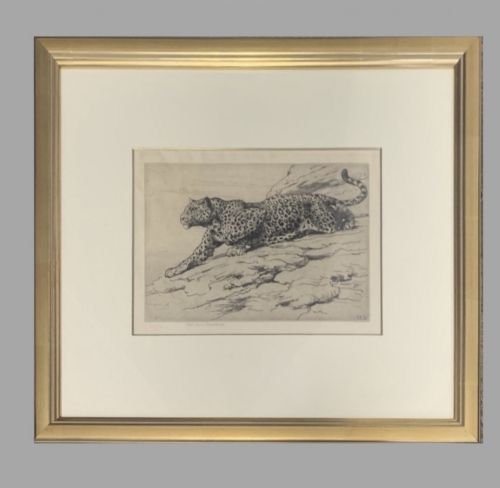
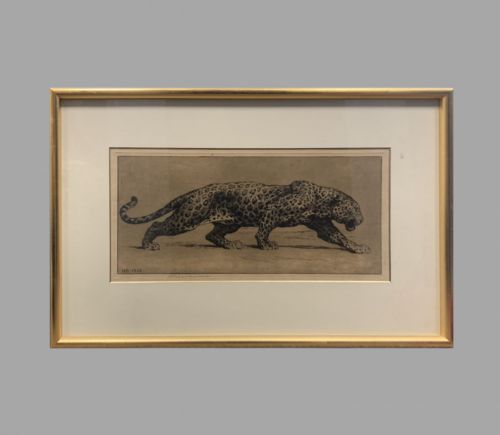
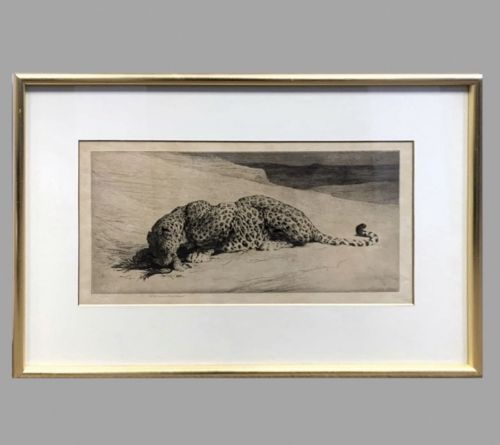
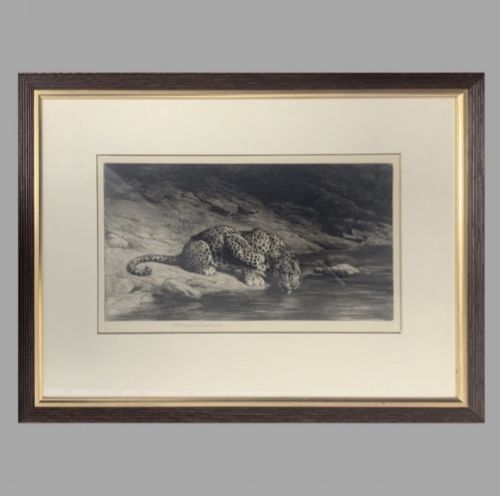
Look closely for the stray paw prints and jungle fowls that inhabit the margins of early twentieth-century leopard studies.
Distinctions in Quality
Quality separates standard commercial reproductions from deliberate artist proofs and original pencil-signed plates pulled in limited runs. The clarity of the inked impression and the crispness of the pencil signature indicate the direct involvement of the printmaker or artist.
The integrity of the paper support, the subtlety of hand-colouring where present, and the quality of the period framing contribute to the overall standing of an individual piece.
Harry Bright·Sir William Nicholson·William Lionel Wyllie·Herbert Dicksee·Dame Laura Knight·Sydney Wilson·George F Pennington·Anne Goldthwaite·John Merrifield·Sir Peter Blake·Snaffles·Augustus Edwin John·Edith E Caswall·Fred Lawson·Edgar J Maybery·Louis Icart·Robin Hill·Albert Terry·Norman Janes·Frank Greenwood·F Petitjean·CB Prescott
The Signed Print on Paper Glossary
- Artist proof
- A trial impression pulled to allow the artist to check the state of the printing plate before the main edition is produced. These are typically annotated and signed in pencil by the maker.
- Drypoint
- A printmaking technique where an image is scratched directly onto a metal plate using a sharp needle. This method creates a distinctive velvety burr along the incised lines that holds extra ink during printing.
- Etching
- A process where lines are bitten into a metal plate using acid rather than direct mechanical force. The resulting plate retains ink in the recessed grooves for transfer to paper under pressure.
- Aquatint
- A variant of etching that produces tonal areas resembling watercolour washes through the use of resin acid-resisting grounds. It is often combined with standard line work to add depth and shadow.
- Mezzotint
- A tonal printmaking method where the printing plate is roughened uniformly to produce dark backgrounds before being scraped to create highlights. It yields rich gradations of tone without relying on line.
Signed Print on Paper: Frequently Asked Questions
How do I care for a signed print on paper?
Keep works out of direct sunlight to prevent fading of the ink, watercolour, and paper support.
Ensure framing remains sealed behind glass to protect the delicate surface from moisture and atmospheric dust.
What is the difference between an etching and a poster?
An etching is an original print pulled from a hand-worked metal plate, often bearing a pencil signature from the artist.
A poster is a commercial reproduction intended for advertising or display, produced in larger quantities without individual artist verification.
How can I tell the period of a framed artwork?
Examine the framing materials, backing boards, and any handwritten inscriptions or labels attached to the reverse.
Stylistic cues within the imagery, such as Edwardian attire or Art Deco geometry, also point to the era of creation.
Are all signed prints limited editions?
Many professional prints from the twentieth century were issued in numbered limited runs or as exclusive artist proofs.
However, some nineteenth-century works and watercolours exist as unique standalone pieces rather than part of a numbered edition.