

Signed Print Artwork
Signed print artwork brings together autograph editions, etchings and watercolours carrying the distinct mark of their creator's hand.
Signed Print Artwork
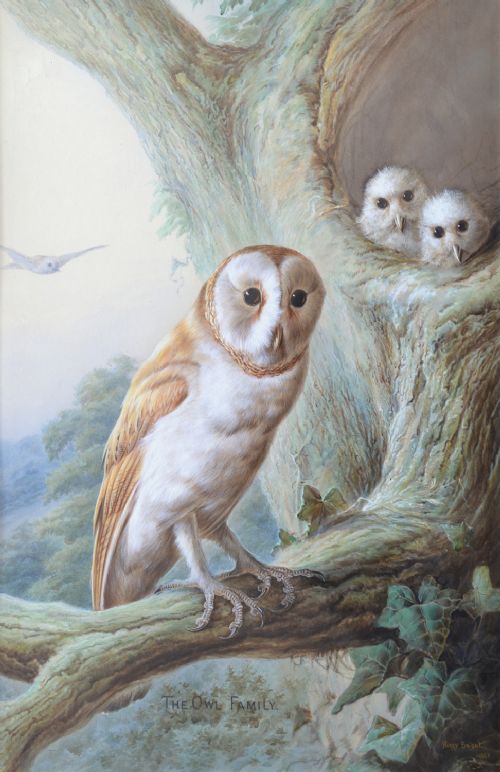
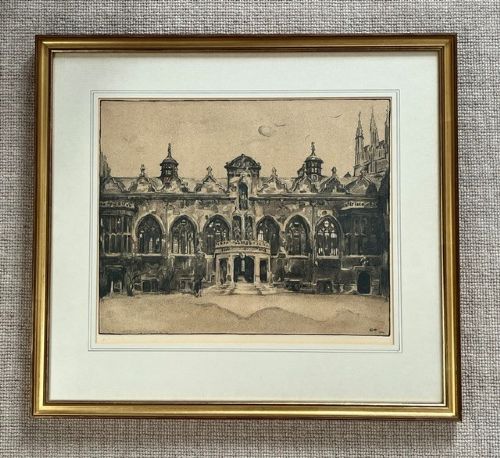
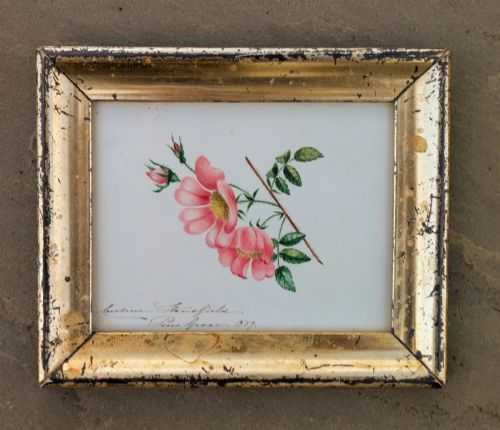
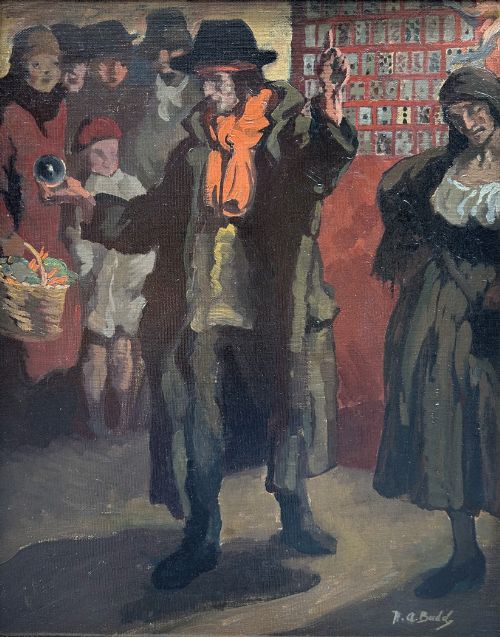
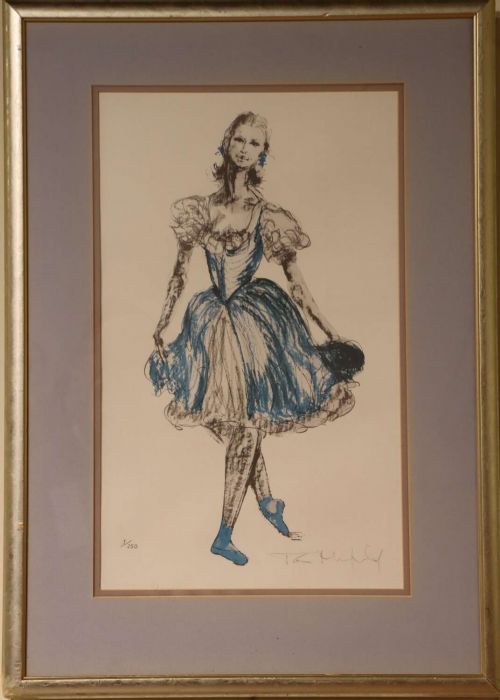
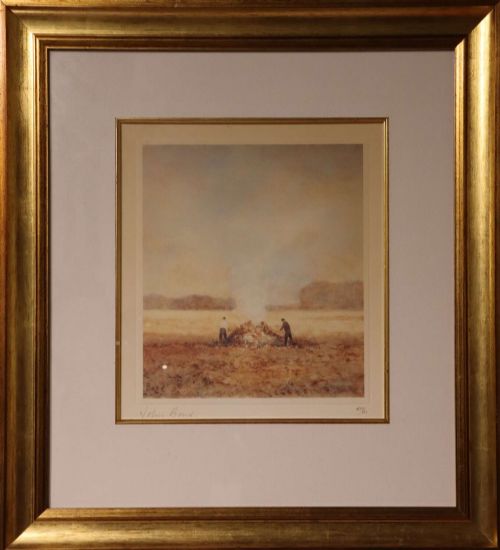
A signed print artwork comprises pieces where the creator has personally applied a signature, linking the individual image directly to the hand that planned it. On this page, these items span from nineteenth-century watercolours and etchings to mid-century limited edition lithographs.
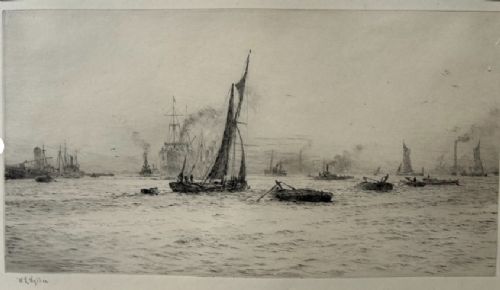
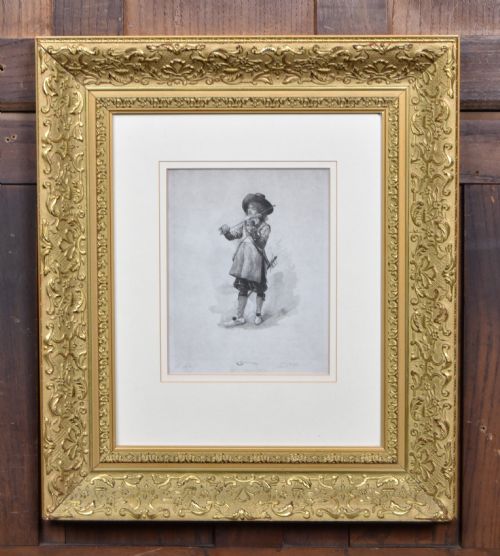
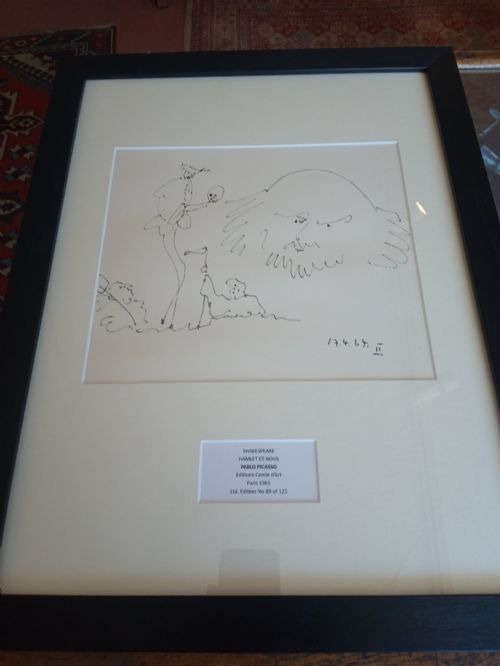
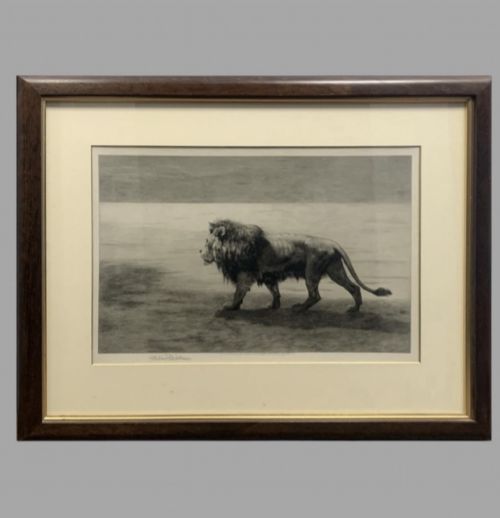
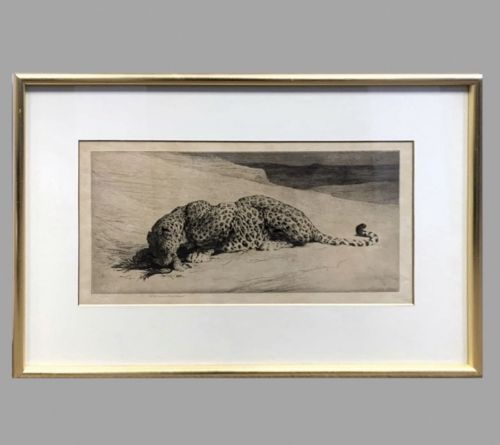
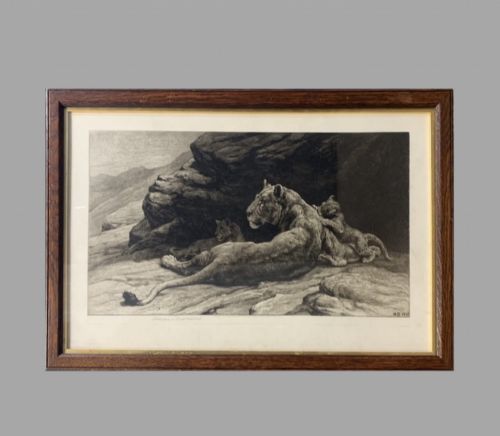
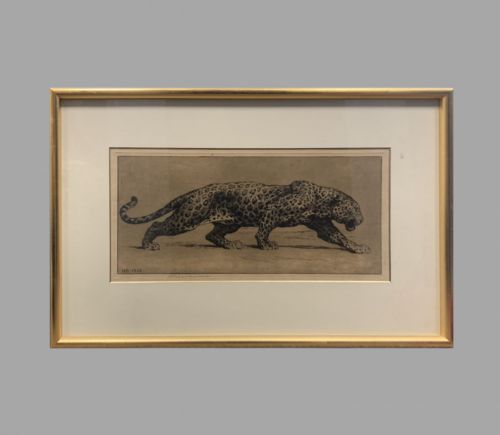
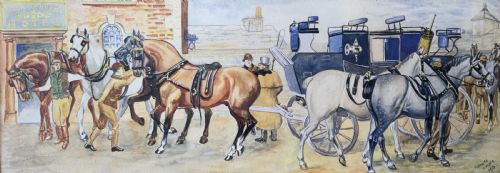
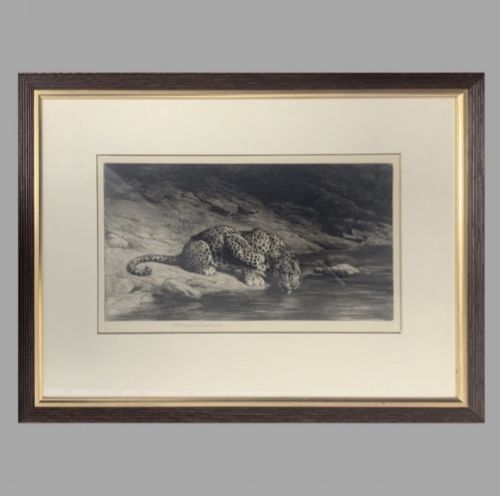
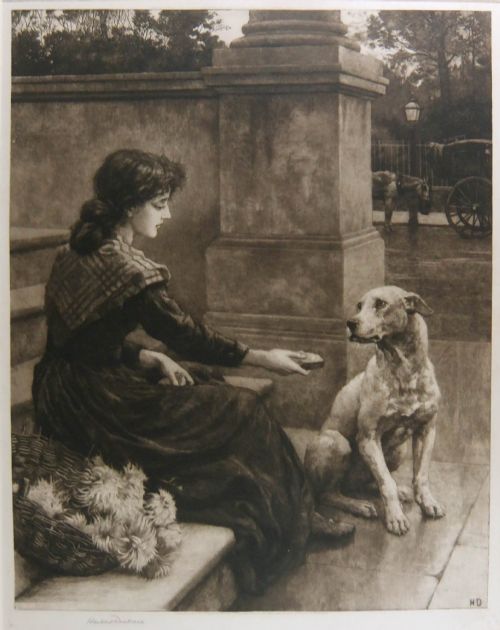
The selection ranges across diverse formats including framed prints, wall art, pencil-signed etchings and drawings. Buyers encounter works produced across Victorian, Edwardian and mid-century periods, capturing subjects from maritime scenes to animal portraits.
Makers and artists represented include figures like Herbert Dicksee, Sir William Nicholson and William Lionel Wyllie. Each item presents a tangible record of historical printmaking and painting traditions.
Materials and Methods
Makers utilised paper, vellum and canvas as the primary surfaces for these works. Ink, watercolour, oil paint and gold leaf appear frequently across the items.
Techniques combine traditional printing methods such as etching, drypoint, mezzotint and lithography with direct drawing in pencil and ink. Framing often involves wood, glass and gilt frames that preserve the fragile works on paper.
Signed Print Artwork Retail Price Guide 2026
Typical asking prices for signed print artwork among the pieces listed under this phrase on Sellingantiques today, from the lower quarter to the upper quarter. They describe what is for sale here now, not the wider market.
Among the portraits and landscapes, a stylish cat in oil pastels and a Pekingese dog sit quietly in the archive.
Evaluating Quality and Execution
Quality rests upon the crispness of the impression and the fidelity of the signature to the artist's known hand. Stronger examples display clear plate marks in etchings and vibrant preservation of pigments in watercolours.
The choice of medium and support also dictates quality, with vellum impressions and artist proofs generally holding greater distinction than standard commercial runs. Original framing and provenance labels further elevate the standing of an individual piece.
Harry Bright·Sir William Nicholson·William Lionel Wyllie·Herbert Ashwin Budd·John Bond·Herbert Dicksee·John Meredith·Pablo Picasso·Dame Laura Knight·Sydney Wilson·Anne Goldthwaite·Thomas G Appleton·John Merrifield·Sir Peter Blake·Augustus Edwin John·Edith E Caswall·William Russell Flint·Fred Lawson·Frank Wood·R P Phillimore·Florence Mabel Hollams·Edgar J Maybery
The Signed Print Artwork Glossary
- Artist proof
- An early trial impression pulled off the printing plate before the main edition is printed. These are retained by the creator and often carry annotations.
- Drypoint
- A printmaking technique where an image is scratched directly onto a metal plate with a sharp needle. This creates a distinctive burr that yields rich, velvety lines.
- Etching
- A process where lines are bitten into a metal plate with acid before ink is applied and transferred to paper. It allows for fine detail and varied tonal depth.
- Lithography
- A planographic printing method based on the repulsion of oil and water on a flat stone or metal plate. It permits fluent, painterly marks to be replicated.
- Mezzotint
- A tonal printmaking method where the metal plate is roughened uniformly to produce rich darks and gradual transitions to light. It was widely used for portraiture.
Signed Print Artwork: Frequently Asked Questions
How do I identify a signed print from a standard reproduction?
Examine the surface under magnification to check for actual ink application, plate impressions and pencil signatures rather than dot-matrix printing patterns. Genuine signed pieces often show subtle variations unique to hand-pulled printing.
Look for collector provenance, artist proof markings and paper characteristics appropriate to the stated period of production.
What is the difference between an etching and a lithograph?
An etching involves incising lines into a metal plate using acid or sharp tools, resulting in indented lines that hold thick ink. Lithography relies on chemical repulsion on a flat stone or plate surface.
Etchings typically display a distinct plate mark indented into the paper margins, whereas lithographs sit flat upon the sheet.
How should I care for antique works on paper?
Keep works away from direct sunlight and high humidity to prevent paper degradation and fading of inks or watercolours. Ensure framing uses acid-free mounts and conservation glass.
Avoid hanging pieces in rooms with fluctuating temperatures such as kitchens or bathrooms to protect the wooden frames and paper fibres.
What does artist proof mean on a print?
An artist proof is an impression pulled outside the regular numbered edition for the creator's personal inspection or record. These are traditionally marked in pencil and can be desirable to collectors.
They demonstrate the creator's direct involvement in approving the print quality before mass production of the edition.