

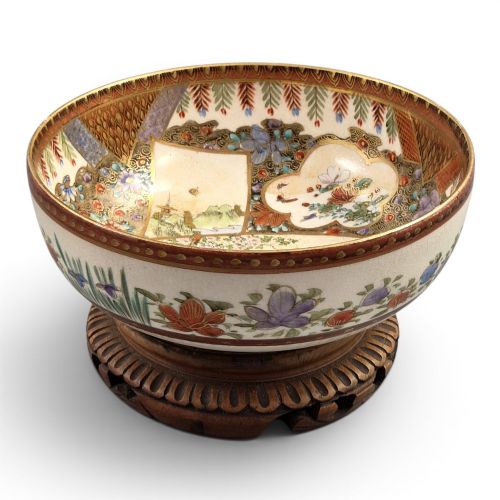


Signed Porcelain Dish
A signed porcelain dish brings master painting to ceramics, offering hand-finished artistry from prominent makers.
Signed Porcelain Dish
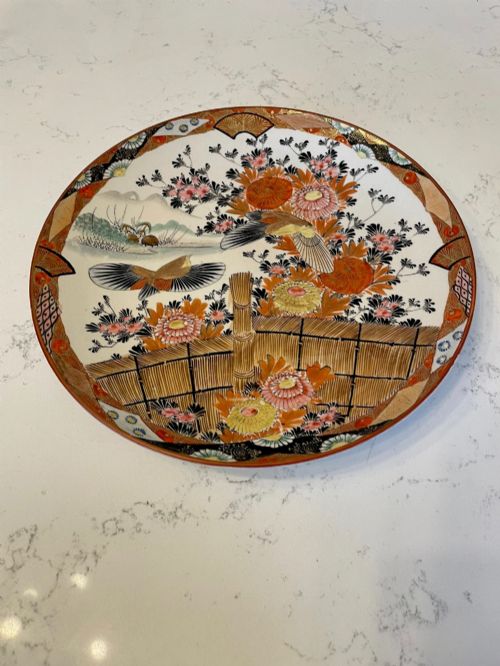
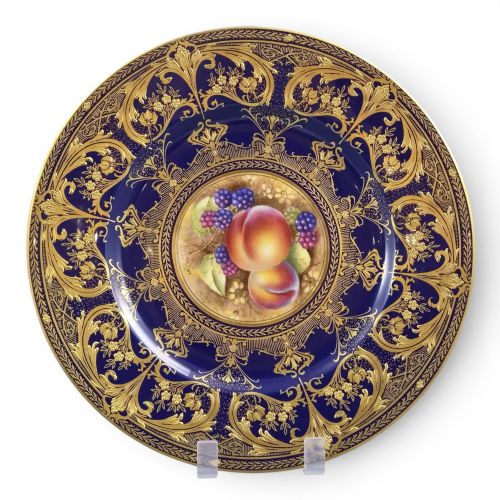
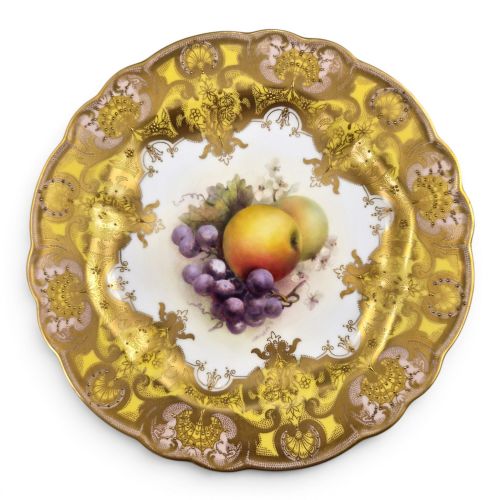
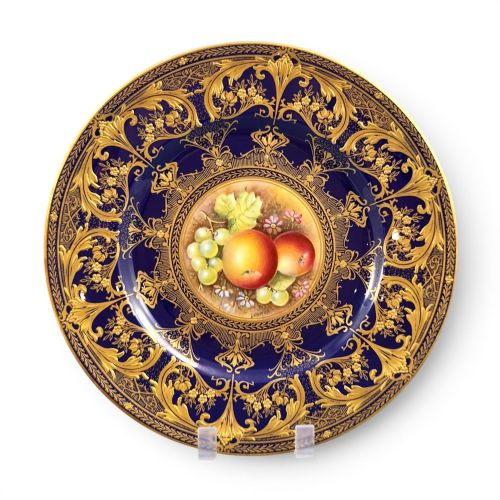
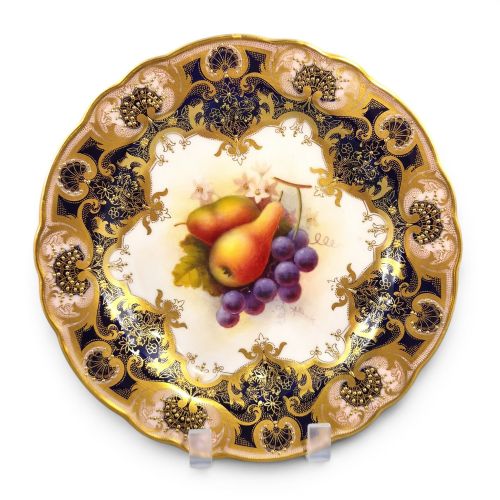
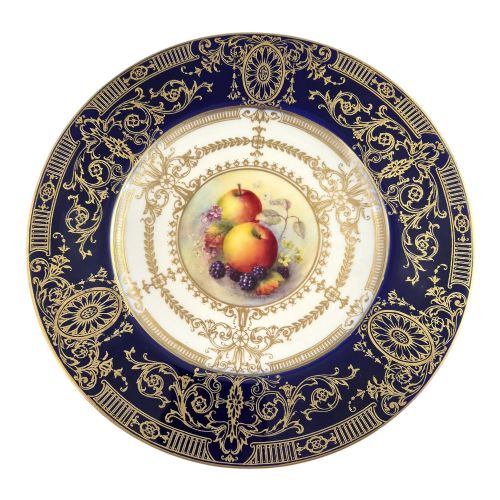
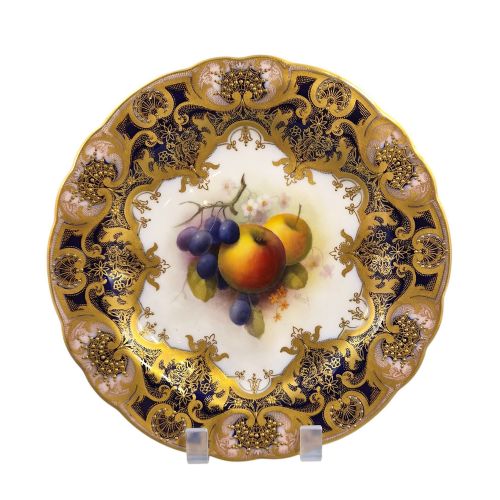
A signed porcelain dish is a ceramic form bearing the signature or mark of an individual artist or pottery, combining functional tableware with fine art. When you search for a signed porcelain dish, you encounter cabinet plates, decorative bowls, chargers, and small trays intended for display rather than daily service. The pieces seen here span from the nineteenth century through the mid-twentieth century, encompassing both British manufactories and Japanese Satsuma workshops.
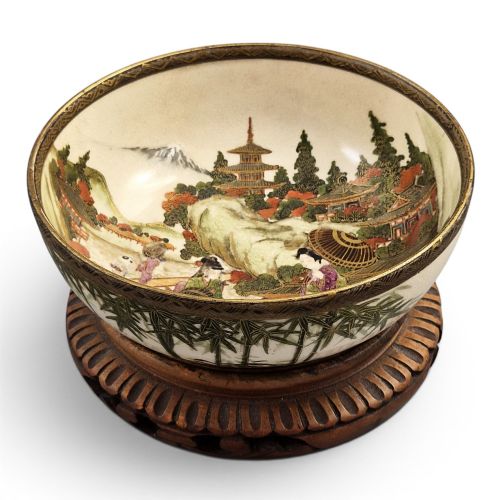
British works on this page lean heavily towards hand-painted botanical and fruit studies by known porcelain artists, particularly from Royal Worcester. Alongside these sit Japanese Meiji period bowls and chargers featuring intricate enamel work and gilt highlights, carrying the signatures of makers such as Gyokkō and Kozan. These diverse geographic origins mean a buyer might choose between refined European naturalism and elaborate Asian decorative traditions.
Materials and construction
The foundation of these objects is hard-paste porcelain, bone china, or earthenware, shaped into plates, bowls, and trays before initial firing. Artisans then applied painted decoration using enamel colours, often incorporating gold leaf or gilding to accent borders and motifs. Japanese pieces utilise specialised techniques such as Totai Shippo cloisonné over porcelain, creating textured surfaces like tree bark alongside painted figural scenes.
Painting required steady brushwork, particularly for the detailed fruit, floral, and portrait subjects executed by factory artists. Once decorated, the ceramics underwent subsequent firings to fix the pigments and metals permanently to the glaze, resulting in a durable glossy finish that preserves the artist's signature.
Signed Porcelain Dish Retail Price Guide 2026
Typical asking prices for signed porcelain dish among the pieces listed under this phrase on Sellingantiques today, from the lower quarter to the upper quarter. They describe what is for sale here now, not the wider market.
Listings feature works from the nineteenth century through the 1970s, utilising porcelain, bone china, and earthenware.
Assessing quality and execution
Quality in these pieces rests primarily on the skill of the painter and the clarity of the signature. Plates and bowls decorated by celebrated artists demonstrate superior brush control, particularly in shading, depth of colour, and anatomical or botanical accuracy.
The application of gold leaf and enamel depth further distinguish standard production items from masterworks. Pieces featuring intricate gilding, well-preserved cobalt blue grounds, and documented artist attributions represent the finer end of the available range.
Royal Worcester·Royal Vienna·Royal Crown Derby·Royal Doulton·Kinkozan
The Signed Porcelain Dish Glossary
- Cabinet plate
- A decorative ceramic plate intended for display in a cabinet or on a wall rather than for dining. These items often feature elaborate hand-painted scenes.
- Charger
- A large decorative plate or shallow bowl used traditionally as a base piece or hung as wall art. They provide a broad canvas for complex painted or cloisonné designs.
- Gilding
- The application of gold leaf or gold paint to ceramic surfaces for decorative accent. This technique highlights rims, handles, and borders.
- Satsuma
- A type of Japanese earthenware originating from the Satsuma province, typically characterised by a crackled ivory glaze and detailed polychrome enamel and gilt decoration.
- Totai Shippo
- A Japanese technique combining porcelain bodies with cloisonné enamel decoration. It creates a textured, tactile surface often resembling materials like tree bark.
Signed Porcelain Dish: Frequently Asked Questions
What is a signed porcelain dish?
A signed porcelain dish is a ceramic plate, bowl, or tray featuring the personal signature or cipher of the artist who painted it. These signatures distinguish individual works from mass-produced factory items.
Such marks help identify the specific hand behind the decoration, connecting the object directly to a known ceramic artist or studio.
How do I display a cabinet plate?
Cabinet plates are best displayed using dedicated wall hangers or sturdy display stands inside glass-fronted furniture. This keeps the painted surface safe from dust and accidental knocks.
Positioning them away from direct sunlight preserves the vibrancy of the enamel colours and prevents the gilding from fading over time.
How do I identify Meiji period Satsuma?
Meiji period Satsuma pieces are identified by their characteristic cream-coloured crackle glaze, intricate enamel patterns, and heavy use of gold. Signatures of makers like Gyokkō or Kozan often appear on the base.
These items reflect the distinct aesthetic output of late nineteenth and early twentieth-century Japanese ceramic workshops.
Are these dishes meant for food?
Most antique cabinet plates and decorative bowls are intended for display and visual appreciation rather than culinary use. The delicate nature of the enamels and gold leaf means regular washing can wear down the painted details.
Using them strictly as decorative art objects ensures the signed surfaces remain intact for future collectors.