


Signed Mid Century Art
Signed mid century art brings together paintings, watercolours and drawings bearing the authentic mark of the artist's hand.
Signed Mid Century Art
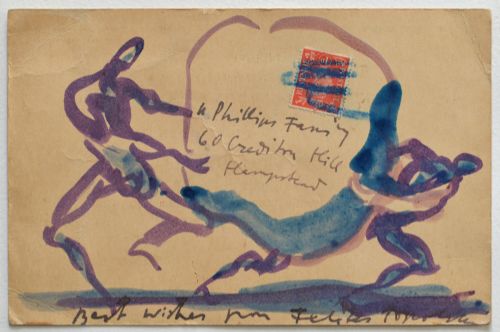
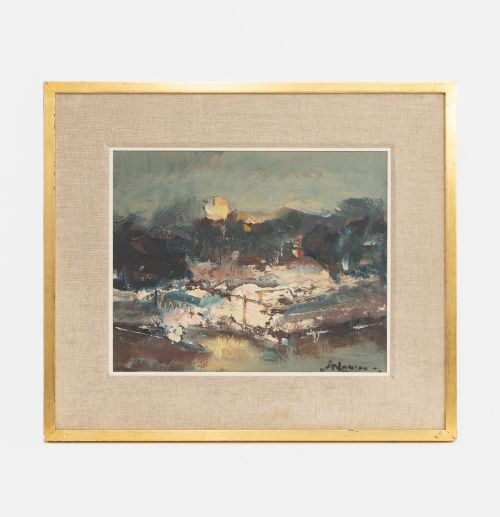
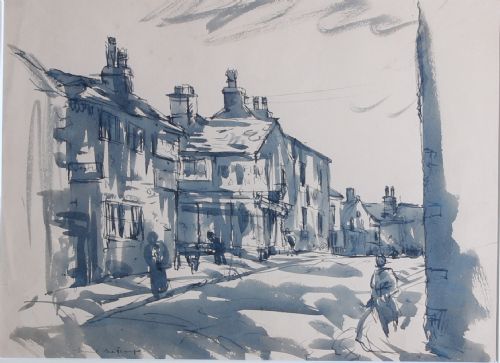
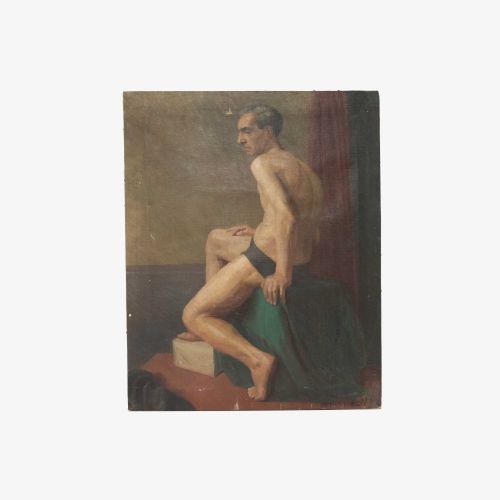
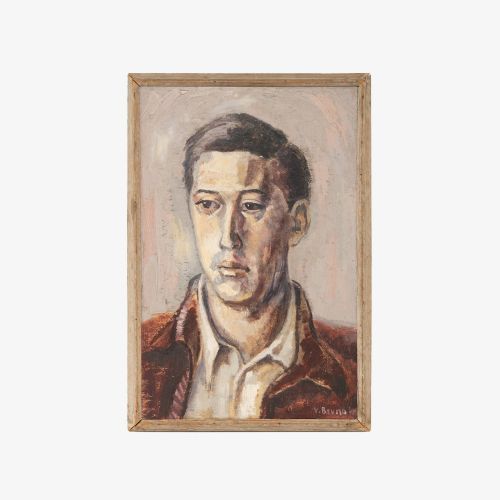
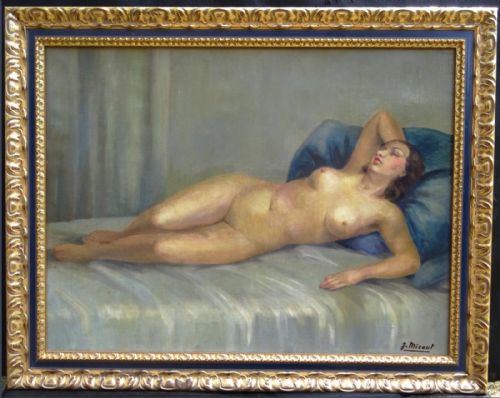
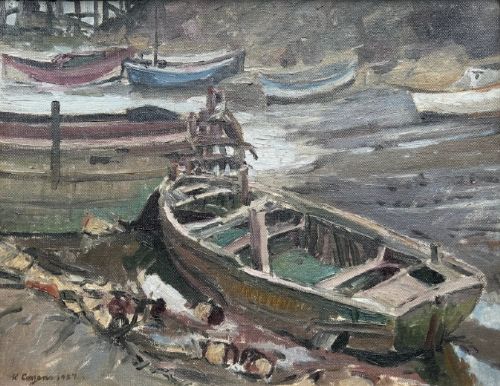
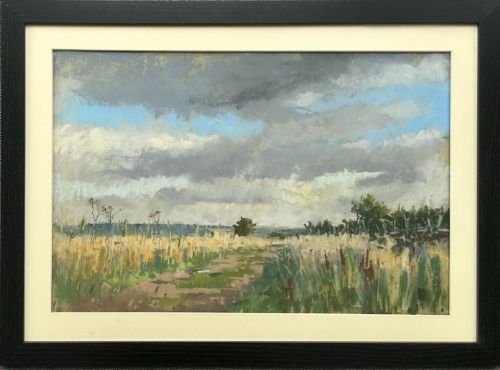
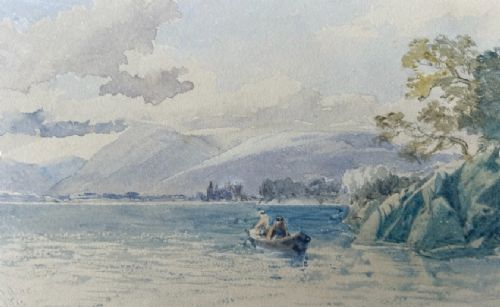
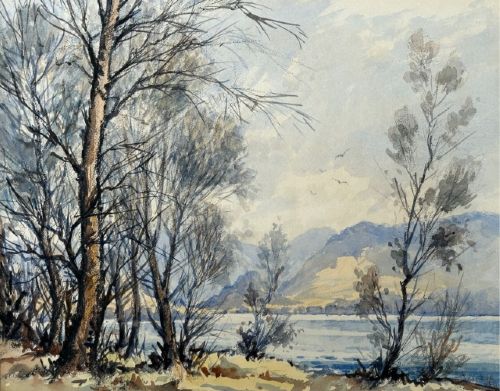
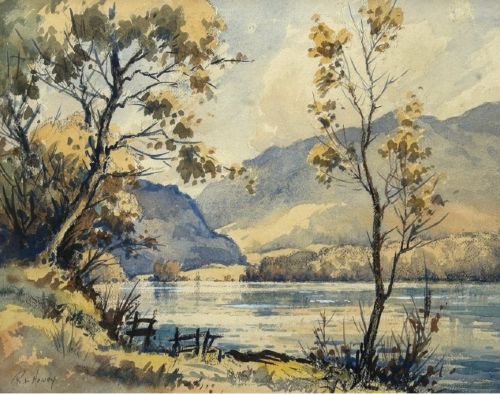
Signed mid century art encompasses original works executed in oil, watercolour, pastel, gouache and ink across various mid-century aesthetics. These creations include landscapes depicting Cumbrian lakes and Yorkshire dales, maritime scenes, portraits, and abstract compositions dated from the nineteen-forties to the sixties.
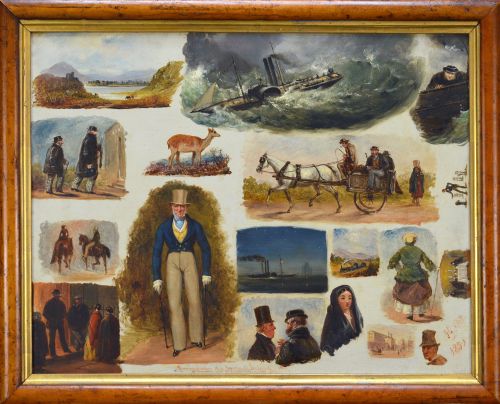
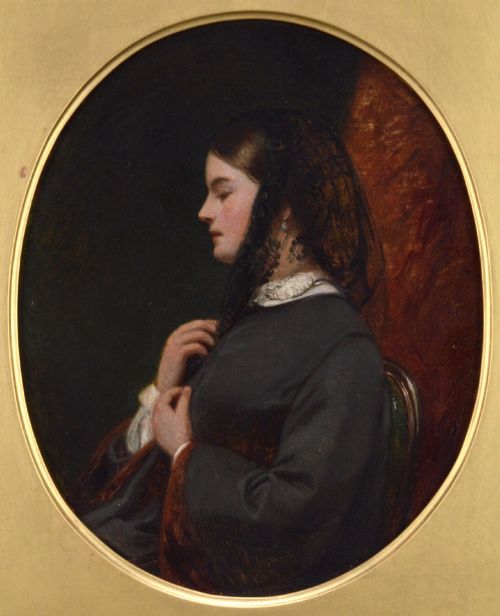
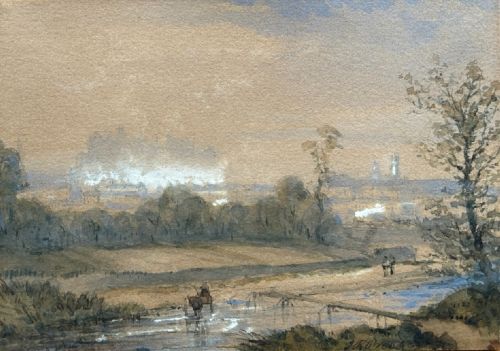
Alongside twentieth-century pieces, the selection incorporates earlier nineteenth-century watercolours and portraits, providing historical context for later modernist developments. The overarching category focuses on autographic works rather than anonymous studio output.
How they were made
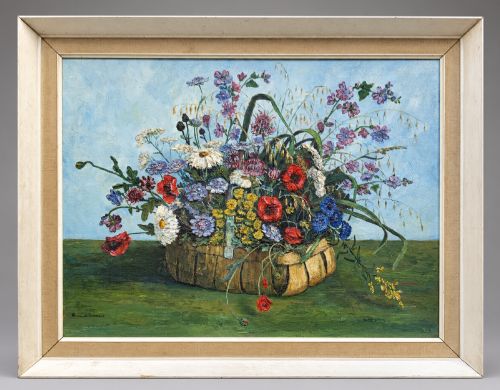
Makers applied oil paint, watercolour, pastel and ink to supports including canvas, stretched paper, wood panels and board. Oil on canvas and board yielded rich textures in still lifes and coastal scenes, while watercolours and pastels captured transient light in landscape studies.
Artists employed traditional methods such as en plein air painting for coastal views and structured studio techniques for portraits and figurative studies. Framing materials typically comprise wood surrounds that protect works executed on paper and canvas.
Signed Mid Century Art Retail Price Guide 2026
Typical asking prices for signed mid century art among the pieces listed under this phrase on Sellingantiques today, from the lower quarter to the upper quarter. They describe what is for sale here now, not the wider market.
Listings span periods from the nineteenth century through the nineteen-sixties, incorporating oils, watercolours, and pastels.
What varies in quality
Quality rests upon the sureness of the draftsmanship, the control of the chosen medium and the strength of the composition. A confident application of paint or pastel creates depth and presence, whereas hesitant mark-making results in flat imagery.
The significance of the maker influences distinction, as documented artists demonstrate greater mastery of tone, colour harmony and subject execution. Preservation of the original surface, pigment stability and the integrity of the support further determine the standing of each piece.
Muriel Metcalfe·Angus Rands·Kenneth Cozens·Thomas Miles Richardson Jnr·John R Prentice·Robert Leslie Howey·Frank Dobson·Eric Brown·John Meredith·Pablo Picasso·Charles James McCall·Sidney A Court·John Rattenbury Skeaping·Dame Elisabeth Frink·Septimus Scott·Fernando Del Basso·Philippa Maynard Romer·William Littlejohn
The Signed Mid Century Art Glossary
- En plein air
- Painting outdoors to capture direct observations of light and atmosphere. This practice became central to landscape and marine artists working on location.
- Monogram
- A motif made by overlapping or combining two or more letters to form a recognizable cipher. Artists frequently used these initials in place of a full signature.
- Gouache
- An opaque water-based paint that dries to a matte finish. It offers greater coverage than traditional watercolour and was often combined with pastel.
- Provenance
- The chronological documentation of the ownership history of a work of art. Clear provenance establishes authenticity and traces the journey of a painting through time.
- Medium
- The material used by an artist to create a work, such as oil paint, watercolour or pastel. The choice dictates the visual texture and handling of the piece.
Signed Mid Century Art: Frequently Asked Questions
How do I identify a signature?
Signatures typically appear in the lower corners of the canvas, board or paper, rendered in paint, ink or pencil. They may take the form of full names, initials or monograms applied by the artist at the completion of the work.
Comparing the signature style to documented examples or exhibition records helps confirm authorship. Some works also feature inscriptions on the reverse detailing the location or date.
Where should I hang these works?
These paintings and works on paper suit spaces with controlled ambient light away from direct sunlight, which can fade watercolours and canvas pigments over time. Pairing them with neutral walls allows the varied palettes of mid-century landscapes and portraits to stand out.
Consider eye-level placement in living areas or studies where the details of the brushwork and signature can be appreciated up close.
How do I care for works on paper?
Works executed on paper, pastel or watercolour require protection behind glass with acid-free mount boards to prevent degradation. Keeping them away from excessive humidity and direct heat sources safeguards the delicate pigments and paper supports.
Dust frames gently with a dry cloth and avoid using liquid cleaners near the exposed edges of paper or canvas.
What defines the mid-century style?
Mid-century art reflects a shift toward abstraction, simplified forms and expressive brushwork while retaining connections to traditional landscape and figurative subjects. Artists experimented with bold colour palettes and constructivist layouts alongside impressionist interpretations.
This period bridges historic academic training with modern sensibilities, resulting in diverse visual expressions across Britain and continental Europe.