



Signed Fruit Porcelain
Signed fruit porcelain brings hand-painted orchard studies to cabinet plates and vases, offering detailed fruit decoration by named artists.
Signed Fruit Porcelain
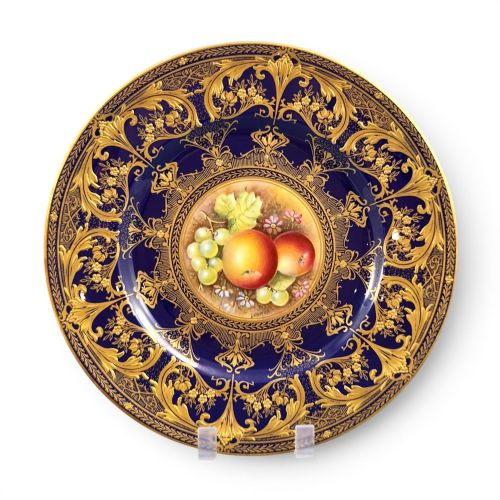
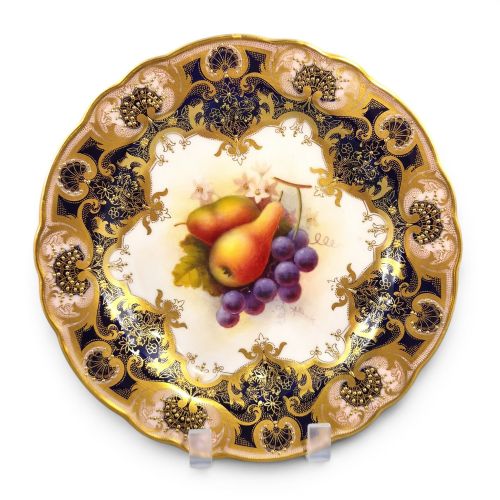
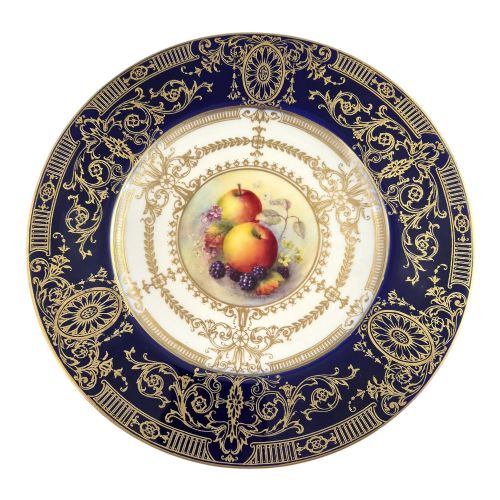
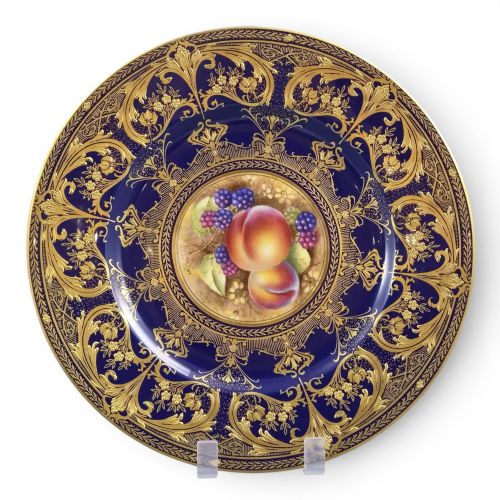
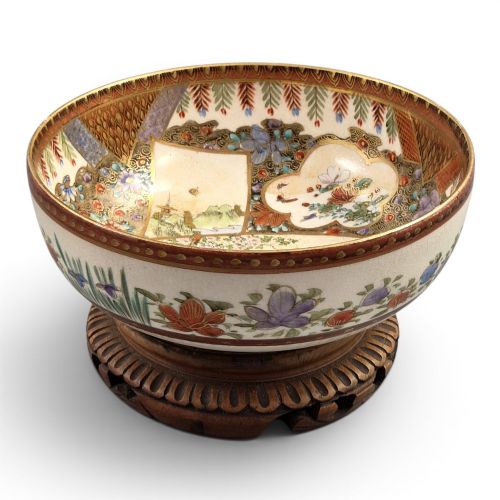
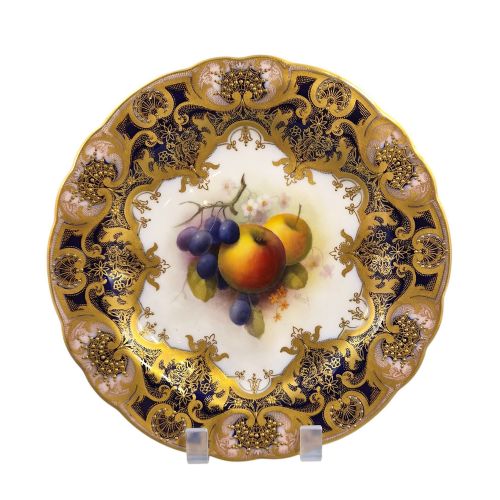
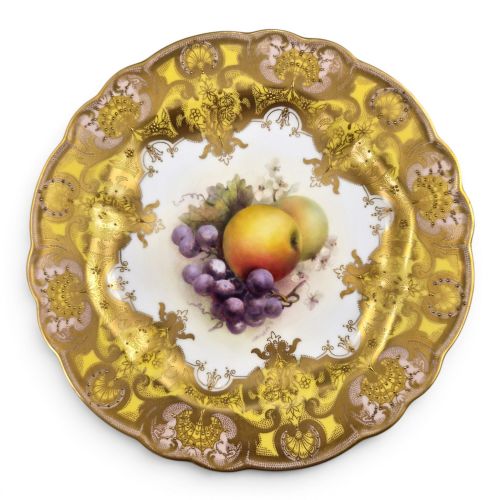
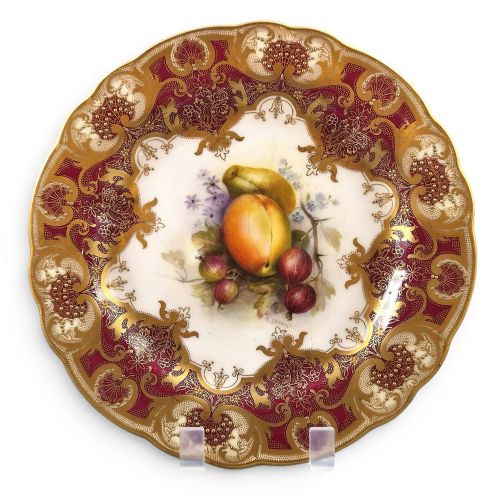
Signed fruit porcelain comprises cabinet plates, vases, ewers, and bowls decorated with naturalistic studies of fruit, often featuring the signature of the painter on the front or reverse. These pieces span periods from the 19th Century through the 1920s, 1930s, and 1960s, reflecting traditional British and Edwardian aesthetics alongside Meiji Period Japanese Satsuma ware.
Cabinet plates form the core of what is found, accompanied by decorative bowls, cream jugs, coffee pots, and spill vases. The production centres heavily on British porcelain and bone china, alongside earthenware items bearing distinct artistic signatures.
Materials and construction
The foundation rests on porcelain, bone china, and earthenware, shaped into vessels such as boat-shaped bowls, ewers, and rope-edge plates. Artisans applied enamel paints by hand to capture the rich tones of apples, grapes, peaches, and berries.
Many items incorporate gold leaf, gilding, and gilt highlights around the rims or handles. Some forms also utilise wood components as part of their overall presentation.
Signed Fruit Porcelain Retail Price Guide 2026
Typical asking prices for signed fruit porcelain among the pieces listed under this phrase on Sellingantiques today, from the lower quarter to the upper quarter. They describe what is for sale here now, not the wider market.
A tiny painted peach on a cabinet plate requires just as much kiln firing as a grand ceremonial vase.
Assessing quality and craftsmanship
Quality rests upon the skill of the brushwork and the complexity of the fruit arrangement across the porcelain surface. Finer examples display meticulous shading in the enamel and precise application of gilding or gold leaf.
The prominence and reputation of the artist whose signature appears on the piece influence the standing of the item. The crispness of the porcelain moulding, whether on a rope-edge plate or a two-handled vase, further separates standard wares from superior works.
Royal Worcester·Kozan
The Signed Fruit Porcelain Glossary
- Cabinet plate
- A decorative plate intended for display in a cabinet rather than for dining use. These often feature elaborate painted scenes.
- Ewer
- A large jug with a wide spout and handle, historically used for water but created here as an ornamental vessel.
- Gilding
- The application of gold leaf or gold powder to the surface of porcelain. It highlights rims, handles, and borders.
- Enamel
- A vitrified decorative coating applied to porcelain and fired to achieve lasting colour. It provides the vibrant hues seen in fruit studies.
- Spill vase
- A tall, narrow receptacle designed to hold tapers used for lighting fires. They frequently carry botanical or fruit motifs.
Signed Fruit Porcelain: Frequently Asked Questions
What is signed fruit porcelain?
Signed fruit porcelain consists of ceramic pieces, primarily porcelain and bone china, decorated with hand-painted fruit scenes by named artists. These items include cabinet plates, vases, and bowls created across various 19th-century and 20th-century periods.
The inclusion of an artist's signature distinguishes these works from standard factory-painted ceramics, connecting each piece directly to the individual painter's hand.
How do I identify the period?
Dating relies on factory marks stamped or painted on the underside of the porcelain, alongside stylistic clues. Edwardian and early 20th-century pieces often feature traditional British designs with heavy gilding.
Later mid-century pieces from the 1950s and 1960s continue these painting traditions while employing different backstamps and edge treatments like rope-edge detailing.
How should I display these pieces?
Cabinet plates are best housed in glass-fronted display cabinets to protect the delicate enamel work and gold leaf from dust and handling. Vases, ewers, and bowls can be placed on sturdy surfaces away from direct, harsh sunlight to preserve the painted colours.
Because many items feature intricate gilt borders and hand-painted fruit, keeping them in stable environments prevents accidental surface wear.
Are all pieces made by Royal Worcester?
While Royal Worcester accounts for the majority of British fruit-painted porcelain and bone china in these listings, other traditions exist. The selection also encompasses Meiji Period Japanese Satsuma earthenware bowls signed by individual makers.
Checking the backstamp and the style of the signature helps identify the specific origin and workshop behind each decorative object.