




Signed Ceramic Vessel
A signed ceramic vessel carries the mark of its maker, bringing distinct artistry and historical provenance into your home.
Signed Ceramic Vessel
When you search for a signed ceramic vessel, you encounter a diverse array of decorative objects including vases, bowls, and koro spanning the late nineteenth century through to the mid-twentieth century. These items showcase the individual signatures of makers from European potteries and Japanese studios alike.
Originating from periods such as the Meiji era, Edwardian years, and the Republic Period, each signed ceramic vessel reflects the distinct aesthetic priorities of its time and place of creation.
How They Were Made
Potters shaped porcelain, earthenware, and terracotta into varied forms before applying detailed hand-painted designs or glazes. Many pieces incorporate gilt, gold leaf, and enamel to accent the surface imagery.
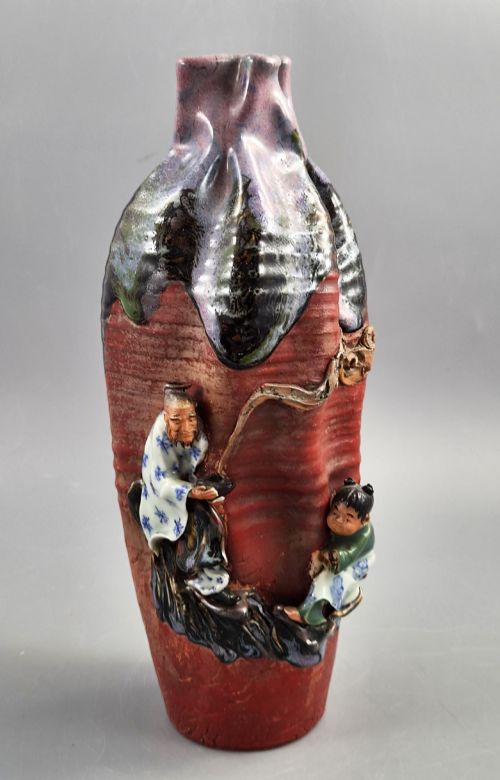
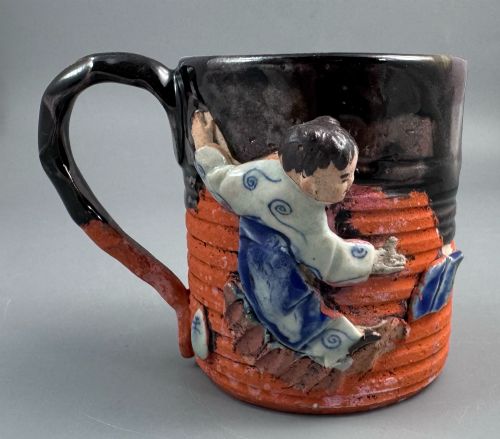
Techniques range from the flowing botanical lines seen in European hand-painted works to the textured flambé and oxblood glazes characteristic of Japanese workshops. Artisans also utilised applied clay figures and intricate tree bark effects to create depth on the vessel body.
Signed Ceramic Vessel Retail Price Guide 2026
Typical asking prices for signed ceramic vessel among the pieces listed under this phrase on Sellingantiques today, from the lower quarter to the upper quarter. They describe what is for sale here now, not the wider market.
Listings feature works created across several eras, encompassing nineteenth-century Japanese pieces, Edwardian English porcelain, and mid-twentieth-century studio items.
What Varies in Quality
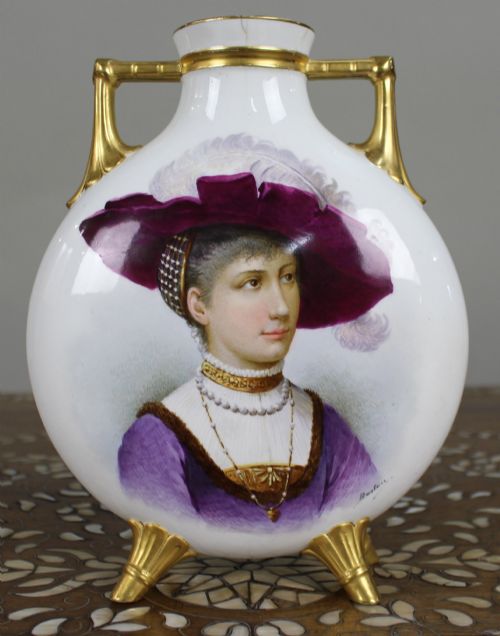
The standard of a signed ceramic vessel rests upon the precision of the hand-painted detail and the control demonstrated in the glazing process. Pieces featuring finely rendered scenes, such as landscapes or portraits by known artists, display a higher level of artistic accomplishment.
The clarity and placement of the signature further distinguish the work, alongside the complexity of the form itself. Mastery in handling difficult mediums, such as overlapping enamel or textured glazes, separates standard production items from exceptional studio pieces.
Royal Doulton·Royal Worcester·Royal Bonn
The Signed Ceramic Vessel Glossary
- Moon flask
- A flat-backed ceramic vase with a rounded body and slender neck. This form draws inspiration from traditional pilgrim flasks.
- Flambé glaze
- A streaked or mottled glaze achieved through complex kiln reactions during firing. It produces rich variations of colour across the ceramic surface.
- Koro
- A Japanese incense burner typically supported on legs and fitted with a pierced lid. These vessels often feature traditional crests or applied decorative figures.
- Totai shippo
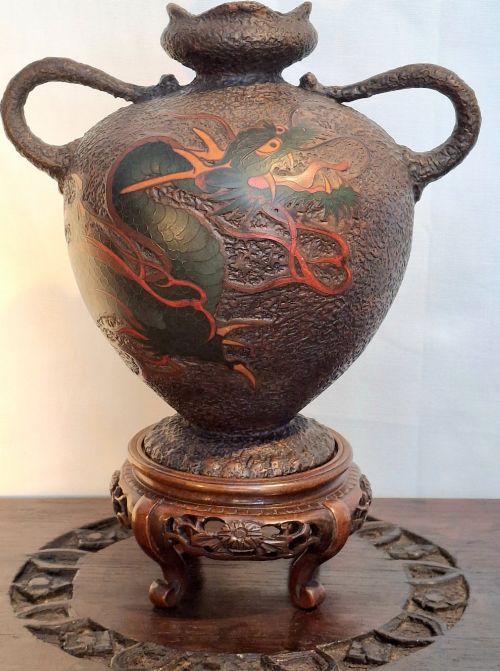
- A Japanese technique involving cloisonné enamel applied directly over a ceramic body. The wirework creates cells that are filled with coloured enamel before firing.
- Famille rose
- A palette of opaque enamel colours dominated by pink or rose hues. It gained prominence in Chinese ceramics during the eighteenth and later periods.
Signed Ceramic Vessel: Frequently Asked Questions
How do I identify a signed ceramic vessel?
Look for painted initials, monograms, or studio signatures usually positioned near the base of the piece. These marks often correspond to specific artists or kiln workshops from the period.
Comparing the signature style to documented examples helps confirm the origin and creator of the ceramic.
Where were these ceramic vessels made?
The pieces originate from various international ceramic centres, spanning European porcelain houses in England and Austria to Japanese studios in Kyoto.
Each region developed distinct decorative traditions, ranging from English landscape painting to traditional Japanese Satsuma ware.
How should I display my vessel?
Position the vessel on a stable surface away from direct sunlight to protect hand-painted enamel and gilt details from fading. Placing it where adequate lighting can catch the glaze variations enhances its visual depth.
Ensure it sits out of heavy traffic areas to prevent accidental knocks.
Can these vessels hold water?
While many pieces function technically as vases, older ceramic and earthenware bodies can be porous or sensitive to moisture over time. Using a small glass insert protects the interior from standing water.
Treating decorative pieces primarily as display objects preserves their historic painted surfaces.