





Signed Ceramic Vase
A signed ceramic vase carries the individual mark of the artist or potter who shaped and painted it.
Signed Ceramic Vase
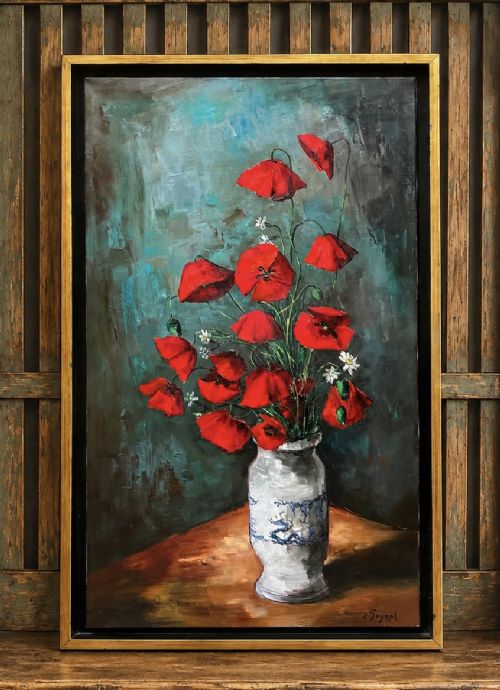
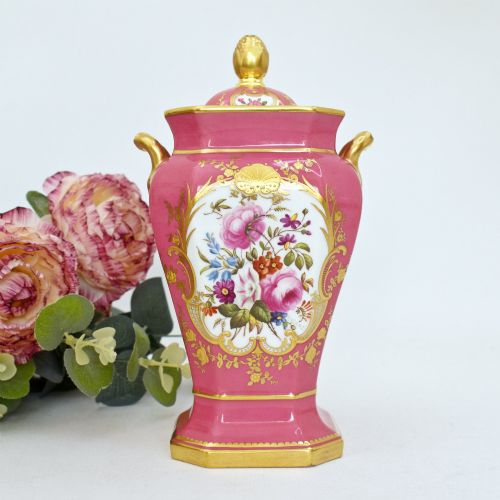
A signed ceramic vase brings together the maker's personal mark and the distinctive aesthetic of periods ranging from the nineteenth century through the mid twentieth century. Buyers seeking a signed ceramic vase encounter works from British potteries like Royal Worcester alongside Japanese Meiji period Satsuma and Sumida Gawa wares.
Makers and artists working across European and Asian traditions utilised various styles, from traditional English hand-painted landscapes and fruit to intricate Japanese Satsuma enamel and intricate glazes. Each signed ceramic vase reflects the specific hand of its decorator or studio.
Materials and methods of production
Potters shaped these vessels from porcelain, earthenware, terracotta, and stoneware before applying glazes, enamel, and gold leaf or gilding. European pieces often received hand-painted decoration over a white porcelain ground, while Japanese pieces utilised specialised techniques like lavender and oxblood flambe glazes or textured Sumida Gawa surfaces.
Firing techniques varied according to the medium, with porcelain and earthenware requiring precise kiln temperatures to fix the pigments and gilt details. Artists then signed their completed works using enamel pigments, fine brushwork, or impressed stamps into the clay body.
Signed Ceramic Vase Retail Price Guide 2026
Typical asking prices for signed ceramic vase among the pieces listed under this phrase on Sellingantiques today, from the lower quarter to the upper quarter. They describe what is for sale here now, not the wider market.
The selection includes traditional English painted landscapes alongside Japanese Satsuma and Sumida Gawa stoneware.
Factors of distinction
Quality rests in the precision of the hand-painted detail and the clarity of the artist's signature. Pieces decorated by recognised studio artists display superior brushwork, particularly in complex figural scenes, animal studies, or botanical renderings.
The sophistication of the glaze work and the crispness of the underlying ceramic form distinguish finer examples from standard production pieces. Well-preserved gilding and intact applied sculptural elements also elevate the overall standard of the vessel.
Royal Worcester·Ban-ni·Kinzan·Shuzan·Seiko-en Chokei·Yamashu·Tagawa·Gao Hengsheng·Hiroshi·William Moorcroft·Herend
The Signed Ceramic Vase Glossary
- Moon Flask
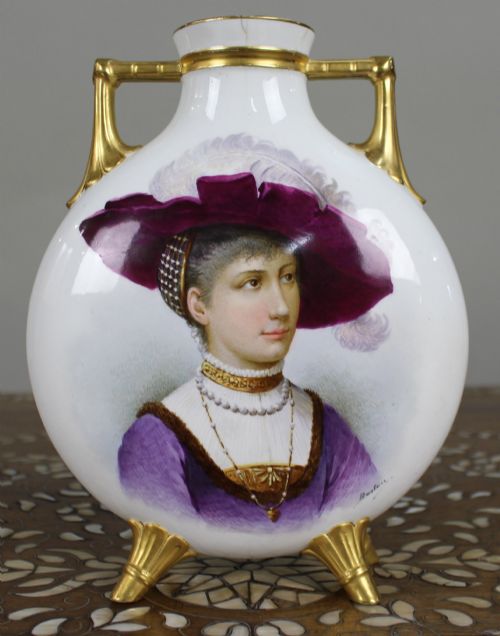
- A flat-backed pilgrim flask with a circular body, often mounted with two small handles. This form appears frequently in nineteenth-century European decorative ceramics.
- Satsuma
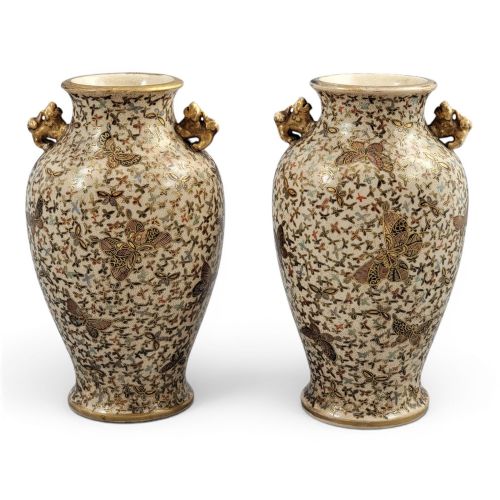
- A type of Japanese earthenware featuring a pale, ivory crackle glaze decorated with enamel and gold leaf. These wares often depict dense figural or floral scenes.
- Sumida Gawa
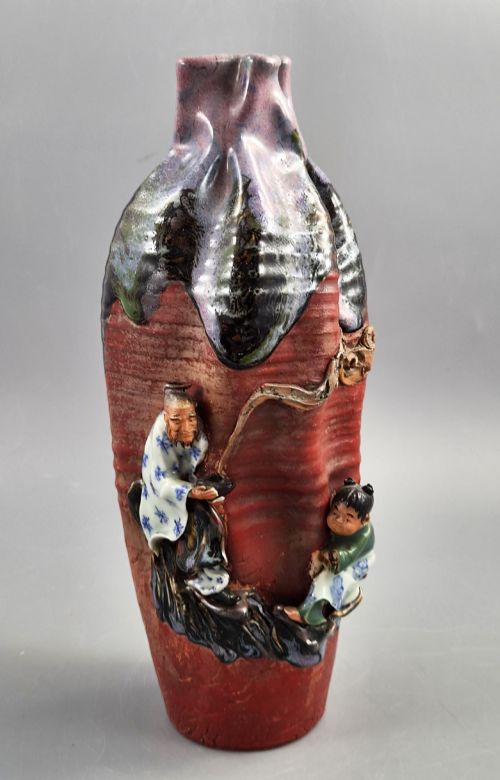
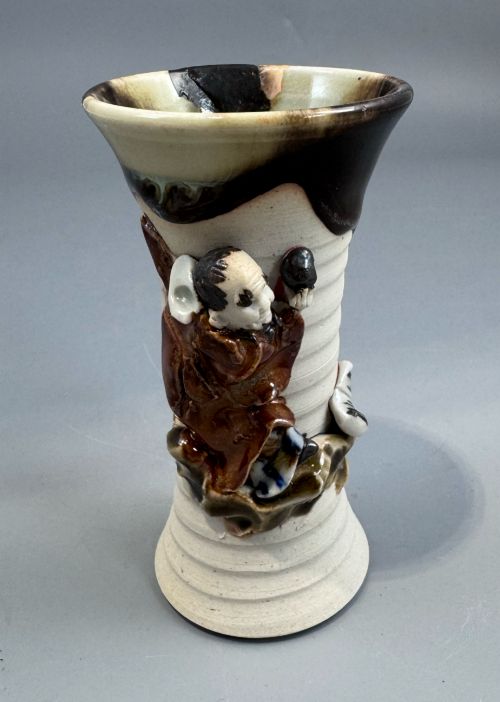
- A Japanese ceramic ware originating from Tokyo, characterised by thick, dripping flambe glazes and applied sculptural figures. Pieces often feature high-relief modeling of children or historical characters.
- Pot Pourri
- A vessel designed with a pierced lid to release the scent of dried aromatic plant materials inside. These decorative jars often feature two handles and hand-painted surfaces.
- Ewer
- A large jug with a wide spout and looped handle, historically used for pouring water but later produced for display. In ceramic collections, ewers often match specific vases in decorative pairs.
Signed Ceramic Vase: Frequently Asked Questions
How do I read an artist signature on a vase?
Artists typically signed their work on the underside of the base using enamel paint, ink, or an impressed stamp. Some pieces feature signatures incorporated directly into the painted scene on the body of the vessel.
European decorators often initialled their miniature or landscape panels, while Japanese artists placed distinct calligraphic seals or signatures near the base.
What is the difference between Satsuma and Sumida Gawa ceramics?
Satsuma ceramics are known for their pale, finely cracked ivory glaze decorated with delicate enamel patterns and gold leaf. The designs often portray historical figures, butterflies, or dense landscapes in traditional Japanese styles.
Sumida Gawa ceramics present a completely different aesthetic with thick, uneven flambe glazes and rough, textured clay bodies. These pieces frequently incorporate distinct three-dimensional figures applied directly to the exterior wall.
How should I display a hand painted porcelain vase?
Hand painted porcelain requires stable placement away from direct sunlight to protect the integrity of the enamel colours and gold leaf details. Placing the vessel on a secure surface ensures the delicate handles or slender necks remain safe from accidental knocks.
Keeping the piece in a stable indoor environment protects both the ceramic body and the delicate hand-painted artistry from temperature fluctuations.
Are miniature vases different from standard decorative vases?
Miniature vases share the exact decorative techniques and artistic signatures of their larger counterparts but require exceptional skill to paint on a smaller scale. Artists utilised the same hand-painted fruit, floral, and figural motifs on these compact vessels.
Collectors often appreciate miniatures for the fine detail achieved within a restricted surface area, matching the quality found on monumental pieces.