

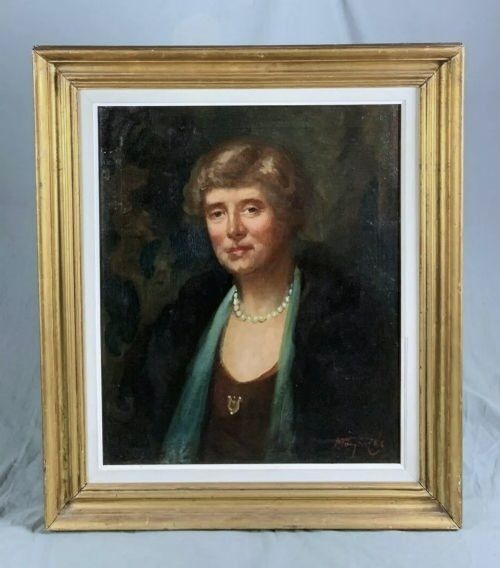


Signed British Portrait Artwork
Signed british portrait artwork brings together centuries of character studies, from grand 18th-century oils to mid-century modernist sketches.
Signed British Portrait Artwork
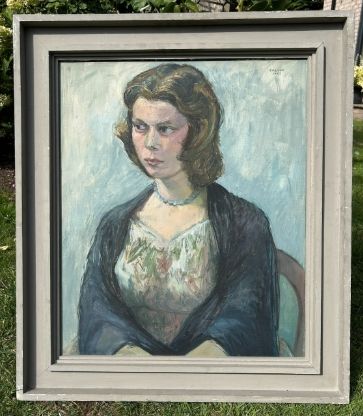
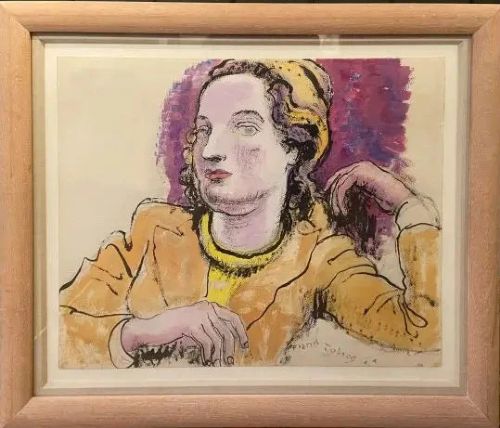
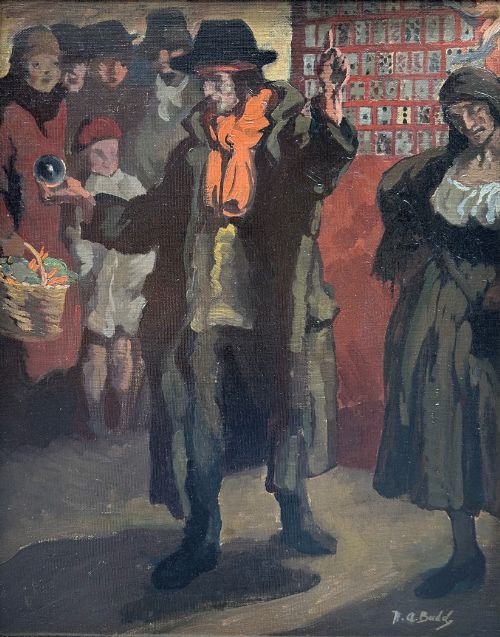
Signed british portrait artwork spans centuries of creative output, recording faces, animals, and notable figures across the British Isles. Buyers searching this phrase encounter a rich mix of oil paintings on canvas, delicate watercolours, ink studies, and pencil drawings by named artists.
The selection ranges from traditional 18th-century portraiture of nobility to modernist mid-century character studies and animal portraits. Works from the Victorian era and the 1920s to the 1960s dominate the offerings, providing varied glimpses into past lives and artistic movements.
Materials and technique
Artists historically applied oil paint onto stretched canvas or wooden board, creating durable surfaces that hold rich colour and fine detail over generations. Watercolours and inks on paper offer a more immediate, fluid method often employed for preliminary studies and intimate character sketches.
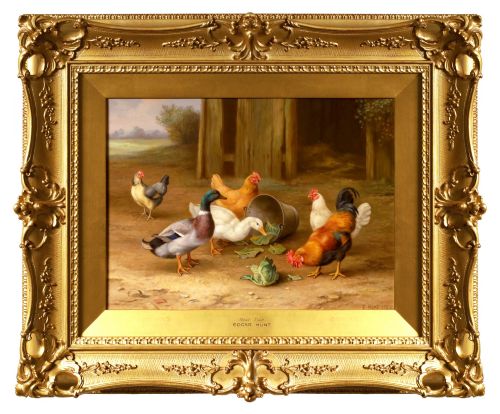
Framing frequently complements the artwork, utilising traditional wood and giltwood surrounds that protect the piece and establish its historical context. Signatures, whether scratched into wet paint, written in ink, or penciled in margins, connect the physical object directly to the hand of the maker.
Dogs make regular appearances alongside human subjects, recorded by specialists in animal portraiture who treated hounds and bulls with equal dignity.
Judging quality in portraiture
Quality rests primarily on the artist's ability to capture likeness, expression, and psychological depth within the subject. Masterful brushwork and confident line execution elevate a piece far above a mere mechanical recording of a face.
Condition of the medium and the integrity of the original support material also influence standing. Works retaining their original giltwood frames and documented provenance carry stronger historical resonance than those with undocumented histories or compromised surfaces.
Kenneth Cozens·Frank Dobson·Herbert Ashwin Budd·Edgar Hunt·Charles James McCall·John Emms·Septimus Scott·Philip Naviasky·Raoul Millais·S Dennant Moss·Andrew Young·Augustus Edwin John·Lucien Freud·Fred Yates·Molly Maurice Latham·Florence Mabel Hollams·W A Clark·George Percy Jacomb-Hood·Dame Laura Knight·Muriel Metcalfe·Bernard Meninsky·Kershaw Schofield·William Lee Hankey·Adrian Bury·Juliet Pannett
The Signed British Portrait Artwork Glossary
- Provenance
- The documented history of ownership of an art piece. This paper trail helps confirm authenticity and previous exhibitions.
- Giltwood
- Wood carved and coated with gold leaf or a gold-coloured metallic finish. It forms the traditional ornate framing for many historic paintings.
- Medium
- The material used by the artist to create the work, such as oil paint, watercolour, ink, or pencil. Understanding the medium explains the conservation needs of the piece.
- Canvas
- Heavy woven fabric stretched across a wooden frame to serve as a foundation for oil paint. It provides a distinct textural quality to the finished artwork.
Signed British Portrait Artwork: Frequently Asked Questions
How do I display these portraits?
Hang paintings on sturdy interior walls away from direct sunlight and excessive moisture to protect the canvas and paper. Ensure the weight of heavy giltwood frames is supported by appropriate wall fixings.
Pairing different eras together creates a striking salon-style wall display. Let the character of the subject guide the room choice, placing formal works in reception spaces and intimate sketches in studies.
How are signatures usually authenticated?
Examine the signature in relation to the paint layer, ensuring it sits naturally within the creation period rather than appearing as a later addition. Comparing the handwriting against known examples from the artist helps confirm origin.
Exhibition labels, gallery stamps, and written provenance on the reverse of the frame offer further clues. Expert opinion remains the most reliable method for establishing firm attribution.
What care do older canvases require?
Keep the environment stable by avoiding rapid shifts in temperature and humidity that cause wood frames to warp and canvas to slacken. Dust surfaces gently with a soft, dry brush without applying pressure.
Avoid using liquid cleaners or chemical solvents on painted surfaces. Professional conservators should handle any structural repairs or deep cleaning.
Can I identify the sitters?
Researching inscriptions on the reverse, exhibition catalogues, or accompanying family archives often reveals the identity of the person portrayed. Some portraits depict known historical figures, royalty, or artists' assistants.
Anonymous sitters remain common, painted simply as studies of character or genre figures. Focus on the artistic merit and mood of the piece if the subject's name is lost to time.