





Signed British Artwork
Signed British antique artwork brings together hand-painted watercolours, oils and etchings bearing the personal mark of artists working across the nineteenth and early twentieth centuries.
Signed British Artwork
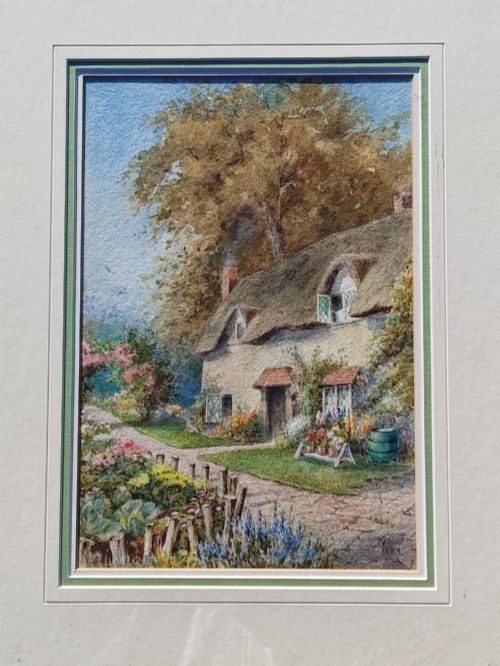
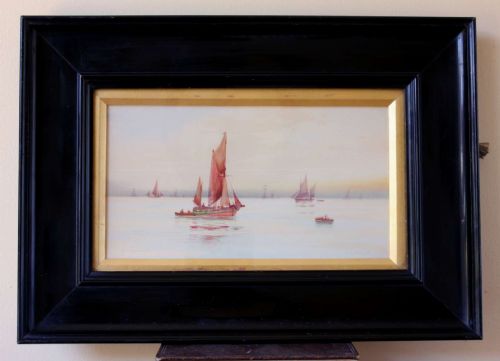
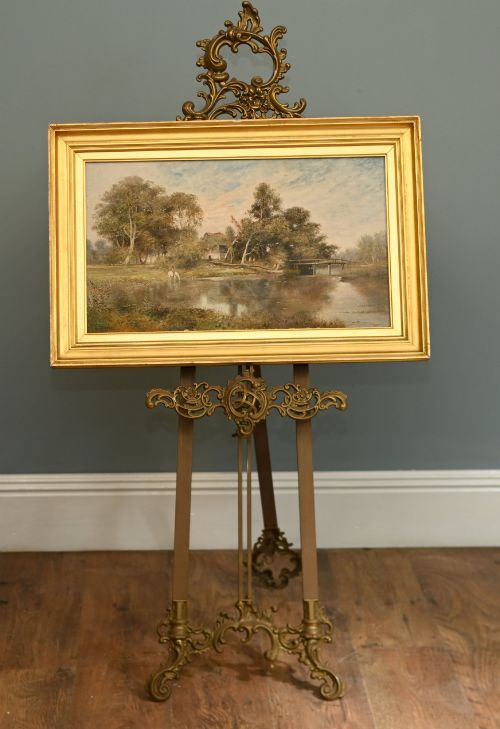
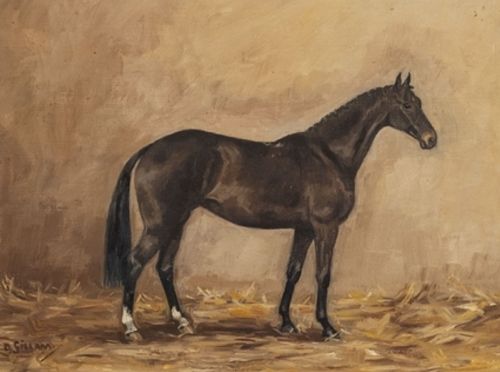
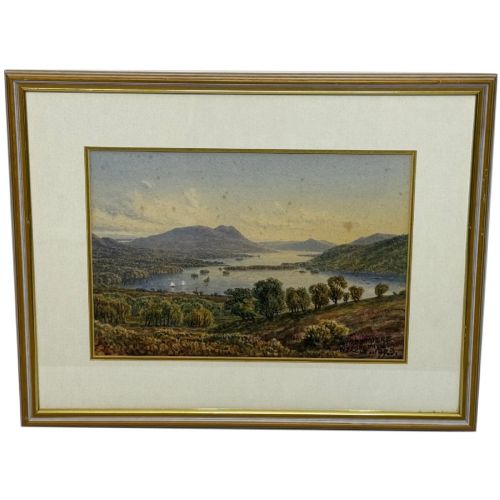
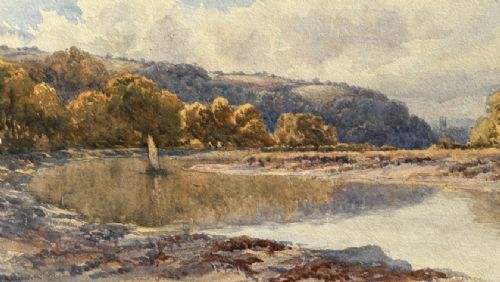
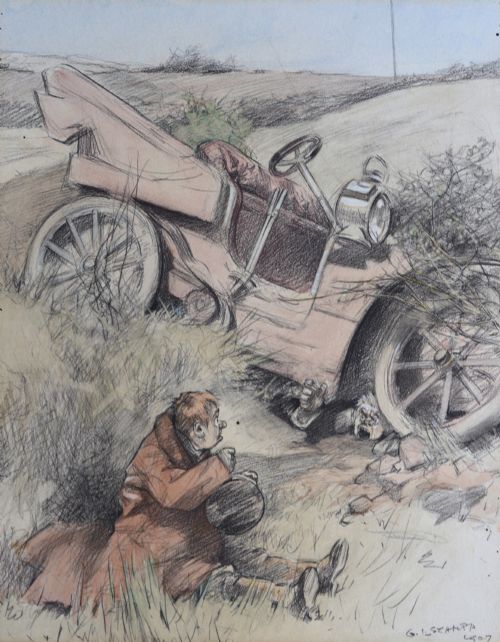
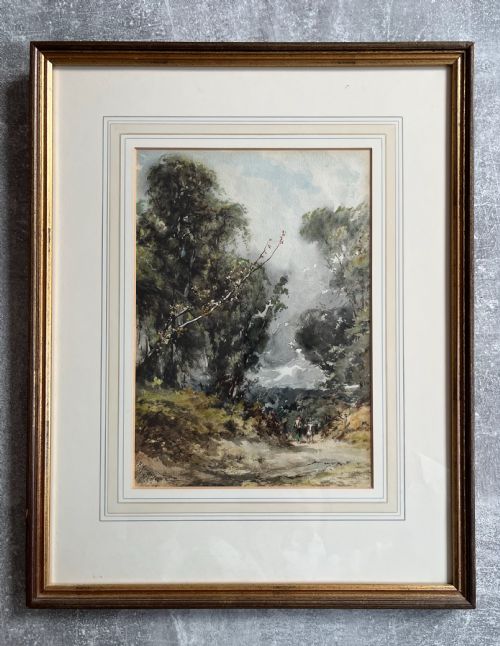
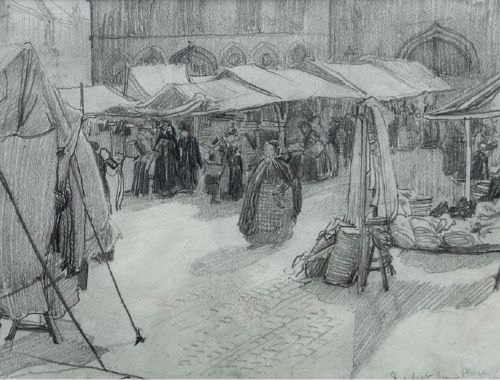
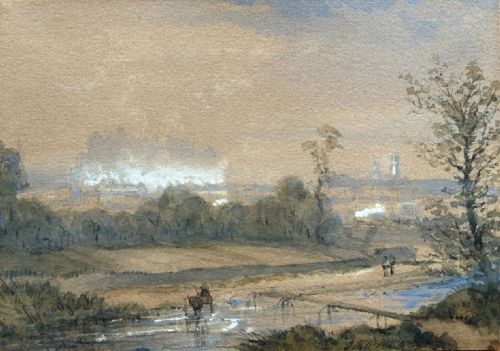
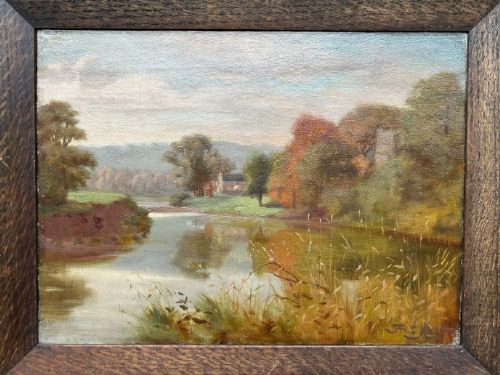
Signed British antique artwork encompasses framed watercolours, oil paintings on canvas or wood panel, pencil drawings and etchings created primarily during the nineteenth and early twentieth centuries. When searching for signed British antique artwork, collectors encounter landscape scenes, coastal views, domestic interiors and portraits bearing the autographic signature or monogram of the hand that painted them. The pieces span Victorian, Edwardian and early modern movements, reflecting regional British views from Scottish highlands to Cornish harbours.
The most common versions met on this page are watercolours and oil paintings dating from the late nineteenth century through to the interwar decades. These works frequently arrive in period giltwood frames that complement the medium, preserving the original paper, canvas or panel supports. Subjects range from pastoral cattle grazing in woodlands to bustling coastal dockyards and quiet country house interiors.
How they were made
The physical foundation of these pieces relies on traditional supports such as prepared canvas, wooden panels, heavy paper and etching plates. Artists applied oil paints, watercolours, pencils or printing inks by hand, utilising layered brushwork, impasto texture or delicate washes to build depth and light.
Many works incorporate original giltwood frames paired with glass where appropriate to protect vulnerable paper surfaces like watercolours and etchings from atmospheric moisture and handling.
Among the landscapes and seascapes, sharp-eyed buyers will spot a Scottish highland sheep sharing canvas space with bustling coastal dockyards and jungle fowl.
What varies in quality
Quality in these pieces is dictated by the surety of the artist's hand, the harmony of the composition and the preservation of the medium itself. Works that capture light and atmosphere with confident brushwork or precise watercolour washes stand apart from stiffer, more formulaic compositions.
The integrity of the original support surface, whether canvas, panel or paper, alongside the retention of period framing, influences the overall character and historical completeness of the piece.
George Lorain Stampa·George Fotherly Hargitt·James Orrock·Henry Percy Huggill·John R Prentice·William H Myers·Tom Campbell·William Howard Hardy·Frederick Marriott·Arthur Wardle·Sir William Nicholson·Alfred Fontville de Breanski Jr·William Banks Fortescue·Stephen Samuel Lewin·John Rose Miles·Thomas W Lascelles·William Joseph Boyes·Bernard Benedict Hemy·Herbert Ashwin Budd·Eric Brown·Trajan Hughes·Edgar Hunt·Alfred G Morgan·Herbert Dicksee·Russell Sidney Reeves
The Signed British Artwork Glossary
- Watercolour
- A painting method where fine pigment is suspended in a water-based, transparent solution and applied to paper supports. It requires a swift and decisive hand as alterations are difficult to conceal.
- Impasto
- A technique where paint is laid onto a canvas or panel in thick layers that stand visibly above the surface. This method captures light dynamically and gives tactile weight to elements like waves or foliage.
- Giltwood
- Timber carved and coated with a thin layer of gold leaf or metallic gilt gesso. It forms the decorative traditional framing found surrounding many nineteenth-century paintings.
- Etching
- A printmaking process where lines are bitten into a metal plate with acid before being inked and pressed onto paper. Signed artist proofs represent prime impressions pulled directly under the maker's supervision.
- Provenance
- The documented history of ownership surrounding a piece of art. Clear provenance helps verify the authenticity of signatures and links works to specific exhibitions or collections.
Signed British Artwork: Frequently Asked Questions
How do I identify the artist's signature?
Artists typically signed their work discreetly in the lower corners using ink, paint or pencil, occasionally accompanying the name with a date. Comparing the handwriting style against known examples from the same period helps confirm authorship.
Signatures should appear naturally integrated into the lower layers of the paint or ink rather than sitting on top of later restoration work or framing borders.
Where should I hang antique watercolours?
Watercolours require careful placement away from direct, strong sunlight to prevent the pigments and paper from fading over time. Hanging them in rooms with stable temperature and humidity levels protects both the paper support and the historical frame.
Using conservation-grade glass during framing further shields the delicate washes from ultraviolet light and airborne pollutants.
What is the difference between oil and watercolour?
Oil paintings utilise slow-drying pigments suspended in oil, applied to rigid panels or stretched canvas that allow for rich impasto texture and deep tonal layering. Watercolours use transparent water-based pigments on paper, creating luminous, lighter compositions that rely on the white of the paper to shine through.
Oils generally require a sturdy wooden or gilt frame without glass protection, whereas watercolours must be mounted under glass to prevent moisture damage.
How do I care for antique canvas paintings?
Canvas paintings benefit from gentle dusting with a soft, dry brush to remove particulate matter without disturbing the paint surface. Avoid using liquid cleaners, damp cloths or chemical solvents on either the canvas or the historic frame.
Maintaining a consistent indoor climate prevents the canvas from slackening and stops wooden stretchers or panels from warping.