






Signed Botanical Artwork
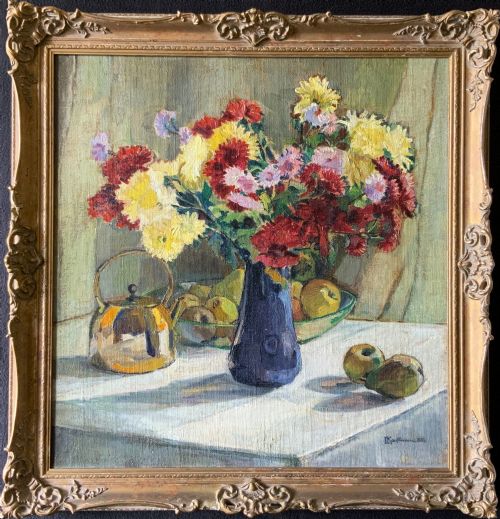
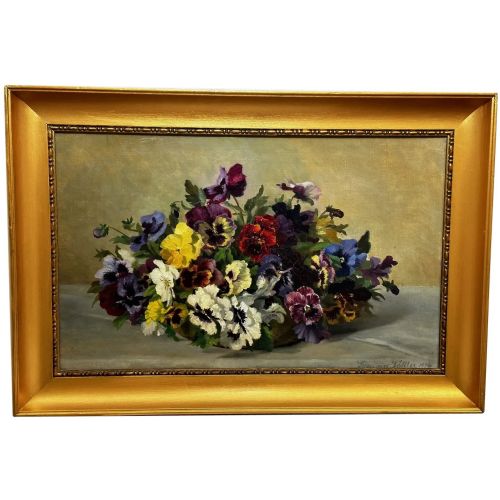
Signed botanical artwork captures natural flora through hand-painted detail, offering collectors authentic floral studies across diverse historic periods.
Signed Botanical Artwork
Signed botanical artwork comprises original paintings and studies focusing on flowers, gardens, and plant life carrying an artist mark or signature. Buyers searching for signed botanical artwork encounter works spanning from the Victorian era through the mid-twentieth century.
The selection on this page centres heavily on watercolours and oil paintings on canvas, paper, board, and metal. Forms range from intimate miniature still-life studies to large framed canvas paintings.
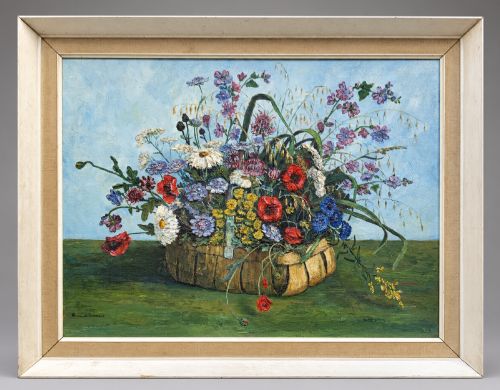
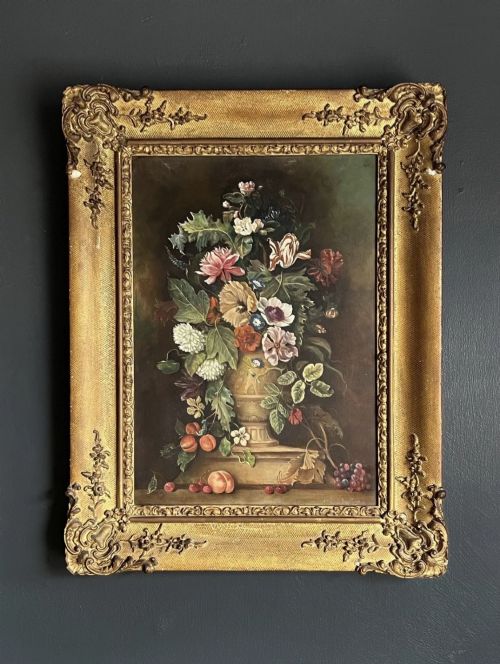
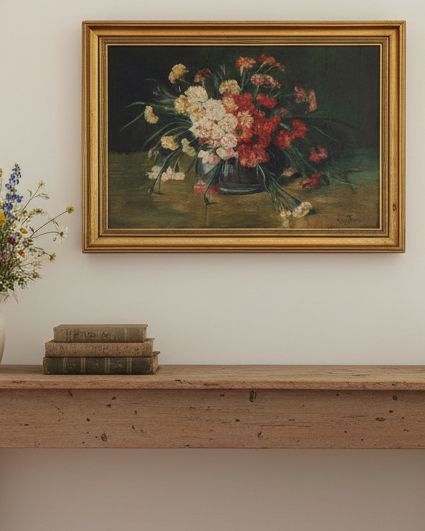
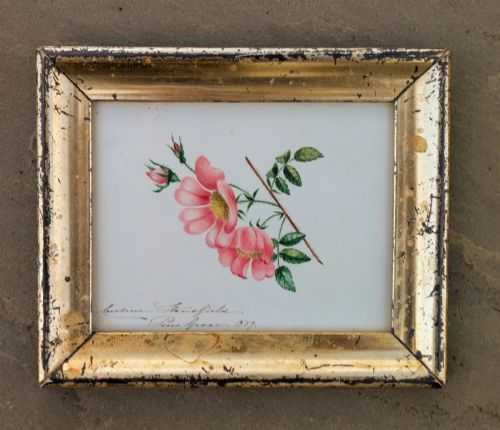
Victorian and Edwardian watercolours sit alongside Art Deco and mid-century British or continental oil paintings. Floral subjects dominate, depicting garden scenes, wild roses, carnations, and arrangements in vases or jugs.
Materials and Technique
Artists deployed watercolours on paper and oil paint on canvas, board, or metal, often finishing works with protective glass and decorative wood or gilt gesso frames.
Techniques combine precise botanical observation with impressionistic brushwork, capturing the texture of petals and foliage through layered pigments and fluid washes.
Signed Botanical Artwork Retail Price Guide 2026
Typical asking prices for signed botanical artwork among the pieces listed under this phrase on Sellingantiques today, from the lower quarter to the upper quarter. They describe what is for sale here now, not the wider market.
Floral still lifes often preserve forgotten Victorian window-sills and wild garden corners forever fresh in paint.
Quality and Execution
Quality rests in the precision of the botanical rendering, the handling of light and colour, and the harmony of the composition within its period frame.
Skilled handwork distinguishes master studies from standard decorative pieces, visible in the naturalistic rendering of plant anatomy and the preservation of the painted surface.
Mark Ingram·Owen Bowen·Winifred Turner·Harry Wanless·Lester Sutcliffe·J.Milton·Sir Matthew Smith·Robin MacKertich·Phyllis I Hibbert·Grace Hastie·Margaret Laing·L. Wilford·Jennifer Toombs·Harold Edward Conway·Edith Alice Andrews·Emma Loffler·M.K Rhodes·Lilian Stannard·Minnie Smythe
The Signed Botanical Artwork Glossary
- Watercolour
- A painting method where fine pigment is suspended in a water-soluble binder, creating translucent washes on paper.
- Gilt Gesso
- A plaster-like material applied to wood frames and coated in gold leaf or metallic paint.
- Still Life
- An artwork depicting mostly inanimate subject matter, typically commonplace objects or natural items such as flowers.
- Impressionism
- A style of painting emphasising immediate visual impressions through distinct brush strokes and unblended colour.
- Board
- A rigid flat substrate used as an alternative to canvas for oil paintings.
Signed Botanical Artwork: Frequently Asked Questions
What periods do these paintings come from?
The pieces span from the mid-nineteenth century through the mid-twentieth century, including Victorian, Edwardian, Art Deco, and mid-century movements.
Dating relies on stylistic evidence, artist signatures, and framing techniques typical of those decades.
How should I hang framed botanical paintings?
Select wall space away from direct sunlight to protect watercolours and oil pigments from fading over time.
Ensure stable indoor humidity levels to preserve both the antique frames and the canvas or paper supports.
Are all pieces supplied with frames?
Many listings include period wooden, gilt, or gesso frames that complement the era of the artwork.
Check individual item details to confirm whether the artwork retains its original period framing.
What is the difference between watercolours and oils here?
Watercolours utilise translucent washes on paper, offering delicate detail often protected beneath glass.
Oil paintings use heavier pigments on canvas, board, or metal, presenting textured brushwork and bolder colour palettes.