



Signed Bird Artwork
Signed bird artwork captures avian life across centuries through watercolour, oil and paper, offering collectors direct touch with master naturalists and modern observers alike.
Signed Bird Artwork
Signed bird artwork comprises framed paintings and watercolours depicting avian subjects, produced by named artists ranging from the Victorian era to later than nineteen sixty. These pieces manifest primarily as framed wall art, bringing detailed natural history and expressive brushwork into domestic interiors.
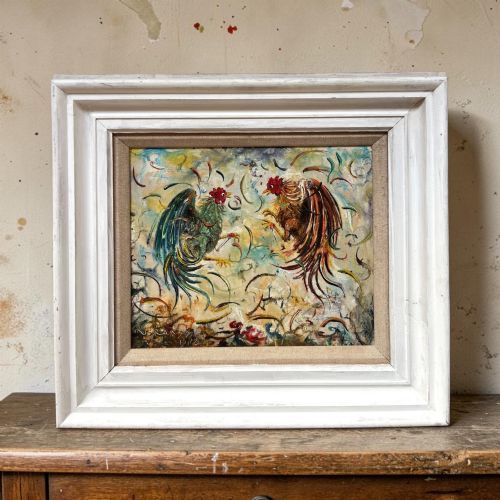
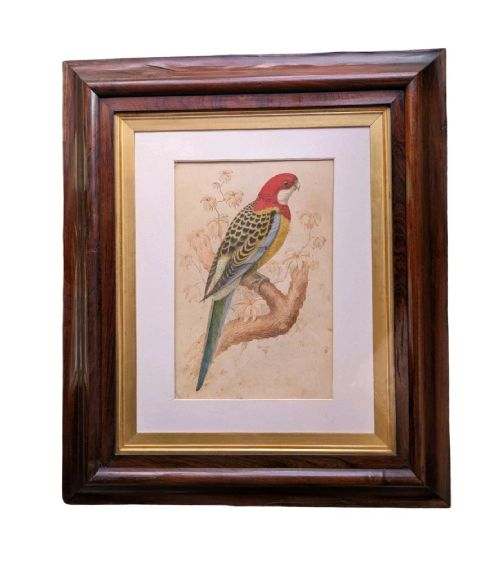
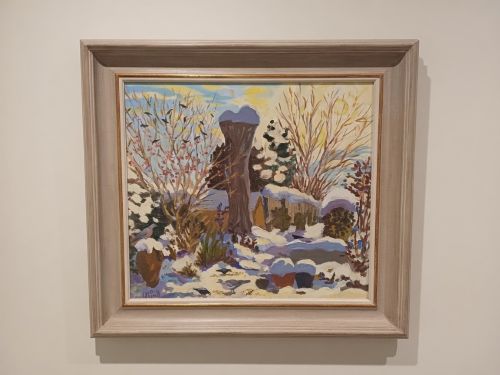
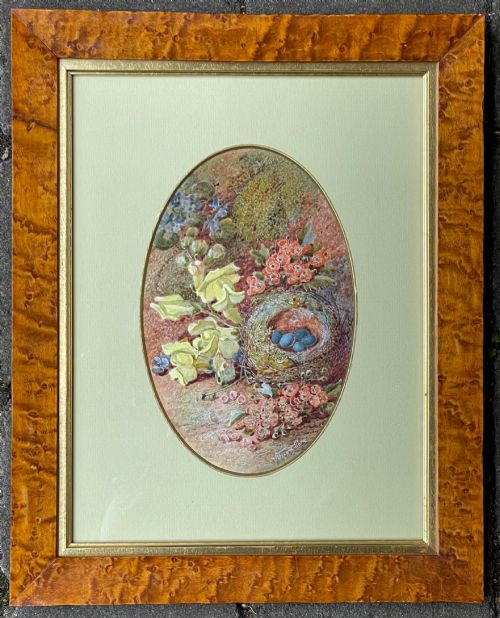
The selection on this page centres heavily on Victorian naturalism and mid-century British realism. Buyers frequently encounter detailed watercolours of parrots, falcons and nest studies alongside oil paintings on canvas and burr maple panels.
Origins span British studios and international hands, including Chinese painting traditions featuring wild birds and plum blossom. Every piece bears a signature, stamp or attributed hand that anchors the work to a specific creator.
How they were made
Makers utilised traditional watercolours on paper and rich oil paint on canvas to capture feather texture and anatomical detail. Support materials also include wood panels such as burr maple, providing a firm foundation for fine brushwork.
Gold leafing occasionally appears to enhance framing and highlights, while protective glass preserves delicate paper works from atmospheric degradation. Framing itself forms an integral part of the physical object, often utilising timber to house the artwork securely.
Signed Bird Artwork Retail Price Guide 2026
Typical asking prices for signed bird artwork among the pieces listed under this phrase on Sellingantiques today, from the lower quarter to the upper quarter. They describe what is for sale here now, not the wider market.
Birds inspect nests, perch on plum blossoms and brave snowy winter feeds across these painted studies.
What varies in quality
Quality rests in the precision of anatomical observation and the fluency of the artist's brushwork. The finest pieces demonstrate a deep understanding of avian form, capturing posture and plumage with convincing vitality rather than rigid illustration.
The integrity of the medium and the preservation of the paper or canvas dictate the longevity of the piece. Superior examples retain their original colour saturation without excessive fading or destabilisation of the oil or watercolour pigments.
Harry Bright·Vincent Clare·Lucy Pratt·R Hurst·Dame Elisabeth Frink·William Stephen Coleman·Robin Hill·Michael Jackson·Donald Watson
The Signed Bird Artwork Glossary
- Watercolour Painting
- A work executed with water-soluble pigments on paper. This medium allows for translucent washes that suit delicate feather details.
- Oil on Canvas
- A painting technique using pigments bound in a drying oil applied to stretched fabric. It provides rich texture and deep colour saturation.
- Victorian Naturalism
- An artistic movement focused on accurate depiction of the natural world. It gained prominence during the nineteenth century alongside scientific study.
- Burr Maple
- A highly figured wood veneer often used for decorative framing. Its swirling grain patterns complement traditional paintings.
Signed Bird Artwork: Frequently Asked Questions
How do I date a signed bird watercolour?
Dating relies on visible inscriptions, artist active dates, and stylistic conventions associated with periods like the Victorian era or mid-century British art. Paper types and framing methods also offer clues to the decade of creation.
Examining the signature alongside recorded exhibition histories helps narrow the timeframe. Comparing the work to dated pieces by the same hand provides further certainty.
What is Victorian natural history art?
This genre reflects a nineteenth-century fascination with catalogouring and observing wildlife with scientific precision. Artists strove for exact anatomical accuracy in their depictions of birds and nests.
Such works often served as both scientific records and decorative pieces for domestic display. They reflect the era's enthusiasm for ornithology and field study.
How should I hang framed bird artwork?
Hang these pieces away from direct sunlight to prevent delicate watercolour pigments and paper from fading over time. Stable indoor humidity protects both the canvas and the wooden frames.
Ensure the wall fixings match the weight of the framed piece, especially heavier oil paintings on canvas. Proper placement at eye level enhances the visual impact of the subject.
What distinguishes oil paintings from watercolours?
Oil paintings utilise pigment suspended in drying oil on canvas or wood, offering thick texture and deep colour layering. Watercolours employ translucent pigments on paper, creating lighter and more luminous effects.
Oils are generally more robust and traditionally housed without glass, whereas watercolours require glass protection. Each medium changes how the artist renders feather details and background atmospheres.