

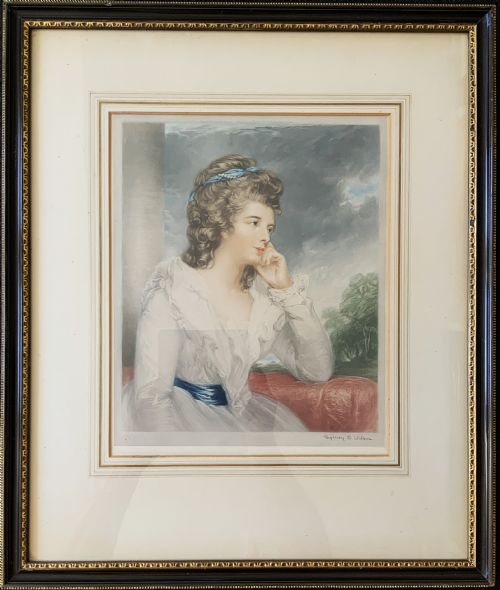


Signed Artist Print
A signed artist print offers collectors an autographed graphic work, combining a verified hand with the distinct character of early twentieth-century and mid-century printmaking.
Signed Artist Print
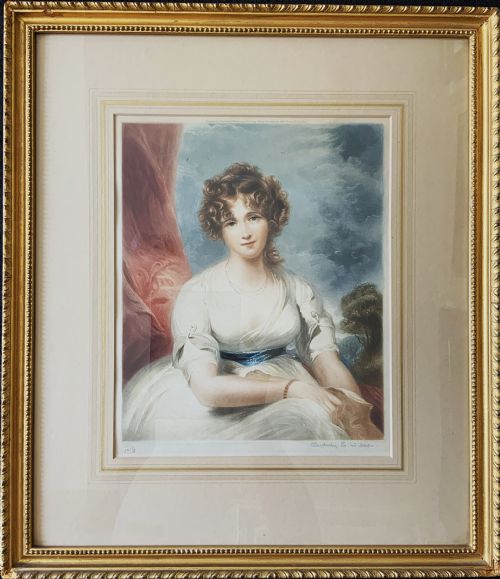
A signed artist print represents a dedicated run of graphic works bearing the signature of the creator. Buyers searching for a signed artist print encounter framed etchings, engravings, lithographs, and limited edition plates originating from periods spanning the late Victorian era through the mid-century modern movement.
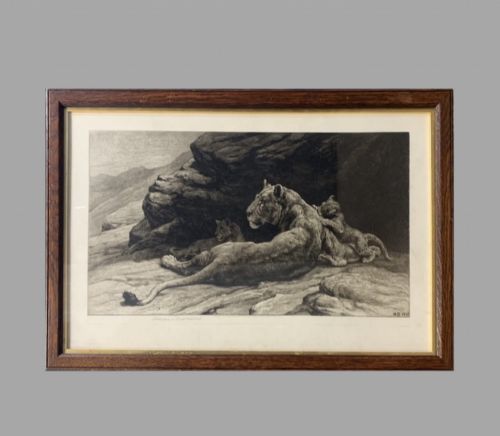
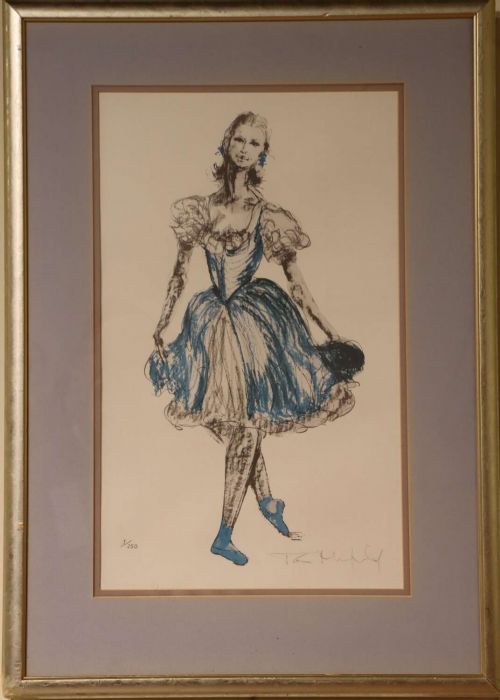
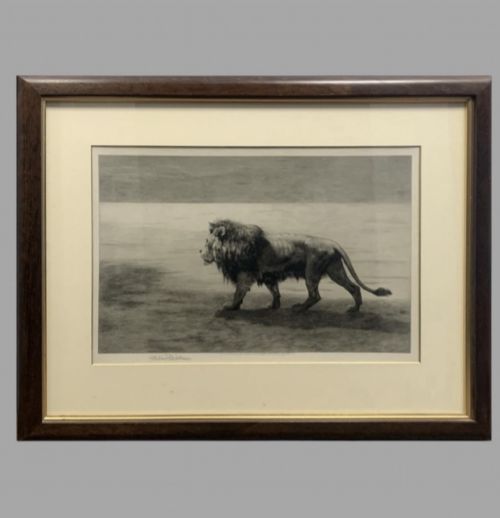
The material formats on this page range from traditional paper and vellum sheets to specialised plates framed in wood, gilt wood, and oak. Subjects vary from wildlife studies and animal portraits to figurative ballet scenes and wartime records.
The dominant forms are limited edition proofs and etchings produced by notable printmakers working across the twentieth century. These works capture the precise line quality and tonal depth characteristic of traditional intaglio and planographic methods.
How they were made
Makers produced these works using traditional printmaking techniques applied to paper, vellum, and occasionally canvas or wood panels. Etchings and engravings required metal plates worked by hand with ink, while lithographs utilised stone or metal matrices to transfer ink onto the sheet.
Framing materials included oak and gilt wood, often complemented by protective layers of glass. Gold leaf accents sometimes appear on frames or within the surface detailing of specific prints.
Signed Artist Print Retail Price Guide 2026
Typical asking prices for signed artist print among the pieces listed under this phrase on Sellingantiques today, from the lower quarter to the upper quarter. They describe what is for sale here now, not the wider market.
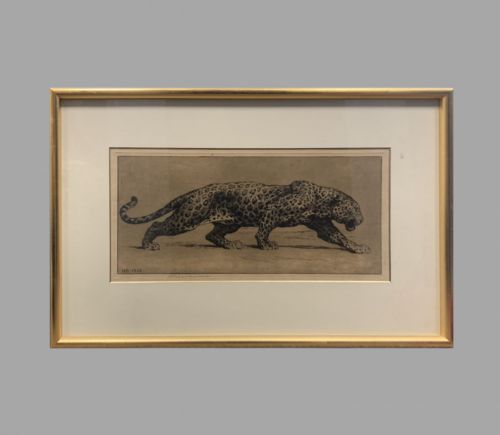
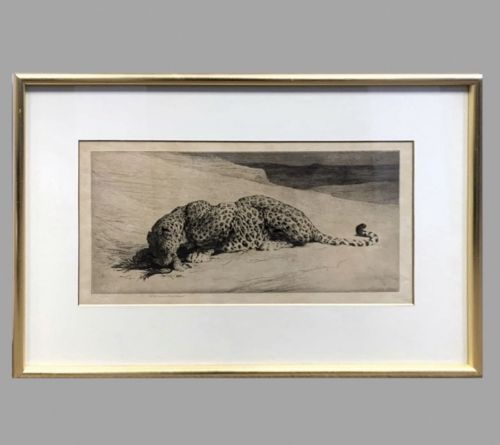
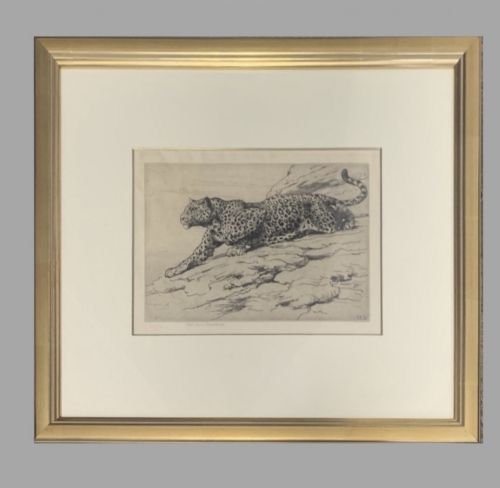
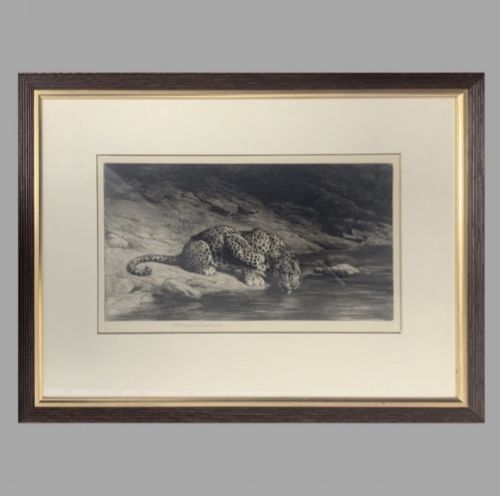
Several artists preferred documenting leopards and Pekingese dogs over more conventional portrait subjects.
What varies in quality
Quality rests in the clarity of the inked impression and the preservation of the paper or vellum support. Fine impressions exhibit sharp plate marks, rich tonal gradations, and clean margins without heavy fading or excessive foxing.
The execution of the signature and the quality of the framing materials also define the grade of the piece. Works retaining their original gilt wood or oak frames alongside a clear artist signature command greater visual presence.
Herbert Dicksee·John Meredith·Sydney Wilson·Florence Mabel Hollams·Sir Muirhead Bone·Deidre Borlase
The Signed Artist Print Glossary
- Etching
- A printmaking technique where an artist uses acid to cut into the unprotected parts of a metal plate to hold the ink. This method allows for fine, flowing lines and deep tonal variations.
- Vellum
- A fine parchment made from calfskin, used as a durable and smooth support for fine art prints. It provides a warm tone and distinct texture compared to standard paper.
- Lithograph
- A planographic printmaking process based on the chemical repulsion of oil and water. An image is drawn on limestone or a metal plate and transferred to paper.
- Mezzotint
- A monochrome printmaking process of the intaglio family, where the surface is roughened uniformly to produce rich dark tones and subtle gradations of light.
- Artist Proof
- An impression of a print taken in the printmaking process to check the state of the plate. These proofs are retained by the artist and often carry distinct signatures and annotations.
Signed Artist Print: Frequently Asked Questions
What is a signed artist print?
A signed artist print is an original graphic work bearing the personal signature of the printmaker or artist. These pieces indicate that the creator inspected and approved the impression.
The works encompass etchings, engravings, and lithographs produced in limited editions across the twentieth century. They preserve the direct hand of the maker on media ranging from paper to vellum.
How should I frame these prints?
Framing requires archival materials that protect the paper or vellum from light damage and moisture. Many period pieces are housed in original oak or gilt wood frames under glass.
Maintaining the original framing materials helps preserve the historic integrity of the object. Ensure that any conservation work uses acid-free backing to protect the sheet.
How do I identify the period?
Dating relies on stylistic markers, the specific printing technique used, and any documented dates associated with the maker. Edwardian and Victorian works often feature detailed realism, while mid-century pieces reflect modernist sensibilities.
Signatures, plate marks, and paper types also offer clues to the era of production. Comparative examination of known works helps narrow the date range.
What subjects are common?
Common subjects include wildlife studies, domestic animal portraits, figurative ballet scenes, and historical or wartime records. Artists often specialised in particular themes, such as large cats or rural landscapes.
The subject matter frequently reflects the dominant artistic schools of the period, ranging from early twentieth-century realism to mid-century modern British art.