
Signed Art Portrait
When you search for signed art portrait, you encounter individual works bearing the personal mark of their maker across multiple periods.
Signed Art Portrait
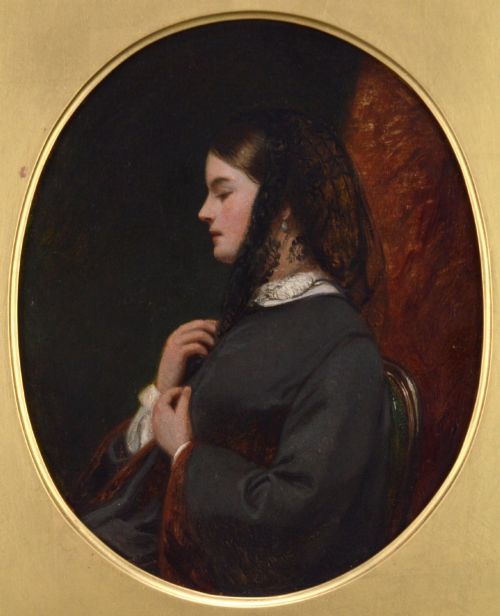
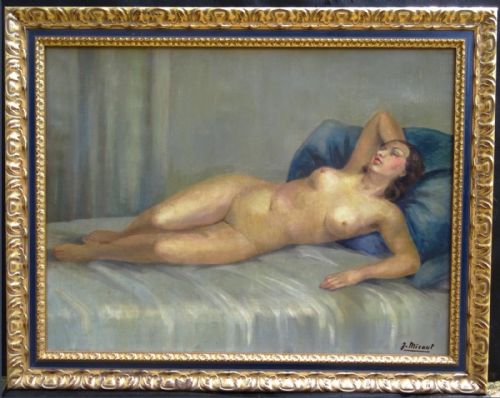
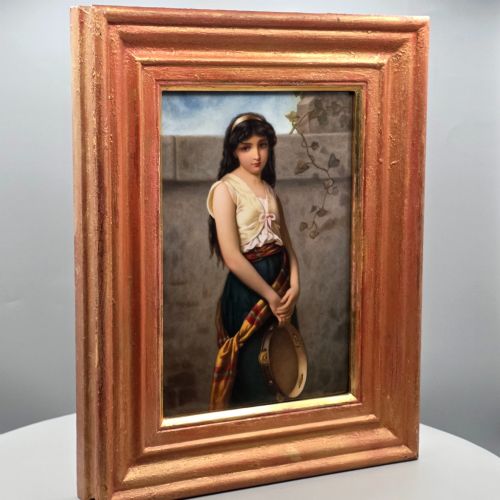
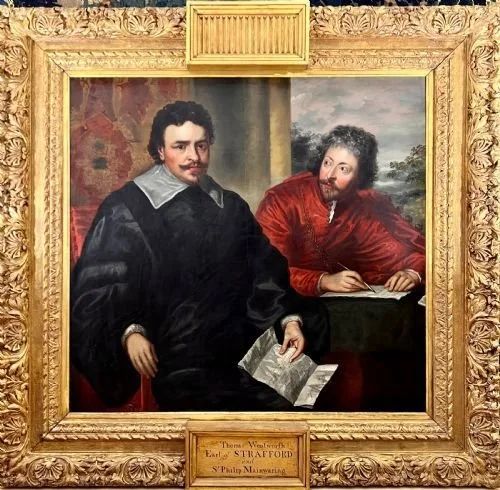
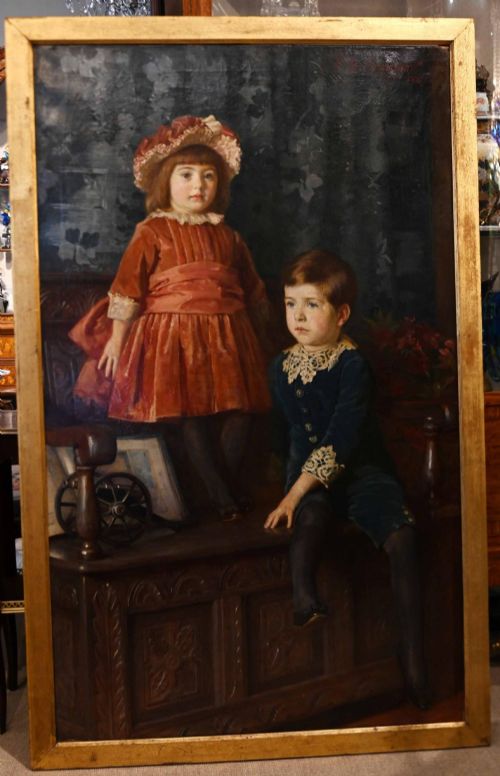
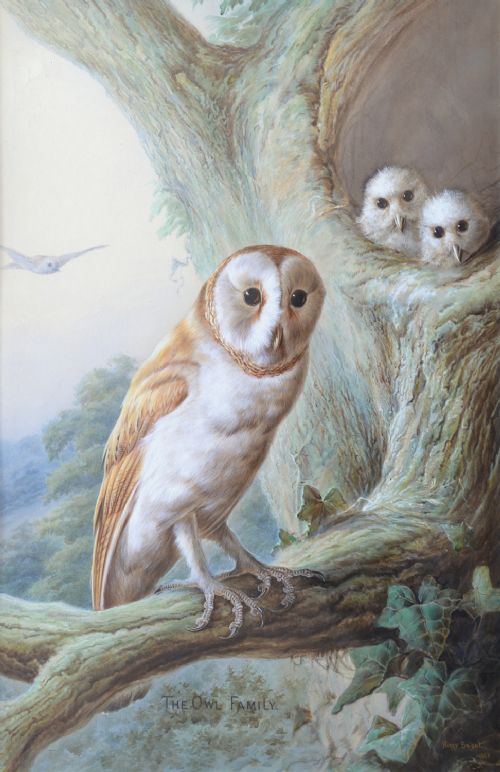
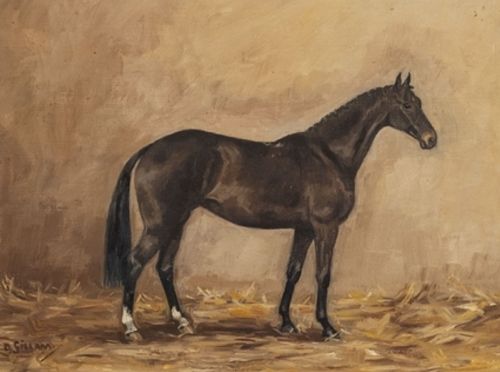
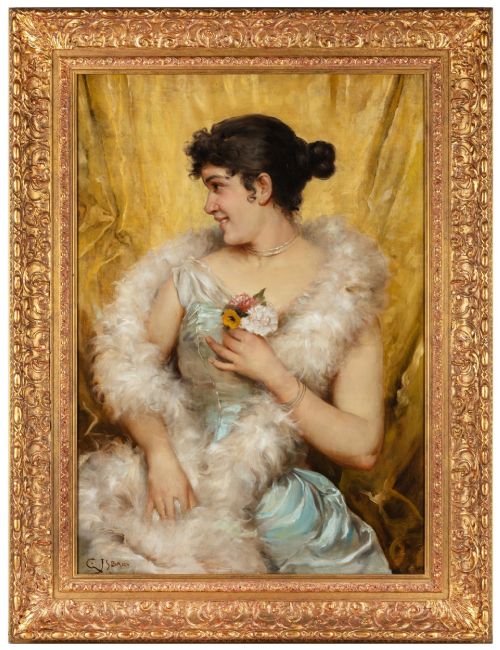
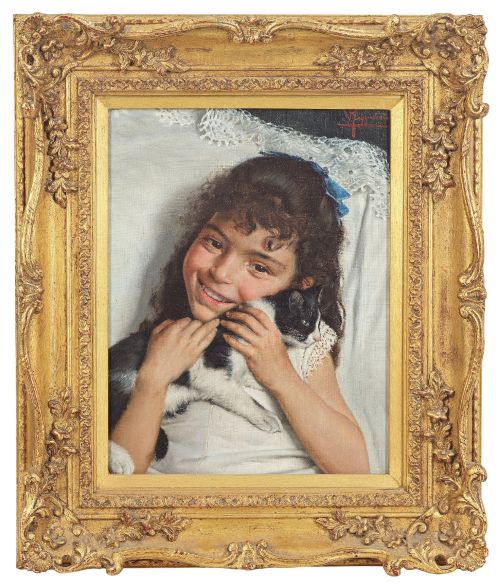
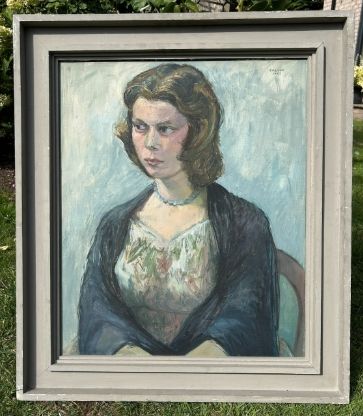
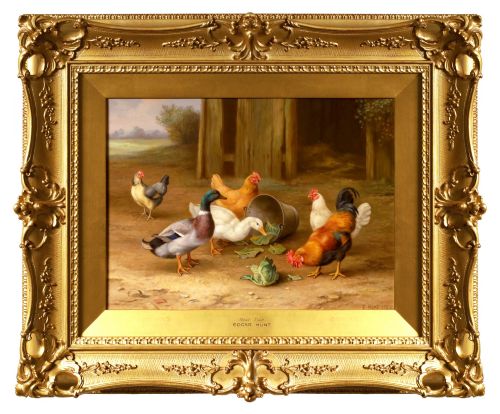
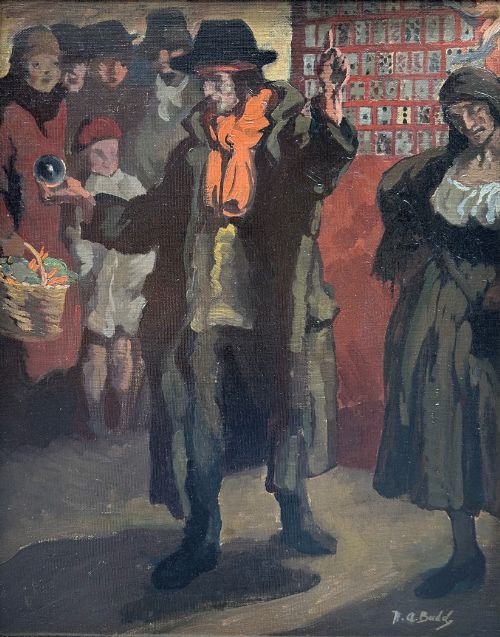
A signed art portrait encompasses framed works on canvas, paper and panel, alongside sculpted busts and plaques bearing maker signatures. These items span periods from the 17th century through the mid 20th century, capturing human subjects, animal subjects and allegorical figures.
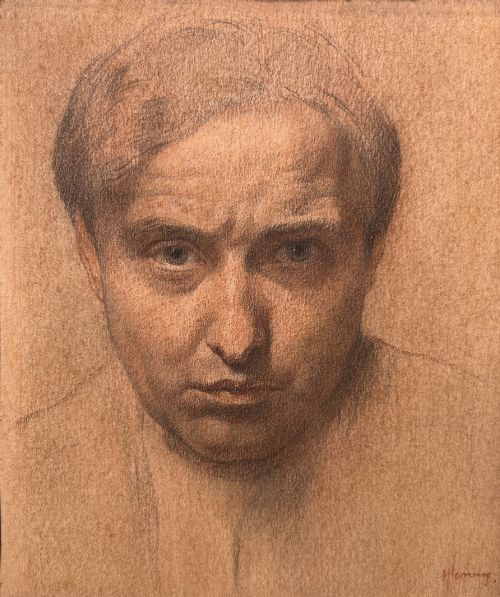
The selections on this page concentrate heavily on painted oils, watercolours, charcoals and sculptural bronze or porcelain pieces. Works emerge from diverse stylistic movements including Victorian, Art Nouveau, Art Deco and Post-Impressionism.
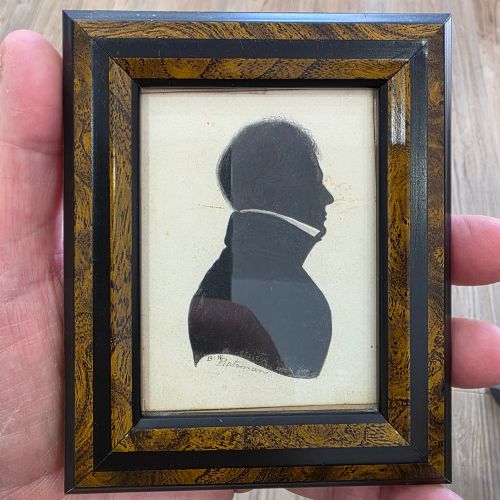
Collectors encounter everything from intimate portrait miniatures behind glass to large canvas oils depicting named sitters and anonymous subjects alike. Each piece relies on the verified signature or monogram of the creator to anchor its identity.
Materials and methods of creation
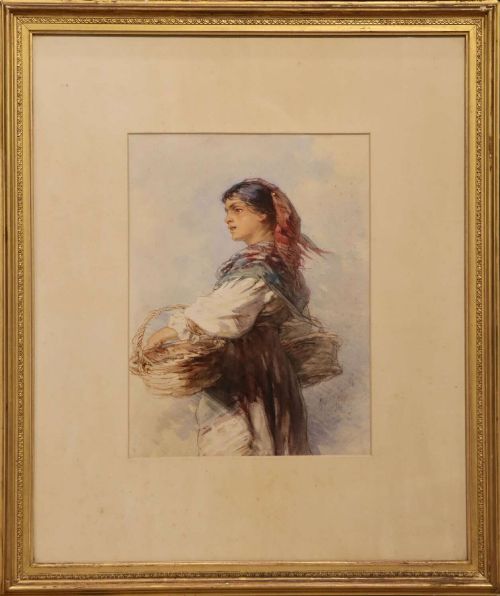
Makers utilised traditional painterly mediums including oil paint applied to stretched canvas or wood panels, alongside delicate watercolours and gouache on paper. Sculptural portraits deploy materials such as bronze, alabaster, marble and KPM porcelain.
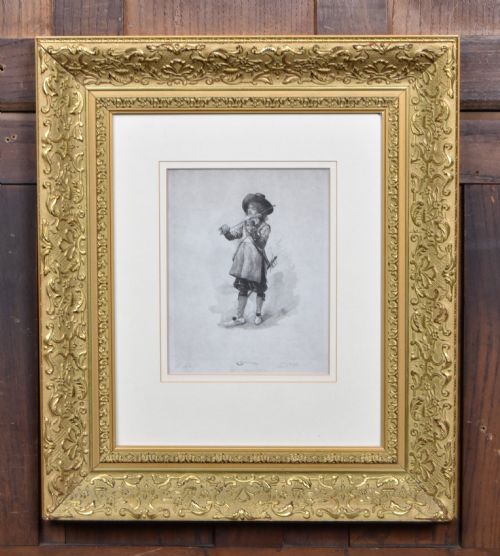
Support structures frequently involve giltwood frames, glass protection for miniatures, and detailed engraving techniques for artist proof mezzotints. Draughtsmanship relies on charcoal and pencil on paper to secure initial likenesses before colour application.
Listings feature works spanning the 17th, 18th, 19th and 20th centuries, rendered in oil, watercolour, bronze and charcoal.
Distinctions in quality
Superior quality in a signed art portrait resides in the precision of the hand and the clarity of the inscription. Stronger examples display confident handling of light, shadow and anatomical structure whether executed in oil, bronze or watercolour.
The prominence and legibility of the signature contribute directly to the standing of the piece. Masterful works integrate the signature naturally into the composition while maintaining psychological depth in the depiction of the subject.
Trajan Hughes·FS Beaumont·Harry Bright·G J S Bary·Guido Bach·Bateman·Kenneth Cozens·Vittorio Reggianini·P Ruiz·Eugene Canneel·Frank Dobson·Herbert Ashwin Budd·Herbert Johnson Harvey·Edgar Hunt·J A Grant·Charles James McCall·Henry Wissen Senior·Auguste Henri Carli·Sydney Wilson·E Villanis·Dumont·John Emms·Nicolaes Maes·LM Webb·Henri Vincent Anglade
The Signed Art Portrait Glossary
- Artist proof
- An impression of a print taken before the final edition is produced, typically retained by the creator. These items often feature pencil signatures alongside the image.
- Mezzotint
- A printmaking process of the intaglio family where the plate is roughened to achieve rich tonal gradations. Artists work from dark to light to generate soft portraits.
- Giltwood
- Wood that has been treated with gold leaf or gold paint, frequently used for decorative frames surrounding antique canvases.
- Miniature
- A small-scale portrait painting executed on ivory, vellum or card, often protected behind convex glass within a locket or framed setting.
- Plaque
- A flat, ornamental slab of porcelain or metal carrying a painted or low-relief sculptural portrait.
Signed Art Portrait: Frequently Asked Questions
How do I display antique portraits?
Hang painted canvases and framed watercolours on sturdy hooks away from direct sunlight to protect pigments from fading. Ensure bronze and alabaster sculptures sit on stable surfaces where their weight is supported safely.
Keep pieces clear of intense heat sources and fluctuating humidity. This preserves both the structural integrity of the frames and the stability of the underlying materials.
Where were portrait miniatures kept?
Miniatures on paper, glass or ivory were historically worn on the person as jewellery or kept in protective travel cases. Their small scale allowed owners to carry likenesses of family members during journeys.
Today these portable artworks function well within cabinet displays or mounted in small groupings on walls. Their intricate details reward close inspection.
What subjects appear in these portraits?
Works depict a broad cross-section of society including named nobility, artists, children, peasant figures and anonymous sitters. Animal subjects such as horses and dogs also feature prominently.
Allegorical figures and theatrical muses complement the realistic depictions of historical individuals. This variety reflects changing social tastes across the centuries.
How do I date a framed portrait?
Examine the style of clothing, hair and framing materials alongside any written dates or inscriptions on the reverse. Victorian pieces often use heavy ornamentation while earlier works follow Georgian or 18th-century conventions.
Signatures combined with recorded artist life dates provide a reliable window of creation. Comparing the medium, such as charcoal versus oil, helps narrow the chronological bracket.