

Signed Art Painting
Signed art painting selections bring individual maker touches to historical walls through period oils, watercolours, and ceramic plaques.
Signed Art Painting
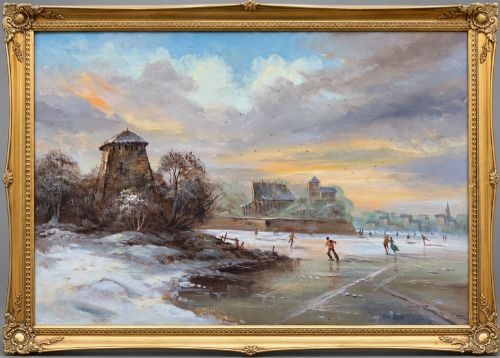
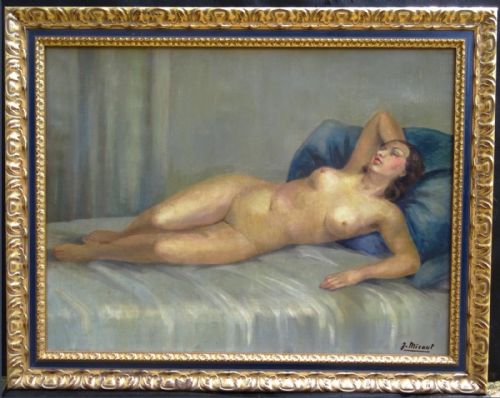
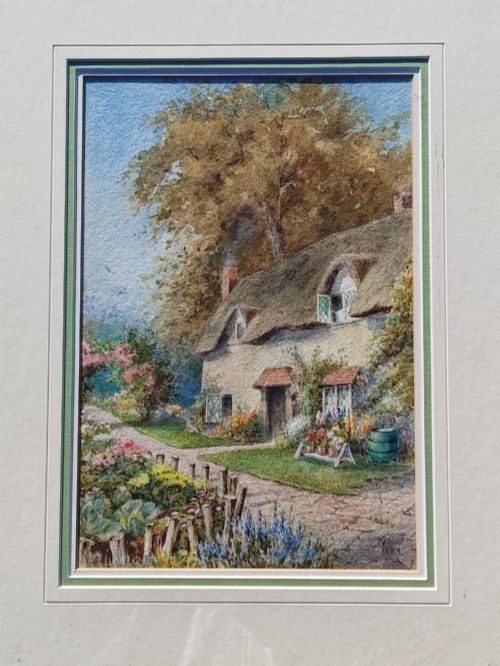
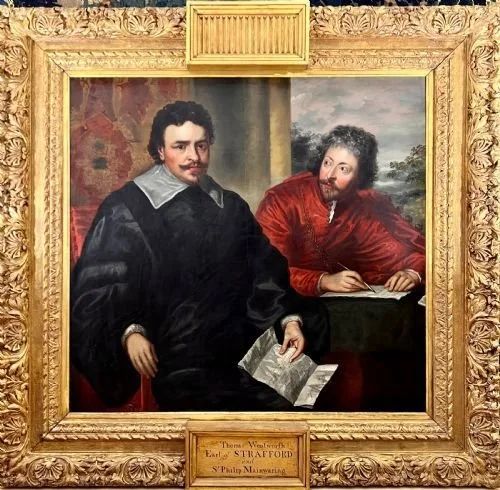
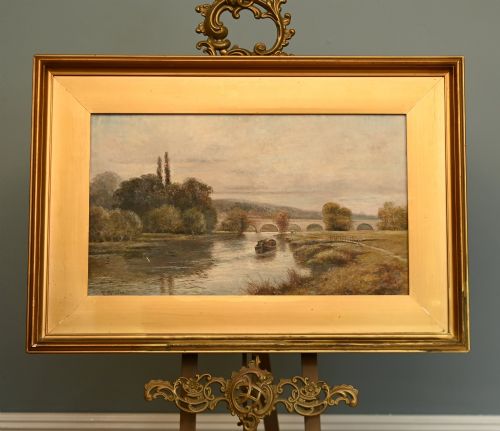
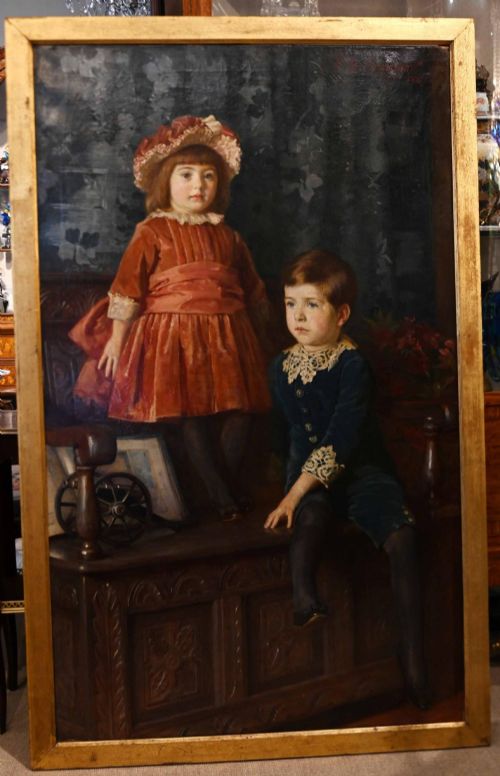
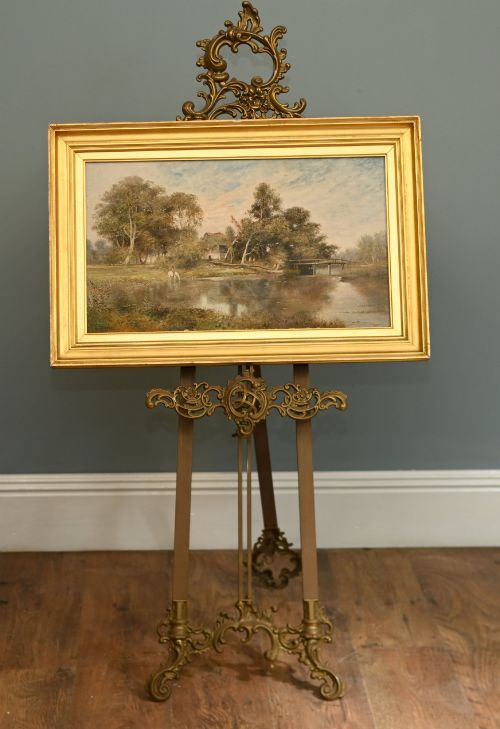
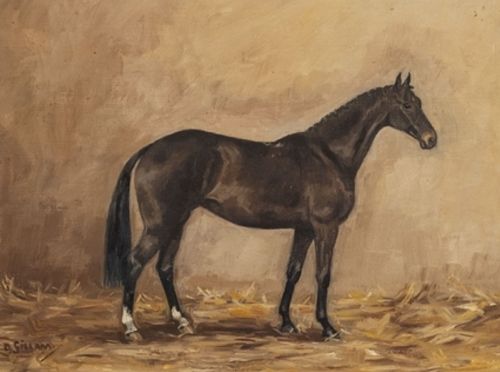
A signed art painting represents a finished historical work bearing the identifiable mark, monogram, or signature of its creator upon the surface or frame. Buyers seeking these works will encounter framed watercolours, oils on canvas, and wood panel pieces spanning from the eighteenth century through to the mid-twentieth century. The selection ranges widely across British and continental landscapes, maritime scenes, portraits, and still-lifes.
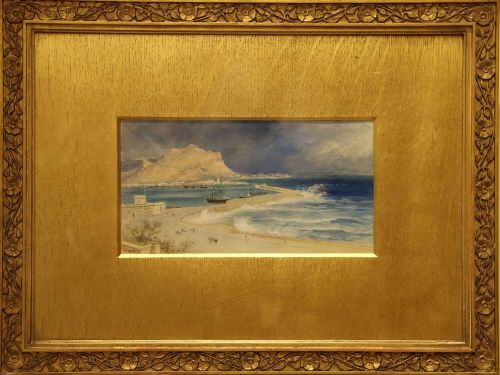
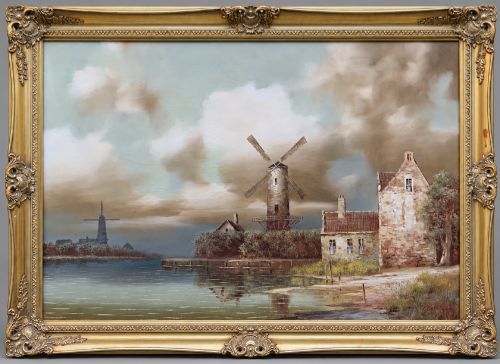
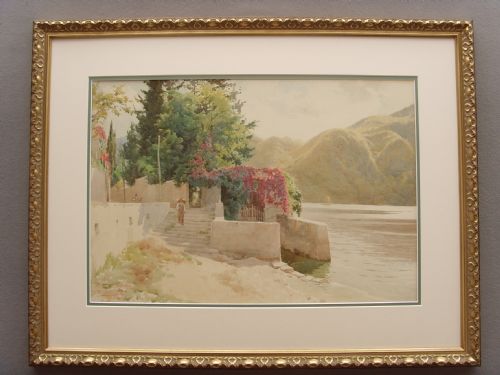
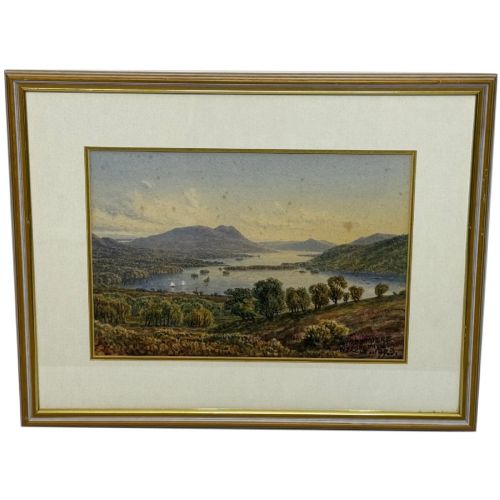
Most examples originate from the nineteenth and early twentieth centuries, reflecting Victorian, Edwardian, and Art Deco aesthetic movements. These pieces often depict recognizable geographic locales, such as Scottish highlands, Italian lakes, and pastoral riversides, captured by professional artists and Royal Academy exhibitors. The inclusion of a signature connects the current owner directly to the individual hand that applied the pigment.
Materials and Techniques
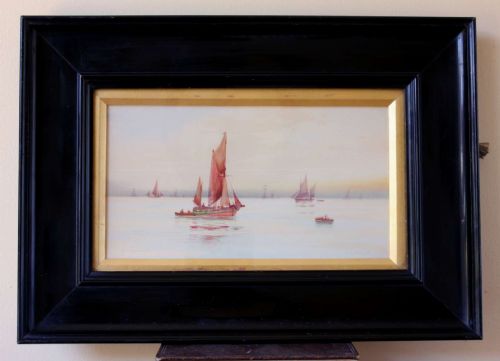
Makers utilised traditional mediums including oil paint applied to canvas, wood panels, or board, alongside watercolours worked on heavy paper. Oil paintings often demonstrate layered application and visible brushwork, particularly in impressionist and plein air coastal scenes. Watercolour works rely on transparent washes and fine line detail to capture atmospheric light in harbour and landscape views.
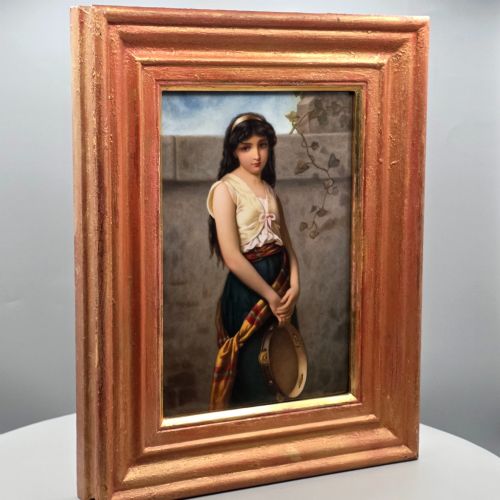
Support structures typically involve stretched canvas secured within gilt or wood frames, sometimes protected beneath glass in the case of works on paper. Ceramic plaques, such as painted porcelain items, offer an alternative rigid surface fired with pigment. Each technique dictates how the signature is integrated, appearing either in wet paint, ink, or pencil near the composition margin.
Listings span multiple eras from the eighteenth through to the mid-twentieth century, utilising canvas, paper, wood, and glass.
Factors Determining Quality
Quality rests primarily upon the skill of the draftsmanship, the handling of light and perspective, and the preservation of the original pigment. Superior works demonstrate confident brush control and depth within the subject, whether rendering a complex portrait or a broad pastoral landscape. The clarity and provenance of the signature also influence the standing of the piece.
The integration of the composition with its period frame contributes significantly to the overall integrity of the object. Pieces that retain their original mounting and show minimal pigment degradation or restoration stand distinct from lesser examples. The balance between the subject matter and the physical execution marks the difference between standard decorative items and accomplished fine art.
Trajan Hughes·Harry Bright·William Taylor Longmire·David Law·George Lorain Stampa·Arthur Wardle
The Signed Art Painting Glossary
- Plein air
- Painting executed outdoors directly in front of the subject to capture natural light and transient atmospheric conditions. This method is frequently associated with late nineteenth and early twentieth-century coastal and landscape works.
- Monogram
- A motif made by overlapping or combining two or more letters to form a single symbol representing the artist. These are often found tucked into the corner of period watercolours and oils.
- Provenance
- The chronological history of the ownership of a piece, establishing its authenticity and origin. Documented attribution helps verify the maker behind a signature.
- Gilt
- A thin layer of gold or gold-like material applied to frame surfaces to ornament the border. Period frames often feature detailed moulded gesso beneath the metallic leaf.
- Still-life
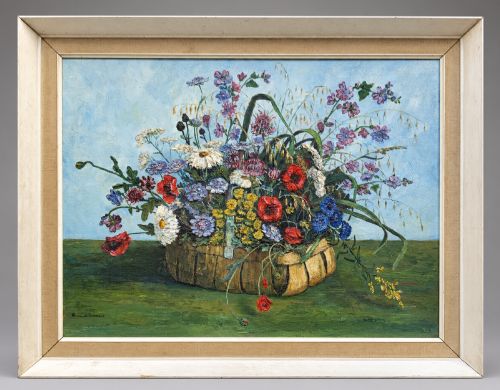
- A painting featuring inanimate subject matter, typically commonplace objects such as flowers, fruit, or vessels. These compositions emphasise arrangement, texture, and play of light.
Signed Art Painting: Frequently Asked Questions
How do I verify a signature?
Compare the handwriting, placement style, and medium of the signature against known authenticated examples by the same maker.
Examine whether the signature appears contemporary with the rest of the paint layer rather than added later.
Are watercolours fragile?
Works on paper are sensitive to direct sunlight and high humidity, which can cause fading and paper discolouration over time.
Proper framing behind protective glass with archival backing helps preserve the pigments safely.
What subjects are most common?
British and European landscapes, pastoral scenes featuring livestock, coastal harbours, and maritime views dominate the available historical inventory.
Portraiture and floral still-lifes also appear frequently across the Victorian and Edwardian periods.