
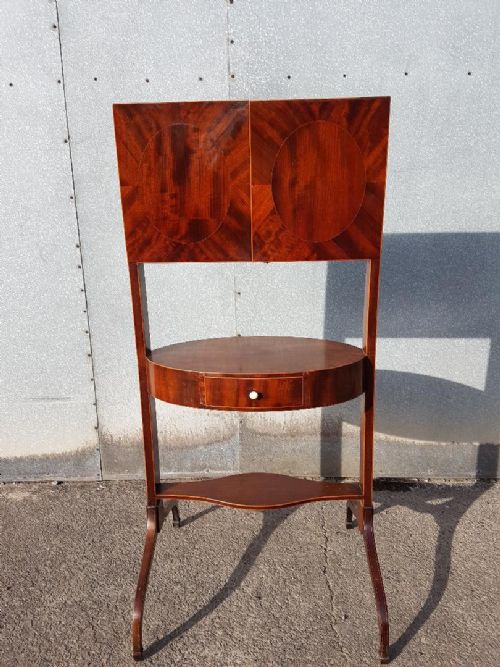


Sheraton Vanity Table
A sheraton vanity table brings neoclassical elegance to a bedroom, offering refined timbers and pivoting mirrors.
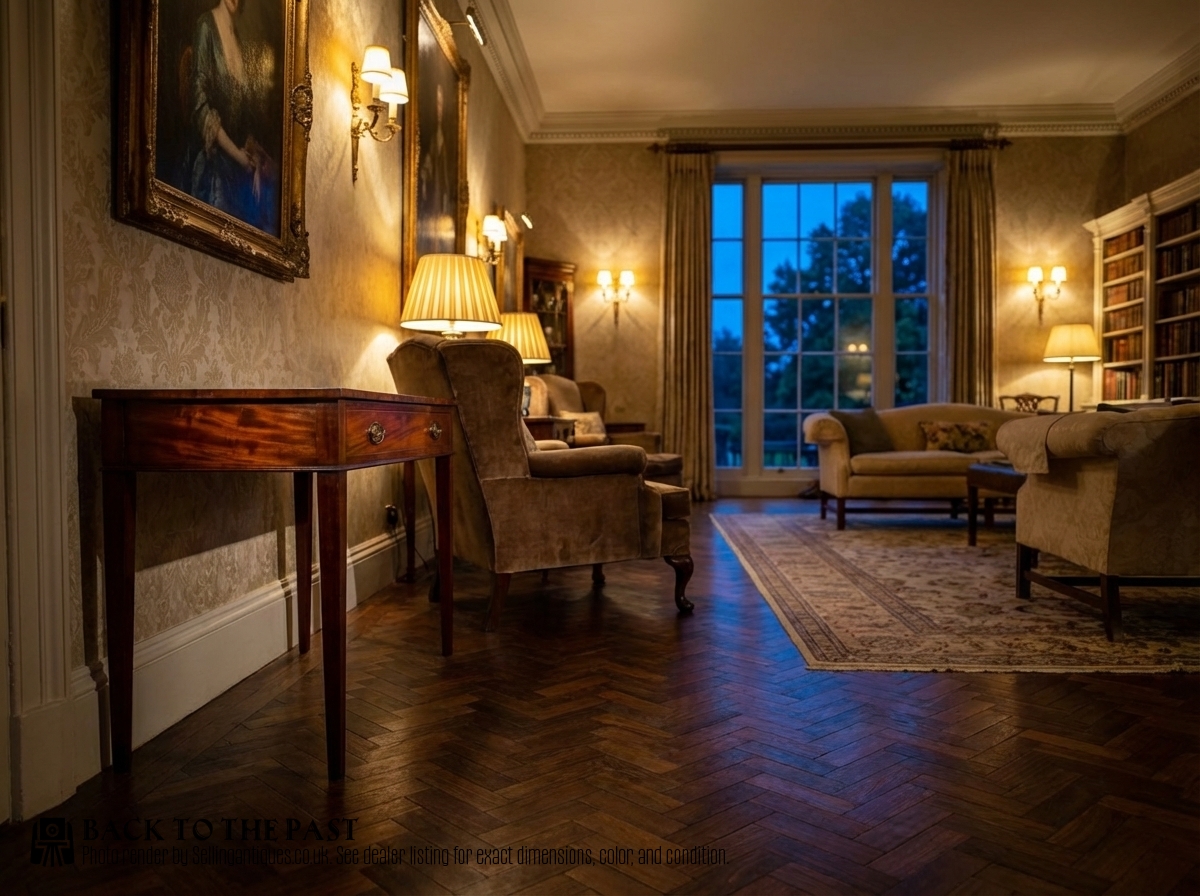
Sheraton Vanity Table
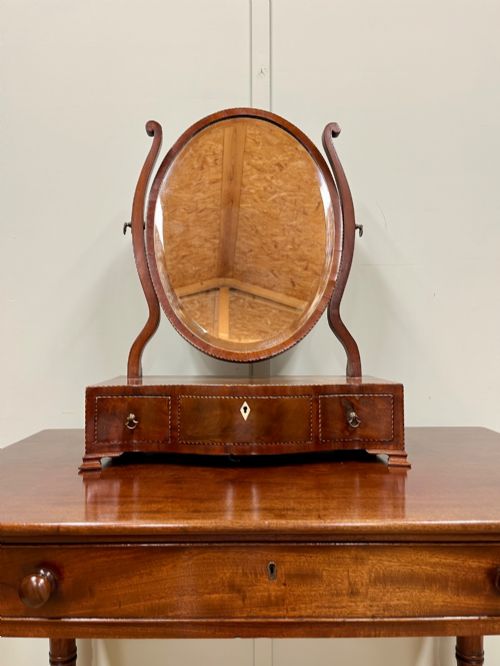
When you search for a sheraton vanity table, you encounter pieces spanning the eighteenth century, the Georgian era, and the Edwardian Sheraton Revival period. These items typically manifest as dressing tables, writing desks with mirrored superstructures, and toilet mirrors designed for personal grooming and correspondence.
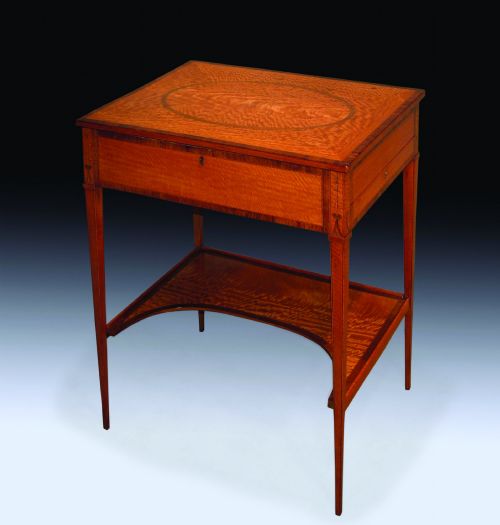
The version you are most likely to meet on this page is the Edwardian satinwood or mahogany dressing table, often featuring delicate inlay and a pivoting mirror. These later revival pieces capture the light proportions of the original Georgian designs while serving domestic needs.
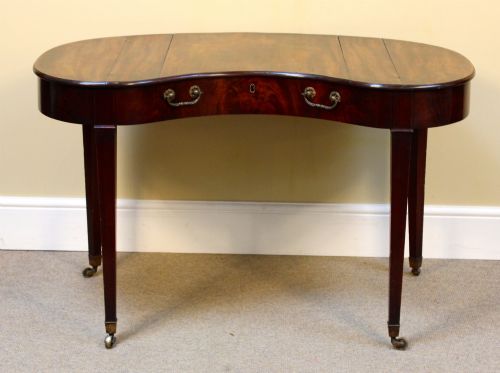
Forms also include kidney-shaped desks, bonheurs du jour, and occasional tables that double as dressing surfaces. The selection ranges from compact table mirrors to larger freestanding dressing tables with inlaid details.
How they were made
Cabinet makers utilised dense hardwoods such as mahogany and rosewood as foundational timber for these pieces, often applying satinwood and harewood veneers. Boxwood stringing and contrasting inlay define the linear geometric decoration characteristic of the style.
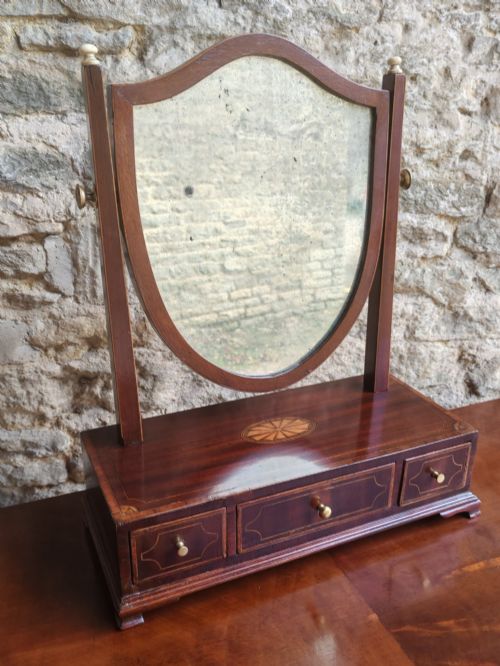
Glass forms the pivotal mirrors, held within shield or oval frames supported by brass hardware. Leather panels inset into writing surfaces provide a functional workspace, while hand-painted motifs appear on Edwardian satinwood examples.
Secret rising compartments hide inside George III worktables, ready to surprise anyone discovering them today.
What varies in quality
The distinction between standard domestic pieces and superior examples lies in the crispness of the cabinet work and the fidelity of the timber selection. Finely figured flame mahogany or choice satinwood veneers demonstrate the maker's intent to display natural grain patterns.
Execution of the marquetry and inlay work dictates the visual success of the piece, with tightly fitted boxwood stringing separating master craftsmanship from simpler production. Original brass fittings and the retention of secondary timbers such as oak or pine within drawer construction further distinguish the grade.
Edwards and Roberts·Gillows
The Sheraton Vanity Table Glossary
- Sheraton Revival
- A late nineteenth and early twentieth century design movement that reinterpreted the light, neoclassical forms of the late eighteenth century. Makers utilised satinwood and delicate inlay to echo earlier aesthetics.
- Bonheur du jour
- A small lady's writing desk featuring a tiered superstructure with compartments, drawers, or a cabinet above the writing surface. This form gained popularity during the Georgian period and returned during the Edwardian era.
- Toilet mirror
- A small tabletop mirror mounted on a pivoting frame, typically set upon a box base containing small drawers. These pieces sat atop dressing chests or dedicated tables.
- Marquetry
- The art of applying pieces of veneer to a structure to form decorative patterns and pictures. Craftsmen used various coloured woods to create floral or geometric motifs.
- Stringing
- A narrow strip of contrasting wood inlaid into the surface of furniture to create a linear border. This technique highlights the edges of drawers, tabletops, and legs.
Sheraton Vanity Table: Frequently Asked Questions
What is a sheraton vanity table?
A sheraton vanity table is a light, neoclassical dressing table or desk featuring straight tapered legs and decorative inlay, originating in the late eighteenth century or during the Edwardian revival.
These pieces often include a pivoting mirror and small drawers for cosmetics and writing materials.
How do I date a sheraton vanity table?
Dating depends on timber species, construction methods, and hardware styles. Eighteenth-century pieces display hand-cut dovetails and genuine period veneers, while Edwardian revivals often utilise machine-sawn secondary woods and softer satinwood finishes.
Secondary timbers inside drawer construction and the style of the brass fittings offer further chronological clues.
Were these tables used for writing?
Many examples function as dual-purpose pieces, combining a dressing surface with writing compartments or a leather-inset desk space. Ladies writing tables and bonheurs du jour frequently accommodated both correspondence and grooming.
Mirrored superstructures often detached or pivoted to clear space for writing.
How do I care for satinwood?
Satinwood requires protection from direct sunlight to prevent the timber from darkening or losing its golden hue. Regular dusting with a dry, soft cloth preserves the polished surface.
Avoid silicone-based polishes and maintain stable room humidity to protect delicate veneer and inlay.