




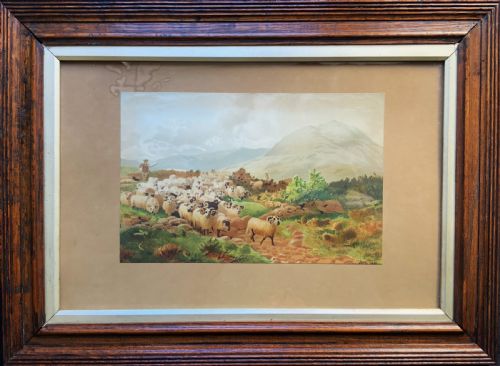


Shepherd Oil Painting
A shepherd oil painting captures pastoral scenes and agrarian life through rich brushwork, offering timeless rural charm for country interiors and traditional art collections.
Shepherd Oil Painting
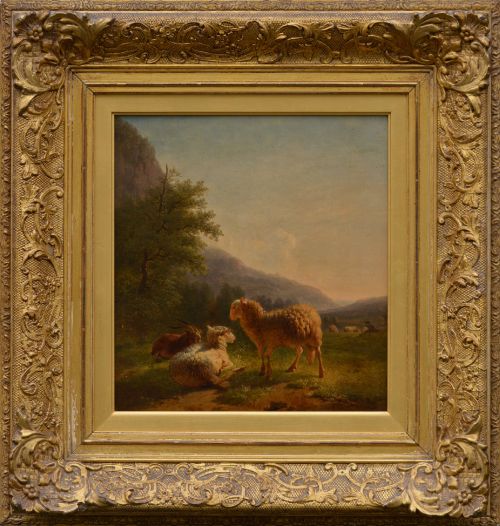
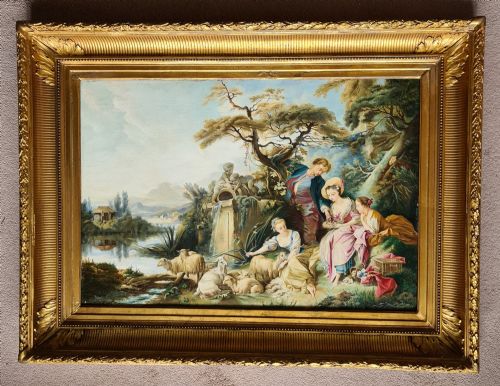
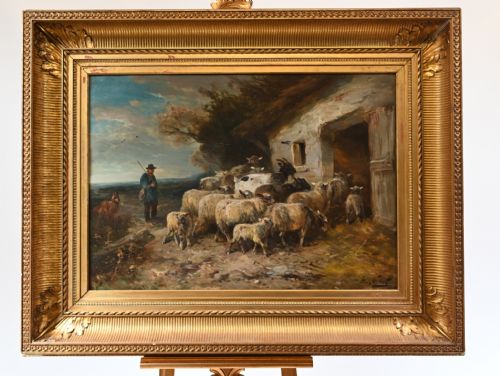
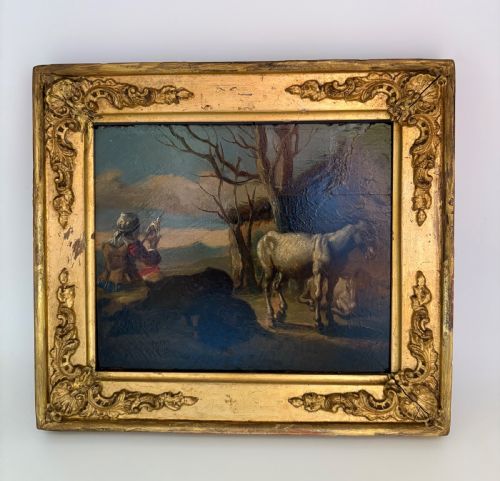
A shepherd oil painting represents rural life, agricultural landscapes and pastoral traditions across several centuries. The selection encompasses nineteenth-century European countryside views, Victorian pastoral scenes and mid-century rural compositions.
Buyers encounter pastoral subjects ranging from resting shepherds with flocks to detailed landscape views featuring sheep, dogs and rustic farmsteads. Works vary from intimate canvas studies to substantial framed gallery pieces.
Origins span British, Belgian, German, Danish and Dutch schools, reflecting diverse regional interpretations of rural life. Pieces frequently pair figurative shepherd studies with expansive woodland, coastal or highland backdrops.
Materials and Techniques
Canvas and wood panel serve as the primary supports for these pastoral works, carrying layers of oil paint applied with traditional brushwork. Artists utilised rich oil pigment to build depth in pastoral skies, foliage and animal fleeces.
Surviving frames incorporate wood, gesso and gilt, often featuring gold leaf or moulded ornamentation. These decorative surrounds range from simple wooden battens to ornate nineteenth-century giltwood frames.
Shepherd Oil Painting Retail Price Guide 2026
Typical asking prices for shepherd oil painting among the pieces listed under this phrase on Sellingantiques today, from the lower quarter to the upper quarter. They describe what is for sale here now, not the wider market.
Periods represented on this page range from the sixteenth century through the Victorian era to the mid-twentieth century.
Evaluating Quality
Quality rests in the handling of light, anatomical precision in figures and animals, and the atmospheric depth of the surrounding landscape. Skilled brushwork distinguishes expressive impressionistic pastorals from rigid academic compositions.
The integrity of the original canvas, stability of the wood panel, and preservation of the paint surface influence the overall character of the piece. Period frames with original gilding contribute historical coherence to the artwork.
Eugène Verboeckhoven·Henry Schouten·David Shepherd·Philipp Peter Roos·Giulio Cecchini·John Trivett Nettleship·Herbert Royle·Scipione Pulzone·George Turner·Owen Bowen·Henry Birtles·William Greaves·Anthonij Anton Mauve·David Cox Senior·James Stark·Heinrich Hiller·Theodor Kotsch·A Hoeck·Alfred George Stannard·Baxter Morgan·Knud Sinding·Fedor Van Kregten·Harald Foss·John Grey·Emile Charles Dameron
The Shepherd Oil Painting Glossary
- Oil on Canvas
- A painting technique where pigment suspended in drying oil is applied to stretched woven fabric. This combination allows for subtle blending and rich texture.
- Giltwood
- Timber carved and coated with gold leaf or gold paint to create a reflective decorative surface. It frequently frames nineteenth-century oil paintings.
- Pastoral Landscape
- An artistic genre depicting rural life, shepherds, and domesticated animals in natural surroundings. These scenes idealise agrarian simplicity.
- Panel Painting
- An artwork created on a flat piece of wood rather than stretched canvas. Oak panels were commonly utilised in earlier European works.
- Gesso
- A paint mixture consisting of a binder mixed with chalk, gypsum, or pigment. It prepares wooden panels and frames before gilding or painting.
Shepherd Oil Painting: Frequently Asked Questions
What periods do these paintings date from?
The listed items span multiple centuries, with particular concentrations in the eighteenth, nineteenth and mid-twentieth periods. Artists worked within traditional academic, romantic, impressionistic and realist movements.
Victorian and Edwardian eras contributed significant numbers of British and European pastoral scenes. Earlier examples include seventeenth-century and eighteenth-century continental compositions.
How were these artworks framed?
Many pieces retain their period frames constructed from wood, gesso and gilt. These surrounds often feature intricate mouldings that complement the pastoral subject matter.
Some works are housed in substantial decorative frames embellished with gold leaf. Others present simpler wooden mouldings appropriate to mid-century or regional pieces.
Where did these pastoral scenes originate?
Originating across Europe, the paintings include contributions from British, Belgian, Dutch, German, Danish and Italian schools. Each regional school brought distinct atmospheric qualities to the depiction of shepherds and flocks.
British examples frequently feature Wharfedale, Lancashire or highland landscapes. Continental works capture heathlands, coastal settings and pastoral valleys.
How do I care for an oil painting on canvas?
Keep paintings away from direct sunlight, high humidity and sudden temperature fluctuations to protect the canvas and oil pigment. Dust the surface gently with a soft, dry brush without applying pressure.
Avoid using water or chemical cleaning agents on the paint layer or gilt frame. Professional conservators should handle any structural repairs or surface cleaning.